Non-Fungible Tokens & Their Impact On The Crypto World
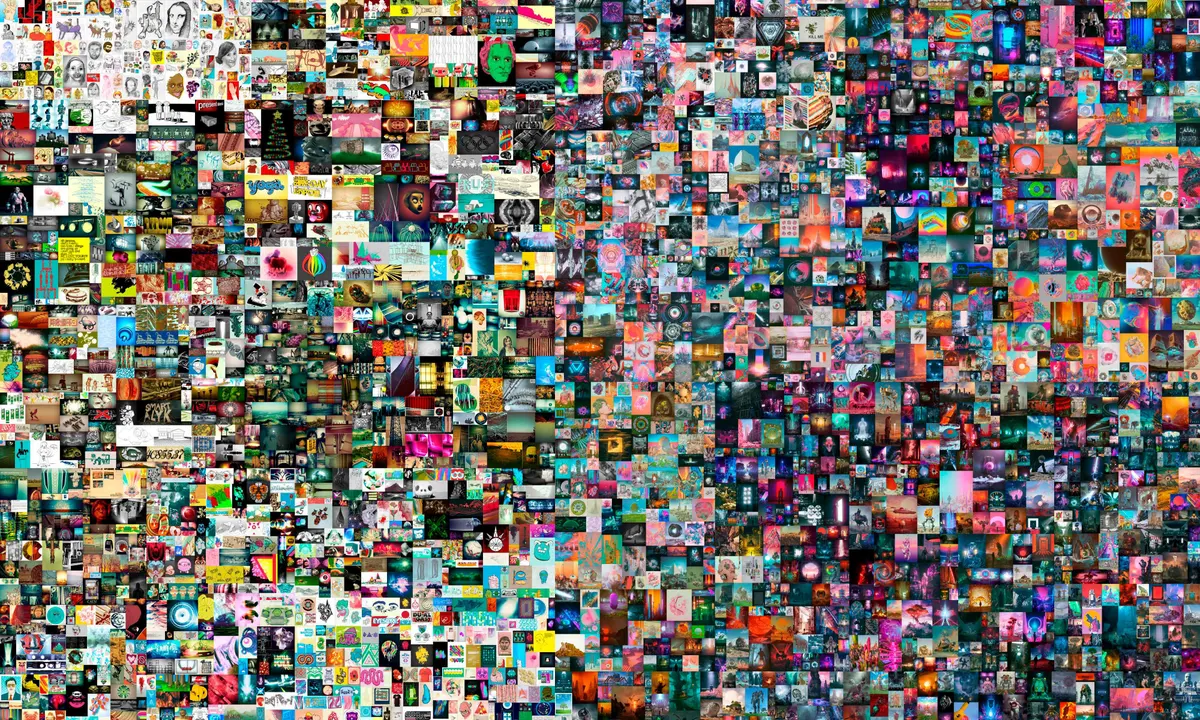
Hello!
You’ve probably already heard of Non-Fungible Tokens (NFTs), which continue to set trends in the crypto world.

In the NFT marketplace, digital assets hold tremendous value. At the same time, numerous physical assets are being converted into NFTs, signaling that the market will keep expanding.
If you’re eager to learn more about non-fungible tokens and how they impact the crypto world, you’ll find all the essential information in this article.
What Are NFTs?

Because blockchain technology underpins NFTs, they are decentralized: stored data is encrypted and cannot be traced back to the owner.
Assets are turned into NFTs and made publicly available through NFT marketplaces. These tokenized assets can represent virtually anything—art, design, music, photography, and beyond.
The majority of NFTs reside on the Ethereum blockchain. Like Bitcoin or Dogecoin, Ethereum-based NFTs store additional information that distinguishes them from standard ETH coins.
NFT Marketplace
Users on NFT marketplaces can sell, buy, and stake non-fungible tokens, while sellers retain control over edition size and pricing.

- Token standard
- Blockchain technology
- Frontend UI
- Reliable and stable backend
- Extended supports
Only ERC-721 and ERC-1155 token standards support NFTs, ensuring their inseparable characteristics. Building an NFT platform is a complex task, so partnering with the right development team is essential.
NFT vs Cryptocurrency
Both NFTs and cryptocurrency are built with similar programming, yet that is where the similarities end. Like physical money, cryptocurrencies are fungible and can be traded or exchanged for one another.

Non-fungible tokens, as their name implies, work differently. Each carries a unique digital signature, making equal-value exchanges impossible. One NFT is never identical to another simply because both are NFTs.
How NFTs Work
Non-fungible tokens exist on a blockchain—a distributed public ledger that records transactions. While most NFTs are hosted on Ethereum, other blockchains also support them.

Even tweets can become NFTs. Twitter co-founder Jack Dorsey sold his first tweet as a non-fungible token for nearly $3 million.
Think of NFTs as digital collector’s items. Instead of hanging a physical oil painting on your wall, you can own the digital file. NFTs confer exclusive ownership rights, with only one owner at any given time. Their unique data makes ownership verification and transfers straightforward.
Buying NFTs

Depending on the currencies accepted by your chosen NFT provider, you will likely need Ether or another supported cryptocurrency. You can purchase crypto with a credit card on platforms such as Coinbase, Kraken, eToro, Robinhood, and PayPal.
After purchase, transfer the crypto from the exchange to your wallet. Most exchanges charge transaction fees, so compare costs during your research. The majority deduct a percentage of each crypto purchase.
Also read:
- Laylo’s Latest Update: Fan Profiles Get Smarter, Bringing Artists Closer to Their Audience
- What is The Best Way to Get Your iPhone Repaired After They’re Broken?
- The QUASA NFT App generates interactive NFTs from various blockchains.
The Bottom Line
Blockchain technology is reshaping both personal and professional landscapes. As more users invest in non-fungible tokens, expect to hear even more about them in the years ahead. If you’re considering your first NFT purchase, conduct thorough research to ensure a confident and satisfying start.
Thank you!
Join us on social media!
See you!
Subscribe to our newsletter
Get the latest Web3, AI, and crypto news delivered straight to your inbox.