
Thingiverse: World's Largest Free 3D Model Library – Overview.
#Thingiverse #Web3 #Crypto
Thingiverse (featured on Quasa.io/projects/thingiverse) is the world's largest and most iconic 3D printing community platform that's still thriving.
This open, user-driven hub from Thingiverse.com (owned by MakerBot/UltiMaker) hosts millions of free, downloadable 3D models, designs, and printable files — empowering hobbyists, educators, makers, engineers, and small businesses to discover, remix, print, and share creations instantly, while remaining the go-to reference point for accessible, community-powered 3D content.
At its core, Thingiverse functions as a massive collaborative library and social network for 3D printing enthusiasts. It manages the full discovery-to-print workflow: from browsing/searching millions of models (categorized by tags, collections, uses, licenses) to downloading STL/OBJ files, viewing detailed instructions, remixing existing designs (forking and modifying), uploading your own creations with photos/descriptions/licenses, and engaging via likes, makes, comments, and collections.
Key features include advanced search/filters (by license, file type, printer compatibility, popularity), Collections & Makes galleries (real-world prints with photos), remixing tools (edit others' models in-browser or with external software), license options (Creative Commons, public domain, custom), print statistics tracking, user profiles with follower/following, forums/discussions (though activity has shifted to Discord/Reddit), and mobile app access. It ensures open sharing with clear licensing (most files CC-BY or similar) and supports diverse categories (toys, tools, household, cosplay, functional parts, educational models, art, jewelry, robotics).
It's perfect for 3D printing hobbyists, educators, cosplayers, makerspaces, small manufacturers, and STEM teachers — handling inspiration discovery, quick prototyping, custom parts, classroom projects, replacement parts, and community collaboration autonomously.
Key strengths lie in its scale and accessibility: Completely free (no paywalls for downloads), vast library (over 2.5M+ models), strong remix culture (thousands of derivatives), and evergreen utility for real-world printing needs. In 2026, while newer platforms add AI generation or premium features, Thingiverse remains unmatched for sheer volume of human-created, battle-tested designs, community trust, and zero-cost entry.
Users rave about its impact: "Found the perfect custom phone stand remix in seconds—printed and working same day!" (Maker, USA), "As a teacher, Thingiverse is my go-to for free educational models—students love seeing real prints" (STEM Educator, EU), and "Replaced a broken appliance part with a downloaded file—saved me buying a new one" (Home User, AU). It's especially strong for cost-free prototyping, learning 3D design through remixing, and building a global maker community without subscriptions or ads interrupting the experience.
Downsides: Interface feels dated compared to newer platforms (search can be slow/cluttered); many older models lack high-res previews or updated printer profiles; community activity has migrated to Discord/Reddit; no built-in AI generation or advanced editing tools; occasional low-quality or abandoned uploads; and licensing can vary (always check before commercial use). Resources like collections, forums, and MakerBot tutorials are solid, but more modern curation and beginner onboarding would help. Overall, for anyone involved in 3D printing, Thingiverse remains an irreplaceable free cornerstone—vast, reliable, and endlessly useful.
A timeless powerhouse for open-source 3D creativity — earn 1 QUA reward via Quasa too!
4.7/5 stars (excellent for library size, cost-free access, and remix culture; minor deduction for dated UI and lack of modern features).
Get started: https://quasa.io/projects/thingiverse
In case you missed it

Get Tasks Out of Your Head | Quasa Video Review

Instadapp Review – Fluid Lending & DEX Explained | Quasa.io

Honest Plutus Review: Subscription, Caps & Token Risk

NerdWallet Review: Compare Cards, Loans & Insurance
DeepL Review: Translation That Still Sounds Human

Wise Review – Multi-Currency Money Without Borders

Otter ai Review: AI Meeting Notes That Keep Up Live

Livepeer Review: Open Video & AI GPU Network

Ocean Protocol Review: Tokenized AI & Private Data

Akash – Supercloud Marketplace for AI Compute

Cielo Finance – On-Chain Alerts, PnL & Trade

Magnific Review – Creative Upscaling Plus a Full AI Suite

Bubblemaps Review: Visual On-Chain Intelligence

Heptabase – Whiteboards, Cards & AI Research

Glassnode Review: Institutional On-Chain Market Intelligence

Luma AI Review: Dream Machine & Cinematic Video Generation

Tiller Review: Your Finances, Automatically in a Spreadsheet

Why Moneybox Works for Building Wealth Automatically

Stash Review: Investing, Banking & Guidance in One App

Acorns Review: Micro-Investing Made Simple with Round-Ups

PocketSmith Review: Powerful Cash Flow Forecasting & Budgeting

Empower Review: Driver-First Rideshare with Zero Commission

Cryptohopper Review: Automated Crypto Trading Bots & Marketplace

Koinly Review: Best Crypto Tax Software for Multi-Chain Portfolios

DeBank Review : The Ultimate Multi-Chain DeFi Portfolio Tracker

Token Metrics Review – AI Grades, Moonshots & Trade Signals | Quasa

Zerion Review – Track, Trade & Manage Everything Onchain | Quasa

Portify Review 2026 – Build a Stunning Portfolio in 10 Minutes | Quasa

Grid Review on Quasa: One App for All Things Money

Fina Money Review on Quasa: The Most Flexible Finance Tracker

Origin Review on Quasa: All-in-One AI Financial Platform

Barebone AI Review on Quasa: Wall Street Research for Everyone

Copilot Money Review on Quasa: Beautifully Designed Finance App

Monarch Review on Quasa: Best Modern Budgeting & Money App

Typeface Review on Quasa: Enterprise AI for On-Brand Marketing

QuickNode Review on Quasa: Multi-Chain Blockchain Infrastructure

Sift Review on Quasa: AI Fraud Prevention That Protects Revenue

Tavus Review on Quasa: Real-Time Face-to-Face AI Agents

Writer Review on Quasa: Enterprise AI Agents for Marketing

Snyk Review on Quasa: AI-Native Developer Security Platform

Inworld AI Review on Quasa: Realtime Voice & AI Characters

Photoroom Review on Quasa: Best AI Product Photo Editor

Chainalysis Review on Quasa: Blockchain Intelligence Platform

SOUNDRAW Review on Quasa: Safest AI Music Generator

Vue ai Review on Quasa: AI Retail Personalization Platform

LALAL AI Review on Quasa: Best AI Vocal Remover & Stem Splitter

Murf AI Review on Quasa: Best AI Voice Generator & Studio

SeekOut Review on Quasa: Agentic AI Recruiting Platform

Kore.ai Review on Quasa: Enterprise Agentic AI Platform

Sentry Review on Quasa: Error Tracking & AI Debugging

Brex Review: AI-Powered Corporate Finance | Quasa Spotlight

ChainGPT Review on Quasa: AI Tools Built for Web3

Fetch.ai on Quasa.io — Full Review of Autonomous Agent Platform

Alethia AI Review + Quasa Overview

Braintrust Review on Quasa: AI Observability & Evals Platform

Kryll io Review on Quasa: Web3 AI Intelligence Platform

Cortex Review on Quasa: EngOps for the AI Software Factory

Rejuve AI Review on Quasa: Decentralized Longevity AI

Arkham Review on Quasa: Deanonymize the Blockchain

Nansen Review on Quasa: Smart Money On-Chain Analytics

Quasa Review: Fin — Autonomous Customer Experience AI

Elliptic: Screen, Monitor & Investigate Crypto Risk | Quasa Review

Wiz Review + How to Earn QUA on Quasa

Rippling Review on Quasa: All-in-One HR, IT & Finance Platform

Notion AI Review on Quasa: The Ultimate AI Workspace

Deel Review + How to Earn QUA on Quasa

Klaviyo Review on Quasa: AI-Powered B2C CRM & Marketing

Abnormal AI Review on Quasa: Behavioral Email Security

CoinTracker Review + How to Earn QUA on Quasa

Unit21 Review on Quasa: AI Risk Infrastructure for Fraud & AML

NEAR Protocol Review 2026 + How to Earn QUA on Quasa

Avalanche: Build Your Own Blockchain | Quasa Review

Hedera Review on Quasa: Enterprise Hashgraph Ledger

Numerai Review on Quasa: The Crowdsourced AI Hedge Fund

Zero Hash Review on Quasa: Crypto & Stablecoin Infrastructure

Ramp Review on Quasa: All-in-One Finance Automation

Moralis Review on Quasa: Complete Crypto Data Infrastructure

Dune Review + How to Earn QUA on Quasa

Ritual Review on Quasa: The Sovereign AI Execution Layer

Parcl Review on Quasa: Trade Real Estate Without Owning Property

Allora Labs Review + How to Earn QUA on Quasa

Bridge Review on Quasa: Stablecoin Infrastructure for Global Payments

Bittensor Review + How to Earn QUA on Quasa

Aave Review on Quasa: The Largest DeFi Lending Protocol

Venice AI Review on Quasa: Private & Uncensored AI Platform

CertiK Review on Quasa: The Largest Web3 Security Platform

Cookie3 Review + How to Earn QUA on Quasa

MyShell AI Review on Quasa: Build & Own AI Agents No-Code

Spectral Labs Review on Quasa: AI for Physical Engineering Design

Quasa Review: Oraichain Labs — Bridging AI and Blockchain

Chainlink Labs Review + How to Earn QUA on Quasa

Alloy Review on Quasa: AI Identity & Fraud Prevention Platform

Messari Review on Quasa: Crypto Market Intelligence Platform

Plaid Review + How to Earn QUA on Quasa

AlphaSense Review on Quasa: AI Market Intelligence Platform

Brex AI Review + How to Earn QUA on Quasa

Embat Review on Quasa: AI Treasury Management Platform

Taktile Review on Quasa: AI Decision Platform for Finance

TaxBit Review on Quasa: AI Compliance for Digital Assetsompliance
Sybill Review on Quasa: AI Sales Assistant That Learns to Win

Vanta Review: AI Agent for Security & Compliance | Quasa

Navan Review on Quasa: AI Business Travel & Expense Platform

Fiscal.ai Review + How to Earn QUA on Quasa

Mercury Review on Quasa: Best Banking for Startups

Datarails on Quasa.io — Full AI Finance Platform Review

Vic.ai Review + How to Earn QUA on Quasa

Composer AI Review | Quasa Project Spotlight — Trade with AI

Cleo: AI That Makes Money Better | Quasa Review

Digits Review: Real-Time Financials & AI Agents | Quasa

Fireflies.ai Review + How to Earn QUA on Quasa

StackOne Review + How to Earn QUA on Quasa

Questflow Review + How to Earn QUA on Quasa

DeepJudge Review on Quasa: AI Search for Law Firms

Elicit Review on Quasa: AI for Scientific Research

Plaud AI Review on Quasa: Best AI Note-Taking Device

Bland AI Review on Quasa: Enterprise Voice AI Agents

Ethereum Review on Quasa: The King of Smart Contracts

Fractile Review on Quasa: Next-Gen AI Inference Chips

Subquadratic Review on Quasa: The First Sub-Quadratic LLM

Familiar Machines & Magic Review — Earn QUA by Reviewing on Quasa

Swan AI Review on Quasa: AI GTM Engineer Explained

Cline Review: Plan, Act & Code with Full Control

Together AI Review: Full-Stack Platform for Open Models

PrismML Review: The Future of On-Device Large Language Models

Wispr Flow Review 2026: AI Voice Dictation That Actually Works

Modal Review: Run AI Workloads Without Managing Servers

Infisical Review — Secrets Management Built for Developers & AI

Lightricks Review: AI Creativity Tools for Everyone

LTX Review: Open Foundation Models for Real Video Production

Pit AI Review: From Spreadsheets to Fully Automated Operations

Peec AI Review: From AI Visibility Data to Real Customer Growth

ZML Review: Peak Performance on Any Chip (NVIDIA, AMD, TPU & More)

Prime Intellect: Train Frontier AI Without Big Tech (Full Breakdown)

iPhone 17 Pro: Aluminum Unibody, Vapor Chamber & Triple 48MP Cameras – The Full Breakdown!

Bhojpuri Video Gana: How It Makes Billions of Views & Hundreds of Millions

Luel AI Review: Get Paid to Train AI with Your Everyday Recordings

Manago AI Review: Agentic AI for Smarter Customer Engagement

Kled AI: Earn Rewards by Sharing Your Data Ethically

Flair AI Review: AI Product Photography That Looks Studio-Quality

SlidesAI Review: Turn Text into Stunning Presentations Instantly

Owkin: Pioneering Biological Artificial Superintelligence for the Future of Medicine

Bending Spoons: The Italian Tech Powerhouse Redefining Digital Ownership

Glean Review: Exploring Glean's AI Platform

Harmonic Review: The Complete Startup Discovery Engine

SEO Vendor Review: AI SEO Tools + Professional Services

DoMore Review: Your Personalized AI Tools Catalog

The Final Reckoning: The Card House Is Collapsing

Compose AI Review: Smart Autocomplete for Everyday Writing

Guidde Review: AI Video Documentation Made Magical

DataRobot Review: Unified Agent Workforce Platform for Enterprise

8090 Review: AI-Native Software Factory for Regulated Enterprises

Rocket Lab Review: End-to-End Space Company Driving Innovation

AIPRM Review: The Ultimate Prompt Library & Manager for ChatGPT & AI

95% of “Blockchains” Are Not Blockchains – They’re Centralized Databases in Disguise

Corgi Insurance Review: Instant Quotes & Startup-Focused Coverage

Papermark Review: Modern Secure Data Rooms for Dealmakers

The Crypto Gold Rush Is Over: 2025–2026 Became the Biggest Graveyard in Financial History

General Intuition Review: Building World Models from Gameplay Data

The Great Crypto Reckoning: Why 96% of Projects Will Die by 2027

Monday Review: The AI Work Platform for People & Agents

Maestro Labs Review: AI Assistants for Email & Meetings

Friday AI Email Review: Reclaim Your Inbox and Save Hours

The Death of Traditional Freelancing in 2026: AI + Web3 Report

The Final Bloodbath: Insiders Dumping & Dead Cat Bounce

Superhuman Review: The Ultimate AI Productivity Suite for Professionals

Bricks AI Review: Sales Enablement for On-Brand Personalized Documents

Synthflow AI Review: Enterprise Voice Agents for Phone Automation

Spinach AI 2026 Review: The Intelligent Meeting Assistant for Productive Teams

90% of Crypto Projects Have Billion-Dollar Market Caps but Almost Zero Traffic and Revenue

Nebius Review: The Ultimate AI-Native Cloud for Builders.

Maven AGI Review: Enterprise AI Agents for Superior Customer Experience.

Sudowrite 2026 Review: The Best AI Writing Partner for Fiction Authors

Tenable 2026 Review: Leading AI-Powered Exposure Management Platform

10 CEX That Killed More Projects Than All Hackers Combined

AssemblyAI Review: The Leading Voice AI Infrastructure Platform

Black Crow AI 2026 Review: Predictive AI for Full-Funnel Ecommerce Growth

The Crypto Market Is Dead: 6,000 Out of 8,000 Projects Are Scams

Vibiz Review: No-Code AI That Builds & Launches Your Business

Bloomreach Review: Loomi AI Powers Next-Level Personalized Commerce

Lavender Review: The AI Email Coach That Doubles Reply Rates

The Disgusting Six: Crypto’s Most Damaging Players vs One Honest Project

CodeSignal Review: The AI-Native Skills Platform for Modern Hiring

Anyword: The Performance-Driven AI Content Platform for Marketers

Gong Review: The Revenue AI OS Driving Predictable Growth

Persado Review: AI for Compliant, High-Performing Marketing Content

HubSpot Review: The All-in-One AI Customer Platform

Jimdo 2026 Review: Easy AI Website Builder for Solopreneurs & Small Business

CoLoop Review: The AI Copilot for Qualitative Research & Insights

Ideanote Review: The AI-Native Platform for Innovation Management

Visla Review: The All-in-One AI Video Platform for Business Teams

The Great Exit Has Begun: Insiders, VCs, Governments & Even Saylor’s Company Are Dumping Bitcoin.

CrewAI Review: The Leading Platform for Multi-Agent AI Systems

Wand AI Review: The Operating System for Hybrid Human-AI Workforces

Tonkean Review: The Leading Agentic Orchestration Platform for Enterprises

Chroma Review: The Best Open-Source Vector Database for AI Search

Dreamina AI 2026 Review: ByteDance’s All-in-One AI Image & Video Generator

LangChain Review: The Ultimate Framework for Building AI Agents

Langfuse Review: The Best Open-Source LLM Observability Platform

Gradio: The Easiest Way to Build & Share AI Web Apps

VEED Review: The Best All-in-One AI Video Editor for Creators

Snowflake AI Data Cloud Review: The Foundation for Enterprise AI

Durable AI Review: Build Your Entire Business Website in 30 Seconds

Quilty Review: AI Script Coverage That Actually Helps Writers & Producers

Pictory AI Review: The Best Text-to-Video Tool for Creators & Marketers

Thinking Machines Lab: The Future of Human-AI Collaboration

Hugging Face Review: Open Models, Datasets & AI Apps
QuillBot: The Best AI Paraphrasing & Writing Tool

Fotor: AI Photo Editor & Image Generator.

The State of the Cryptocurrency Industry in 2026: An Industry Built on Illusion

Presentations AI 2026: AI Decks That Actually Drive Results

Beautiful AI: AI That Creates Beautiful Presentations

XGRIDS Review: Handheld LiDAR & Photorealistic Digital Twins

Arize AI: Observability & Evaluation for AI Agents

Formula Bot Review: Turn Questions into Charts & Insights Instantly

Quasa Connect: The World’s First Web3 Freelance App

Rows Review: The Modern AI Spreadsheet Platform

Tettra Review: The Best Internal Knowledge Base for Slack Teams

Taskade: The Beautiful AI-Powered Workspace

Gigasheet: Big Data Analysis in a Spreadsheet

Fathom AI: Bot-Free Transcription & Smart Summaries

Calendly Review: Professional Scheduling Automation

Haiper AI Review: Cinematic Videos from Text Prompts

Tabnine Review: Private & Powerful AI for Developers

Integrately Review: One-Click Automations That Actually Work

Wrike Review: The Enterprise Work Platform for Humans + AI

Creator Camp: The A24 for Internet Creators

Avoma Review: AI Meeting Assistant + Conversation Intelligence

Prometheus: Jeff Bezos’ AI for the Physical World

Design: AI Design Platform for Logos, Brands & Websites

Framer: The Most Powerful No-Code Website Builder.

Julius AI: Your AI Data Analyst That Understands Spreadsheets.

Visme Review: Create Stunning Infographics & Presentations

Canva Review: Design Anything Beautiful in Minutes

Motion Review: AI That Plans Your Day and Manages Your Work

Physical Intelligence (π): General-Purpose AI for Robots

Figma Review: Where Design Teams Build Real Products

Levity Review: Reliable AI That Handles Your Freight Emails

Krisp: Best AI Noise Cancellation & Meeting Assistant.

CustomGPT Review: Your Own Private GPT Trained on Your Data.

Text Blaze Review: The Best Text Expander & Automation Tool.

Expertise AI Review: The Smartest AI for Website Conversions
Chatbase Review: The Easiest Way to Create Custom AI Agents

Zapier Review: The Best No-Code Automation Platform

Personal AI: Your Private Second Brain and AI Twin

ChatPDF Review: The Easiest Way to Understand Documents

Otter AI Review: Real-Time Transcription & Smart Meeting Intelligence

SingularityNET: The Decentralized AI Marketplace Powering Beneficial AGI

Whop Review: Own Your Audience and Monetize Your Ideas

Jenni AI Review: Write Papers with Traceable Citations & AI Power

Paragraph Review: Own Your Audience and Ideas.

SciSpace Review: Chat with 280M Papers & Write with Citations

Lately AI Review: The Smartest AI Content Repurposing Platform

Grammarly Review: Write Better, Faster, and More Professionally

AdCreative AI Review: Generate Winning Ads, Videos & Photoshoots in Seconds

Notion Review: The Ultimate All-in-One AI Workspace

Writesonic Review: Dominate Google + AI Search with One Platform

Glif Review: The Creative Agent Platform That Builds Full Campaigns
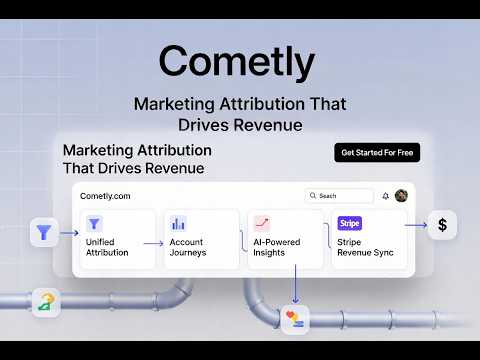
Cometly Review: The Best Marketing Attribution Platform for B2B

Arvow Review: AI That Writes, Optimizes, Publishes & Ranks for You

Rocket Review: Think. Build. Track. All in One AI System

CodeRabbit Review: AI That Makes Code Reviews Actually Enjoyable

Kilo Review: 500+ Models, Full Control, Zero Lock-In

Kin AI Review: The Privacy-First Personal AI Companion

Freebeat AI Review: The Best AI Music Video Generator with Real Beat Sync

Notis Review: Voice-First AI Assistant That Actually Gets Work Done

Black Forest Labs: FLUX 2 – The King of AI Image Generation

Elastic Review: Elasticsearch as the Ultimate Vector Database for AI

Liquid AI Review: The Future of Edge-Native AI Beyond Transformers

Komos AI Review: Turn Screen Recordings Into Compliant Workflows

Tonic Review: Safe, Realistic Test Data for Developers & AI Teams

Floot Review: Turn Ideas Into Working Websites & Apps in Minutes.

Micro1: Turning Human Brilliance into Scalable AI Training Data

Odyssey: Pioneering General-Purpose World Models Beyond Language AI

Bexorg Review: The AI + Whole-Human Brain Platform Revolutionizing Drug Discovery

Pangram: The Most Accurate AI Content Detector Trusted by Universities & Enterprises

Hightouch: The Composable CDP & Agentic Marketing Platform Enterprises Trust

Overlap AI Review: Turn Long Videos into Scalable Social Clips Automatically

Clouted Review: Turn Raw Footage into Millions of Views with Creator Networks

Ponder AI: Turn Raw Footage into Pro Rough Cuts with One Prompt

Enhanced: Science-Driven Performance & The Future of Human Competition

Joi AI Review: The Boldest & Most Entertaining AI Character Chat Platform

PapersWithCode Review: Trending AI Papers with Working Code.

Poolside Review: The Secure AI Platform Built for Real Enterprise Development

Viggle Review: The Best AI Character Animation & Motion Transfer Tool

Genesis AI Review: The Full-Stack Robotics Company Closing the Sim-to-Real Gap

BACH Review: Professional Multi-Shot AI Video for Real Filmmakers

AllenAI Review: The Non-Profit Powerhouse Building Open Superintelligence

Zyphra Review: The Efficient MoE Models Trained on AMD That Punch Above Their Weight

Klap Review: The AI Video Repurposing Tool Every Creator Needs

PlayCanvas Review: Build & Ship Browser 3D Experiences in Minutes

Humwork Review: When AI Agents Get Stuck, Humans Step In

Hyper3D Rodin Review: The Fastest Controllable 3D AI Generator

Magic Patterns Review: The AI Prototype Generator Product Teams Love

Linear Review: The AI-Era Issue Tracker That Teams Actually Love

PostHog Review: Product Analytics + Session Replay + Feature Flags in One Platform

Wispr Flow Review: The AI Voice Dictation That Actually Works Everywhere

Granola Review: Bot-Free AI Notes for Back-to-Back Meetings

Intercom: Where AI Agents and Human Teams Work Together Perfectly

Supabase: The Open-Source Firebase Alternative You’ll Actually Love

Gumloop Review: Build Production AI Agents Without Writing Code

Ineffable.ai Review: David Silver’s Bold Path to AGI Without Human Data

Andon Labs Review: The Real-World AI Takeover Experiment

Vault Review: Generate Full Songs & Stems with AI

Submagic Review: The Best AI Tool for Scroll-Stopping Captions.

TopView Review: The Best AI Video Maker for Marketers & E-commerce

InVideo AI Review: The Best AI Video Generator for Creators

DeviantArt Review: The World’s Largest Online Art Community

Conductor Review: Build Reliable Multi-Agent Workflows

Juicebox Review: Turn Ideas into Action with Intelligent AI

Mirage Review: From Text to Cinematic Videos in Minutes

Quasa Rewards Review: Get Rewarded for Discovering Great Tools

The Influencer Marketing Factory Review: Smart Discovery & Campaign Management

Beacons AI Review: Build Beautiful Creator Websites with AI.

Phota Labs Review: Ultra-Realistic Upscaling & Photo Restoration

Vercel Review: Instant Deployments & Global Edge Performance

Unsloth Review: The Fastest Way to Fine-Tune Open-Source Models

Vibecode Review: The Best AI App Builder for Everyone

Okara Review: The All-in-One AI Marketing Team for Founders

D-ID Review: The Leader in Digital Humans and Conversational Video

Ollama Review: The Best Open-Source Local AI Platform

Code Maestro Review: Project-Aware AI for Unity & Playable Ads

Percepta Review: The Serious Partner for Enterprise AI Adoption

Moonlake AI Review: The Future of AI-Powered World Modeling.

Quiver AI Review: Production-Ready Vectors from Text and Images

Flora Review: Node-Based Creative Environment with 50+ AI Models

Replicate Review: The Easiest Way to Deploy and Scale ML Models

Entire Review: Never Lose the Story Behind Your AI-Generated Code

LM Studio Review: The Best Desktop App for Local AI

LM Arena: The Most Trusted AI Model Battle Platform.

Bye Bye Paywall: Instantly Unlock Any Article Without Paying.

Gladia: The Most Accurate AI Audio Intelligence Platform.

Meshy AI: Text-to-3D & Image-to-3D at Lightning Speed.

Lemme: AI Live Video That Feels Completely Real.

Spikes Studio: AI That Turns Long Videos into Viral Clips Instantly.

Revid AI: The All-in-One AI Video Generator for Viral Shorts.

Topaz Labs: The Best AI Image & Video Enhancement Software.

Deepgram: The Most Accurate Real-Time Speech-to-Text Platform.

Retell AI: The Most Human-Like Voice AI Platform.

Groq: The Fastest AI Inference Platform on Earth.

OpenRouter: One API for Every AI Model — Smart Routing Done Right.

Spaitial AI: The Platform for Intelligent 3D Spatial Experiences.

Scribe: AI That Turns Any Process into Instant Step-by-Step Guides.

Kinetix: 3D-Conditioned AI Video with Real Motion Intelligence.

OpenAGI Lux: The Leading Computer-Use AI Model for Autonomous Agents.

Phygital+: The All-in-One AI Creative Workspace & Design Pipeline.

Character AI: The Ultimate Platform for Talking with AI Characters.

Limelight HQ: The All-in-One Creator Economy Operating System.

Chronicle: The AI-Powered Living Knowledge Platform for Teams.

Manus AI: Hands On AI That Turns Thoughts into Real Actions.

Brilliant Labs Halo: Open-Source AI Glasses for Curious Minds.

Palo: Personal AI for Pro Short-Form Creators.

Skild AI: The Omni-Bodied Brain Powering the Future of Physical AI.

AnswerThePublic: Visual Keyword Research & Content Ideas Tool by Neil Patel.

Hyper Island: The Creative Business School That Prepares You for the Unknown.

Planet Labs: Daily Global Satellite Imagery & Earth Intelligence Leader.

AppSumo: The Best Lifetime Deals Marketplace for Smart Entrepreneurs.

Lore: The AI-Powered Home for Deep Fandom & Obsessive Lore.

TrustMRR: The Verified Startup Revenue Database & Marketplace.

Salad: The Distributed GPU Cloud Saving Up to 90% on AI Compute.

1X Neo: The Gentle Home Humanoid Robot That Actually Helps.

Volinga: Professional 3D Gaussian Splatting for Virtual Production & VFX.

Delphi: Create Your Digital Mind and Scale Your Expertise 24/7.

Rumble: The Free-Speech Video Platform Challenging YouTube.

Plotset: The AI-Powered Platform That Turns Data into Beautiful Stories.

Phot AI: The AI Creative Engine That Turns Products into Winning Ads & Listings.

Supergrow: The AI-Powered LinkedIn Content Platform That Captures Your Real Voice.

Alma: AI-Powered Immigration Platform for Top Talent & Growing Companies.

Serval: The AI-Native ITSM Platform with Autonomous Agent Workforce.

Cognition: The Company Behind Devin — The World’s First AI Software Engineer.

Crosby: The Agentic AI Law Firm That Reviews Contracts in Under 1 Hour.

Emergent: The World’s First Agentic Vibe-Coding Platform.

Imagine Art: The Complete AI Creative Suite for Images, Video & Voice.

🚨CRYPTO SECURITY IS DEAD.

Oboe: The World’s First AI-Powered Personalized Learning Platform.

Arcads AI: Create Winning Video Ads with 1,000+ Realistic AI Actors.

Vylit: The AI-Powered 18+ Creator Platform Built for Real Connections.

Pocket Watch: The Largest Kids & Family Creator Media Company.

Recraft AI: The Ultimate AI Design Platform for Professional Vectors & Visuals.

Jasper: The AI Agent Workspace for Modern Marketing Teams.

Copy AI: The World’s First GTM AI Platform Review.

Reve Image: Reimagine Reality with AI-Powered Image Creation & Editing.

Mozart AI: The AI-Powered DAW That 10x Your Music Creation.

World Labs: The Leader in Spatial Intelligence & Large World Models.

Inception Point AI: The AI Company Building Thousands of Podcast Personalities.

Stability AI: The Leading Open Generative AI Platform.

Sakana AI: Nature-Inspired AI That’s Changing Everything.

K2 Think: The Most Efficient High-Performance AI Reasoning Model.
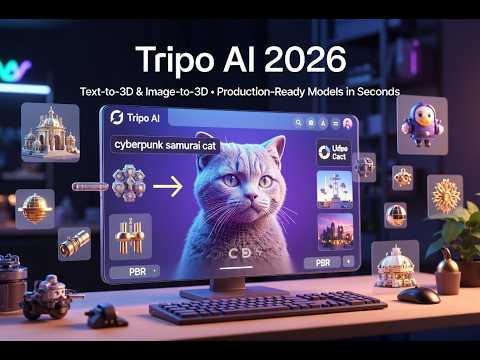
Tripo AI: The Fastest Text-to-3D & Image-to-3D Generator.

KIRI Engine: The Best Mobile 3D Scanner for Creators.

Greenbot Rizz AI: The Best Free AI Flirting Assistant.

AlterEgo: The Revolutionary Silent Speech Neural Interface.

Are You Paying for Content? Why Web3 is the Future of Earning | Quasa Insights

Creatable: The Best AI-Powered Creator Marketing Platform for eCommerce.

Crowdcast: The Best Platform for Interactive Live Events & Webinars.

CreatorsJet: The Best Automated Media Kit Platform for Creators.

Fourthwall: The Best Creator Commerce & Fan Monetization Platform.

Locals: The Best Creator-Owned Community Platform.

Opus Clip 2026: The Best AI Video Clip Generator for Viral Shorts.

Cartesia: The Fastest Real-Time Voice AI Platform.

Figure: The Leading Humanoid Robotics Company.

ComfyUI: The Most Powerful Node-Based AI Generation Tool.

Vivaldi: The Most Customizable Privacy-First Browser.

FilmSpark AI: The Best Story-First AI Video Production Platform.

Sync: The Best AI Lip-Sync & Visual Dubbing Platform.

Soul Machines: The Most Emotionally Intelligent AI Avatars.

Synthesia: The Best AI Video Generator with Realistic Avatars.

fal ai: The Fastest Generative AI Inference Platform.

Moises: The Best AI Music Platform for Musicians & Producers.

NAS IO: The Ultimate AI Co-Founder for Solopreneurs.

Movement: The Modern Community Platform for Creators.

Streamforge: The Smartest Influencer Discovery & Analytics Platform.

Higher Logic: The Leading Enterprise Community Platform for Associations.

Hivebrite: The Best All-in-One Community Platform for Organizations.

BuddyBoss: The Most Powerful All-in-One Community Platform for WordPress.

Mighty Networks: The Best All-in-One Community Platform.

Bettermode: The Best No-Code Customer Community Platform.

Circle: The Most Beautiful All-in-One Community Platform.

Hotmart: The Leading Platform for Selling Digital Products

July: The Ultimate Operating System for Creator Agencies.

Pensight: The Best All-in-One Platform for Creators.

Fanvue: The Leading AI-Powered Creator Monetization Platform.

Rokfin: The Best Subscription Platform for Independent Creators.

Heepsy: The Most Accurate Influencer Search & Analytics Platform.

CreatorIQ Review: Powerful Influencer Discovery & Campaign Management.

Mastodon: The Best Decentralized Alternative to Twitter & Instagram.

Nexo Review: Earn High Yields, Borrow & Spend Your Crypto.

Gamee: The Most Fun Casual Gaming Platform with Real Rewards.

Hang Review: Finally, a Beautiful and Organized Way to Group Chat.

Upkeep: The Easiest Way to Book Premium MedSpa Treatments.

MoldCo Review: The Patented 3-Step Protocol That Actually Works

Bright Harbor Review: Expert Help to Rebuild Faster After Any Disaster

State Affairs Review: Nonpartisan Coverage of All 50 State Legislatures

Outtake Review: Turn Long Videos into Viral Shorts in Minutes

Praktika AI Review: Speak New Languages with Lifelike AI Tutors.

Browse AI Review: The Most Powerful AI Web Scraper for Everyone

Shotgun Review: Discover & Buy Tickets to the Hottest Live Music Events

Bird Buddy Review: Best Smart Bird Feeder with Camera & AI Identification

Lottie Review: Compare Care Homes, Home Care & Retirement Options with Confidence

Bounce Review: The Smartest Way to Ditch Your Luggage and Enjoy Every Trip

Tapstitch Review: The High-Quality POD Platform for Serious Creators & Brands

Euka AI Review: Turn TikTok Creators Into Your Revenue Engine

Memories Review: AI That Finally Sees and Remembers Like Humans

Creatify: The AI Video Ad Generator Brands Use to Replace Entire Creative Teams

Jobright: Your Personal AI Career Co-Pilot That Lands You Better Jobs.

Pockla: The AI That Turns Brands into Top Creators at Scale.

Howbout: The Private Calendar That Turns “We Should Hang Out” Into “See You There”

Fanbasis Review: Sell Courses, Memberships & Digital Products in One Place.

GlobalComix 2026: The Ultimate All-in-One Digital Comics Platform.

Mile: The Members-Only Luxury Club That Saves You 60-90% on Designer Fashion.
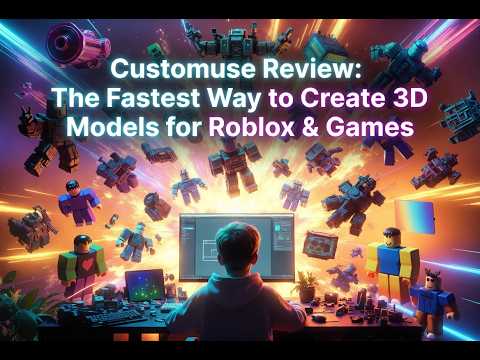
Customuse Review: Create Roblox Assets in 30 Seconds: Customuse AI Full Guide.

Ceartas: The AI “Internet Delete Button” That Protects Creators Instantly.

Upside VC Review: Rising Star VC Firm Supporting Ambitious Founders.

Runna: Personalized AI Coaching for Runners of All Levels.

Menlo Ventures: The Founder-Centric VC Firm Backing Generational Technology Companies.

FirstMark Review: The Founder-First VC Backing Category-Defining Companies

Slow Ventures Creator Fund: Turning Creators into Unicorns.

Zencall: AI Phone Agents That Answer Calls & Book Appointments 24/7.

Krea Review: The All-in-One Creative AI Suite with 64+ Frontier Models.

Picsart: The All-in-One AI Creative Suite for 150 Million Creators.

Bolt: Prompt-to-Product AI That Builds Full Apps in Minutes.

Fyxer AI: Your Personal AI That Drafts Emails Exactly Like You.

11x Review: Autonomous Sales Automation That Actually Delivers Human Results.

Robin AI: The Legal Co-Pilot That Cuts Contract Review Time by 80%.

Decagon Review: AI Agents Turning CX into True Concierge Experiences

Hebbia: The Matrix-Powered AI Revolutionizing Investment Banking & PE.

Quasa Rewards: Earn QUA Tokens While Discovering AI & Web3 Projects.

Claude Opus 4.8: The New Standard in Autonomous Programming and AI Reliability

Nabla: AI That Lets Doctors Be Doctors Again.

Sana: The No-Code AI Agent Platform for Enterprise Knowledge & Automation.

Sixteenth: The 360° Creator Talent Management Platform.

Sierra: Enterprise AI Agents That Actually Work Like Real Employees.

Influential: AI That Makes Influencer Marketing Actually Work.

Relay: AI-Powered Automation That Works for You.

Leonardo AI: Next-Level AI Art & Video Generation.

Geneo: The Ultimate Generative Engine Optimization Platform.

Koah: Monetize AI Conversations Without Annoying Users.

DiaBrowser: The Intelligent AI-Native Browser That Actually Works With You.

Profound: The No-Code Platform for Building Real AI Employees.

Zora: The Decentralized Protocol That Gives Creators True Ownership.

Farcaster: The Real Decentralized Social Network.

Midjourney: Still the Gold Standard for AI Image Generation.

MathGPT Pro: The Ultimate AI Math Tutor and Step-by-Step Solver.

Strawberry Review: The Agentic AI Browser Every Professional Needs.

Anthropic: Safe, Smart, and Enterprise-Ready AI.

Pixverse: Turn Any Text or Image into Cinematic Videos in Seconds.

ElevenLabs: The Most Realistic AI Voice Platform – Full Review.

ZAI: The Next-Gen Generative AI Search Engine for Instant, Citied, and Actionable Answers.

Runway: The Generative AI Powerhouse Redefining Professional Video & Visual Effects.

Wondera: The AI-Driven Personal Studio Redefining Music Creation

Morphic: Finally, Search That Actually Understands What You Nee.

Qwen: The Best Open-Source Model You Can Actually Use at Scale

Neo: Lifelong Memory & Proactive AI Assistant That Runs Your Life.

Zendesk AI: Autonomous AI Agents Resolving 80%+ of Tickets – Full Review.

Menlo: Building the AI Brains for the Humanoid Robot Era – Full Review.

Perfect Corp: AI + AR Beauty Revolution – Virtual Try-On & Smart Recommendations.

Harvey: The Leading AI Legal Co-Pilot Transforming Law Firms – Full Review.

Clay: Turn Raw Leads into High-Converting Campaigns with Zero Manual Work – Guide.

Crescendo: Ultra-Realistic Emotional Voice Agents for Enterprises – Overview.

Replit: Cloud IDE Revolution – Build & Ship Apps in Minutes – Full Review.

Codingame: Turn Learning & Hiring into Addictive Coding Games – Overview.

Cursor: Ship Code 2–5× Faster with Cursor's Intelligent Editing – Insights.

Mercor: AI-Powered Talent Revolution – Hiring 80% Faster – Full Review.

Luma AI: Scale Visual Content Creation with AI Magic – Insights.

n8n: Open-Source AI Workflow Automation Revolution – Comprehensive Review.

Leena AI: The Intelligent HR/IT/Finance Concierge for Global Teams – Overview.

Flowise: Open-Source Visual Low-Code Platform for AI Agents & RAG – Comprehensive Review.

Lara Translate: Instant, Context-Aware Translation for Global Brands – Overview.

Udio: Ultra-Realistic Songs from Text Prompts – Overview.

Lovart: Automate Full Campaigns from Logo to Video – Overview.

Proton: End-to-End Encrypted Suite for Secure Digital Life – Overview.

Passes: Own Your Audience with 90% Take-Home & Anti-Leak Tech – Overview.

Fansly: The Ultimate Creator-First Platform – Comprehensive Review.

Pika: Instant Expressive AI Videos for Creators & Marketers – Guide.

Creator Science: Experiment Your Way to Sustainable Creator Success – 2026 Overview.

Composite: AI-Powered Autopilot for Any Website in 2026 – Expert Guide.

Xona: The Ultimate AI Tool for Virtual Staging & More – Guide.

Promptessor: Score & Refine Prompts for 50% Better AI Outputs – Overview.

Star Method Coach: Master Behavioral Interviews with AI – Full Review.

Adkit: AI-Powered Ad Creation & Spy Tool Revolution – Full Review

Vizcom: Instant Sketch-to-3D Rendering for Creatives

DataSquirrel: Revolutionizing AI-Driven Data Analysis for Non-Tech Pros . Comprehensive Review.

ChatHelp: Transforming Workflows with AI Tools – Comprehensive Review

eesel ai: Revolutionizing CX with AI Agents – Comprehensive Review

Twig: Revolutionizing B2B Customer Support with AI-Driven RAG Automation

DigitalGenius: Revolutionizing Autonomous Customer Service with AI

Voila AI: Revolutionizing AI Productivity with Multi-Modal Magic

FastWrite: Lightning-Fast AI Writing Assistant

QuickCreator: Revolutionizing Agentic AI Marketing for SMBs

Easy-Peasy AI: Revolutionizing Effortless AI Writing & Content Creation

Lightfield: Revolutionizing AI-Native CRM for Startups & Teams

Prismix AI: Revolutionizing Social Media Automation with AI

Poe: Revolutionizing Multi-AI Chat with Custom Bots & Collaboration

Teal: Revolutionizing Job Searching with AI-Powered Career Growth

Napkin AI: Revolutionizing Visual Storytelling from Text with AI

Ideogram: Redefining AI Image Generation with Precise Text Rendering

Gamma: Revolutionizing AI-Powered Presentations & Content Creation

Quasa.io: Pioneering Web3 Freelance with AI Matching & Crypto Empowerment

Freepik: Revolutionizing AI-Driven Content Creation for Designers & Teams

Pump Fun: Revolutionizing Meme Coin Launches on Solana with Instant, Fair Fun in 2026

Chat4Data: Revolutionizing Web Data Extraction with Conversational AI

Clever CSV: Revolutionizing Bulk Content from Spreadsheets with AI

Martin: Your Proactive AI Personal Assistant – The Modern "Jarvis" for Busy Professionals

Koala AI – All-in-One SEO Writer: Generate Publish-Ready Long-Form Content from Keywords in Minutes

SymphonyAI: Building AI Intelligence for Enterprises – Rivaling Palantir in Customization & Results

BizPlanner AI: "Investor-Ready in 15 Minutes" – AI Efficiency for Global Business Builders

PrometAI: Essential AI for Business Planning – From Structure to Projections in Seconds

Top 3 Web3 Tools for Creators 2026

FoxyApps: The Fastest Way to Launch Native Apps – Unlimited Previews, Real Devices

VenturusAI – Instant Reports for Startup Ideas: Validate, Plan & Pitch with Ease

Stratup AI – Discover 100,000+ Business Concepts & Validate Ideas in Seconds

Informly: The Must-Have AI Ally for Entrepreneurs – Depth, Accuracy & Free Basics

BlackInk AI: AI-Driven Creativity for Tattoos – Privacy, Customization & Artist-Ready Outputs

X-Doc AI – Unmatched Accuracy for High-Volume Docs & Audio: 99% Precision, Zero Compromise

Storiaverse: A Fresh Evolution in Storytelling – Switch Between Text & Animation Seamlessly

Immutable – Your Hub for Web3 Gaming: Scalable NFTs, Player Ownership & Developer Tools

OpenClaw (formerly Clawdbot/Moltbot): Innovative Open-Source AI Assistant Redefining Productivity

The Sandbox: Rivaling Roblox with NFT Ownership, User-Generated Games & Creator Economy

Lovable: AI-Powered App Builder – Turn Ideas into Full Web Apps in Minutes

Reclaim – Intelligent Scheduling with AI: Reclaim Hours, Reduce Burnout & Boost Productivity

Thea – Personalized AI Tools for Smarter Studying: Quizzes, Summaries & Games Made Easy

MakeInfluencer: Deploy Custom AI Stars with Veo & Lip Sync – Revolutionize Marketing & Content
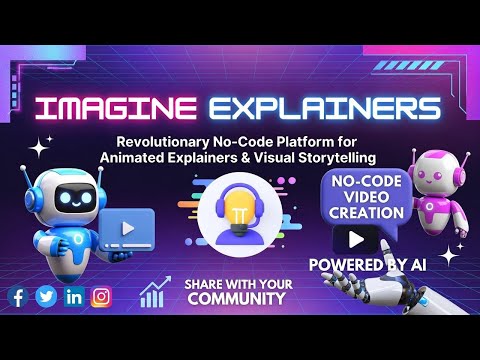
Imagine Explainers – Revolutionary No-Code Platform for Animated Explainers & Visual Storytelling

Make: The Visual Powerhouse for AI-Driven Automations – Boost Efficiency Without Coding

Cameo: The Iconic Platform for Personalized Celebrity Videos & Creator Shoutouts

Spring: Empower Creators to Sell Custom Merch & Digital Products with Zero Upfront Costs

Pinata: The Go-To IPFS Pinning Service for Web3 – Affordable, Flexible & Developer-Friendly

Sprout Social: "All Business is Social" – Cutting-Edge Management for Multi-Network Success

The State of Hybrid Freelance 2026: The QUASA Report (Update)

Dream Recorder – Revolutionary DIY AI Device for Capturing & Visualizing Your Subconscious

MiniMax – Affordable LLM Powerhouse Rivaling OpenAI in Efficiency & Accessibility

Higgsfield on Quasa.io: Revolutionizing AI-Driven Video Creation with Hollywood-Level Realism

Revolutionizing Voice AI: Inworld TTS on Quasa.io – A Game-Changer for Low-Latency, Multilingual TTS

HeyGen – Create Pro Talking-Head Videos with Ultra-Realistic Avatars & Lip-Sync in Minutes

Buildots: 360° AI Vision That Tracks Every Task Against BIM & Schedule – No More Surprises

Speechify: Hands-Free Reading Assistant – Dyslexia-Friendly & Super Fast

Scholarcy – Instant Summary Cards, Flashcards & Critical Insights Without Reading Everything

Ryne AI: From Custom Portraits to Emotional Conversations – Feels Shockingly Real

Gumroad: The Simplest Way to Sell Digital Products & Build Your Creator Business

Datawrapper: The Fastest Way to Create Beautiful, Interactive Charts & Maps

EntriesAI: The Thoughtful AI Journal That Turns Your Thoughts into Deep Insights

Aura – The Caring AI Coach That Feels Like a Kind Friend for Self-Compassion & Calm

Cliply: Turn Any Long Video into 50 Viral Shorts – AI Magic in Minutes

Top 10 Web3 Tools for Creators: AI, NFTs, & Crypto Earnings Game-Changers!

FemFounder – Sisterhood, Masterclasses & Tools for Female Entrepreneurs to Thrive

Beehiiv vs Substack vs Mirror 2026: Lowest Fees Revealed (Keep 97% of Your Earnings!)

Self-Love Rainbow: The Beautiful 30-Day Journey to Radical Self-Acceptance in 2026

Board Game Arena: The Ultimate Free Online Hub for 300+ Board Games

Anara: The Elegant Digital Storefront for Creators Monetizing in 2026

Later: Reliable Scheduling, Grid Previews & Smart Posting for Creators & Brands

Impact – All-in-One Partnership Management: Affiliates, Influencers & Referrals with Real ROI

Grin – Performance Influencer Marketing: Gifting, Affiliates, Tracking & Fast Payouts

ShopMy – The Slickest Way to Monetize Your “What I’m Loving” Content

Ensemble: The Elegant Real-Time Workspace for Collaborative Creator Content

beehiiv – Build, Monetize & Grow Newsletters Without 10% Forever Fees

OTH Network: The Web3 Alternative Giving Creators Full Control & Upside

Jellysmack: Turn One Long Video into 50 Viral Shorts – AI + Editors in Minutes

Uscreen: The Creator’s Choice for Direct Revenue & Branded Video Experiences

Merit Beauty – Skin-First Luxury: Effortless Radiance, No Heavy Makeup

Shine Talent Group – Hands-On Management for Top Creators & Long-Term Growth

Spotter: The Affordable Tool for Catching Every Brand Mention & Trend

Locked In: AI Coach, Streaks, Penalties & Leaderboards – Deep Work on Steroids

MobyGratis: Cinematic, Unreleased Moby Music – Completely Free for Non-Commercial Use

Captiv8: AI-Powered Influencer Marketing with Fast Payments & Real Analytics

Hummingbird-0: Zero-Shot Lip-Sync AI That Looks Almost Too Real

Own: The Privacy-First Social Platform Where You Truly Own Your Audience

Space Selfie – Your Selfie on the Moon, Mars or ISS in Seconds

Quasa Connect: The World's First Web3 Freelance Platform – Earn in Crypto, No Borders!

Kortix: Build Smart AI Agents & Automations – No Code, Just Results

Tutor AI: Your 24/7 Personal AI Tutor That Builds Custom Courses in Seconds

Mr. Donald Save Vatican – Hilarious Indie Game Where Trump Fights Aliens & Biden Mechs

Stirling: Run Llama, DeepSeek & Qwen Locally – The Dev’s Dream Editor

Decentraland: True Ownership in a Decentralized Metaverse – Still a Web3 Cornerstone

Resemble AI: Clone Any Voice & Create Ultra-Realistic Speech in Seconds

Supercut: Turn Hours of Footage into Viral Shorts in Seconds with AI

Hedra: AI That Turns Text & Images into Lifelike Talking, Singing Avatars in Seconds

Kajabi: Professional, Scalable & Creator-First – The Complete Online Business Tool

Interviewsby: Free AI That Prepares You to Crush Any Job Interview

BuzzFeed: Millions of Quizzes Daily, Endless Shares – Still Unstoppable

Flourish: Turn Any Spreadsheet into Stunning Interactive Visuals – No Code Needed

Retrograde: The AI Talent Agent That Cuts Creator Commissions in Half

PageOn AI: Create Stunning Presentations & Interactive Content in Minutes with AI

Subs: The New Creator Subscription Platform from OnlyFans' Founder

BuildCores: Build Your Dream PC in 3D – No More Guesswork

Stardew Valley 1.7: The Cozy Farming Sim Update Dropping This Month

Nucleus Genomics: Unlock 100% of Your DNA – The Future of Personalized Health

Cluely: The Invisible AI That Sparks Outrage and Raises Millions

Skywork: Analyze 100 NASDAQ Stocks in Minutes – The AI Investors Dream About in 2026

Nick DiGiovanni: From MasterChef to 50M+ Followers – The King of Chaotic Cooking

Genspark: The Super Agent That Does Your Work While You Relax

Coach Courteney’s 3-2-1 Magic: Strength + Pilates + Real Results

Create Hollywood-Level Videos in Minutes – LTX Studio Is Here

LOVO AI: Future of Voice

LockedIn AI Your Secret Weapon

Influencer

Flux Kontext

Whalar Creator Powerhouse

Favikon B2B Marketing, Solved

Artisan AI: Future of Sales

Explaining Popularity Bazaar

POPFLEX: Hacking Activewear

Small Bets: For Creators

Streamer University Review

The Explainer: Archive.com

Laylo Own Your Audience

QUASA — Leading Web3 Freelance, AI & Crypto Ecosystem

Stan Store Review

Mistral AI 2026: Europe’s Most Powerful Open AI Platform
Krea Review: The All-in-One Creative AI Suite with 64+ Frontier Models
ComfyUI 2026: The Most Powerful Node-Based AI Generation Tool
Mozart AI 2026: The AI-Powered DAW That 10x Your Music Creation

Kling AI – Hyper-Realistic Motion & Physics That Beats Runway & Luma Right Now
