Showmax Shutdown Leaves African Screen Industry in Crisis — Filmmakers Now Bet Everything on Mobile Micro-Dramas
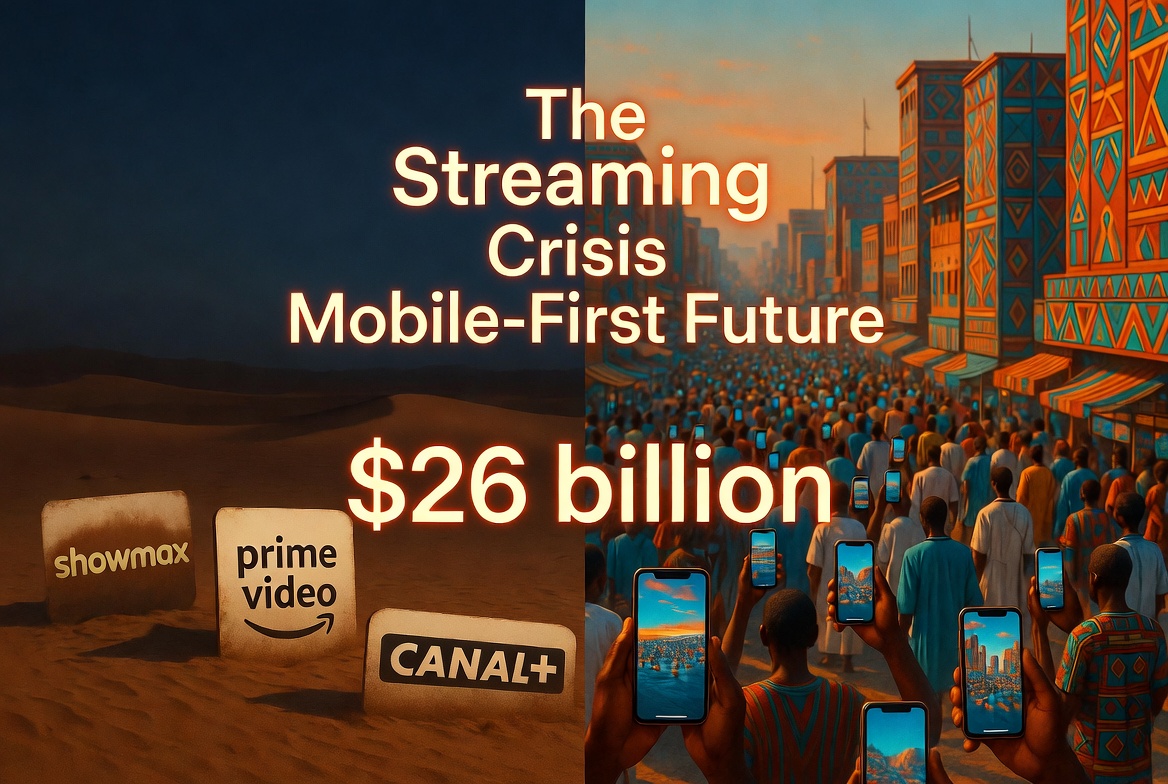
The mood across Africa’s film and TV community is unusually somber. After months of losses, Canal+ has officially pulled the plug on Showmax, its once-ambitious pan-African streaming service.
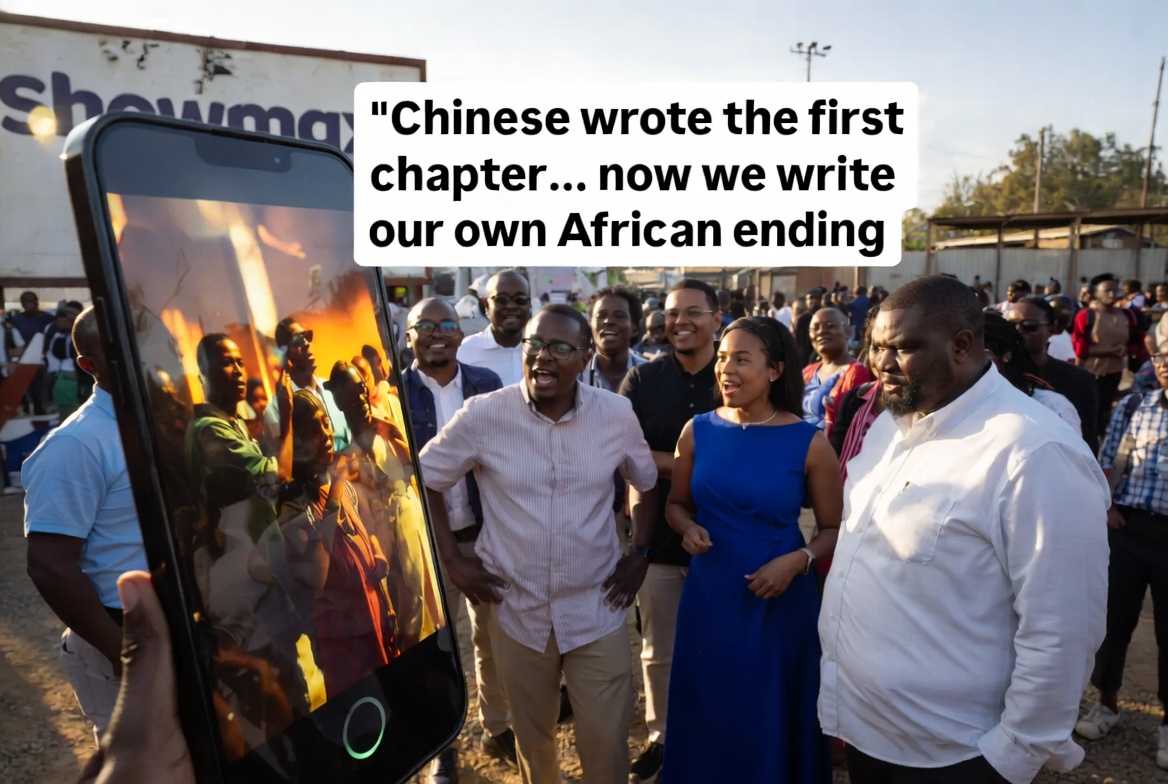 The closure marks another major retreat by global platforms from the continent, leaving local creators wondering who will fund and distribute African stories in the years ahead.
It’s not the first blow. Amazon Prime Video has already scaled back dramatically, virtually ending its investment in original African content.
With Showmax gone, the list of serious buyers for local productions has shrunk to a worrying handful — with Netflix now looking like the last major player still standing.
The Streaming Desert Is Getting Bigger
 For African filmmakers and producers, the situation feels existential. Just a few years ago the continent was being hailed as the next big streaming frontier. International money flowed in, local languages were celebrated, and homegrown hits were born. Now the opposite is happening: platforms are leaving faster than they arrived.
At the recent Johannesburg film festival, one producer summed up the collective anxiety with a blunt metaphor:
“The Chinese wrote the first chapter of vertical entertainment. Now we have to study the script and write our own African ending.”
The Mobile-First Future: Micro-Dramas to the Rescue?
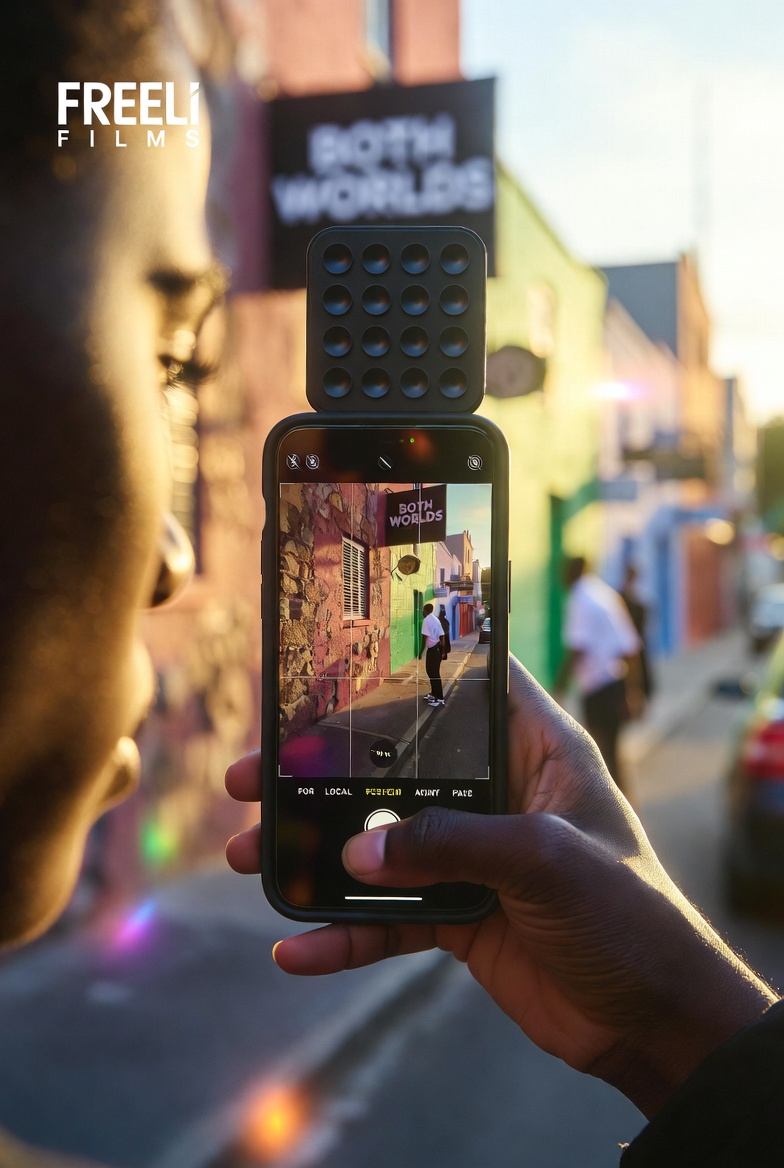 Instead of despair, many in the industry are pivoting hard toward a new format that matches the reality of African audiences: **micro-dramas** — ultra-short vertical series designed specifically for phones.
The numbers are compelling. Industry forecasts predict the global vertical video (short-form, phone-first) sector could generate **$26 billion annually by 2030**. In Africa, where the smartphone is often the *only* screen for millions of people, this format feels tailor-made.
Cape Town-based production house Both Worlds has already moved first. The company announced a major partnership with American vertical-content specialist Freeli Films to co-produce a slate of mobile-first series. Other producers are experimenting with localized versions of popular Korean micro-dramas, dubbing or subtitling them into indigenous languages to test what resonates locally.
Why This Could Work
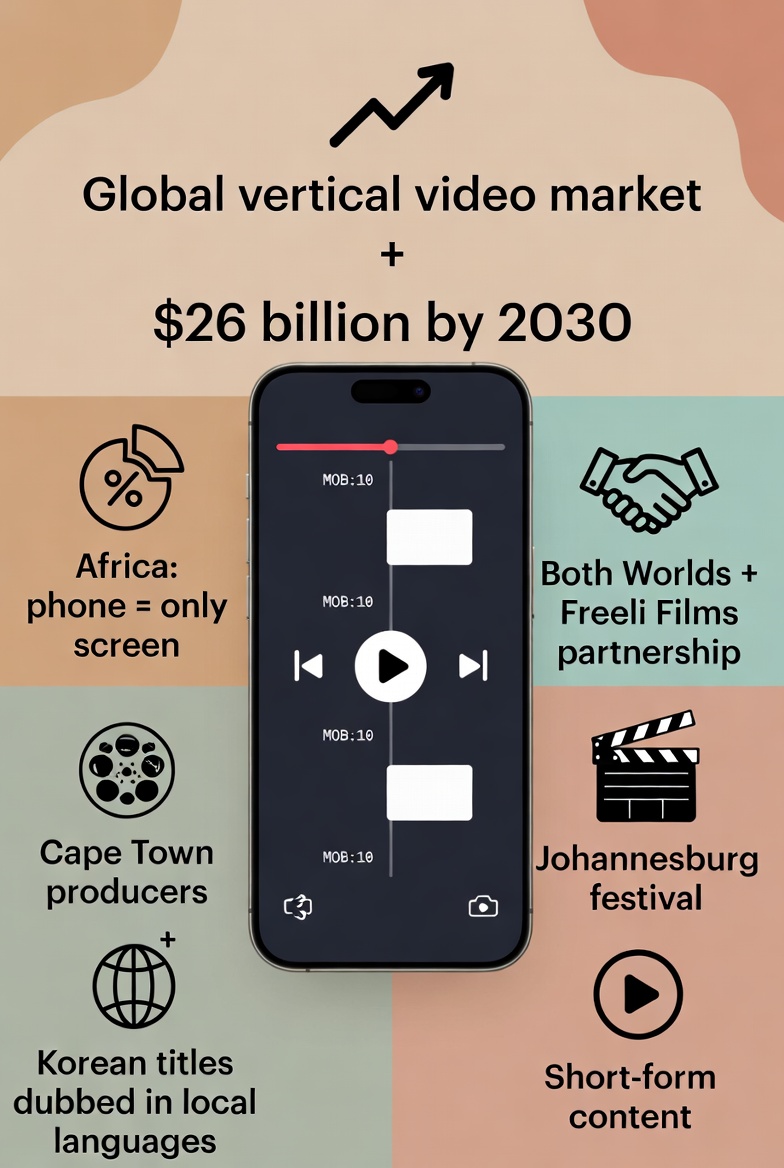 Vertical micro-dramas are cheap to produce, fast to make, and perfectly suited to how Africans actually consume video — on small screens, in short bursts, often on mobile data. They don’t require expensive theatrical releases or high-bandwidth streaming subscriptions. They can be distributed directly via WhatsApp, TikTok, YouTube Shorts, and local social platforms.
For creators who once dreamed of competing with big-budget Netflix originals, this shift represents both a step down in prestige and a potential step up in reach. As one Johannesburg filmmaker put it: “We don’t need another expensive prestige drama that only 200,000 people will watch. We need stories that reach 20 million people on their phones every day.”
Also read:
- The Delve Scandal: How Two 21-Year-Old Forbes 30 Under 30 Founders Built a $300M “AI Compliance” Unicorn — And Are Now Accused of Selling Fake Reports
- China Just Approved the World’s First Commercial Brain Chip — And It’s a Narrow, Invasive One That Actually Works
- Why Meta’s New Ray-Ban Display AI Glasses Are Still Missing From Europe: The Ironic Cost of “Consumer-Friendly” Regulations
- Institutional AI vs. Individual AI: Why Swapping the Motor Isn’t Enough — It’s Time to Redesign the Factory
The Road Ahead
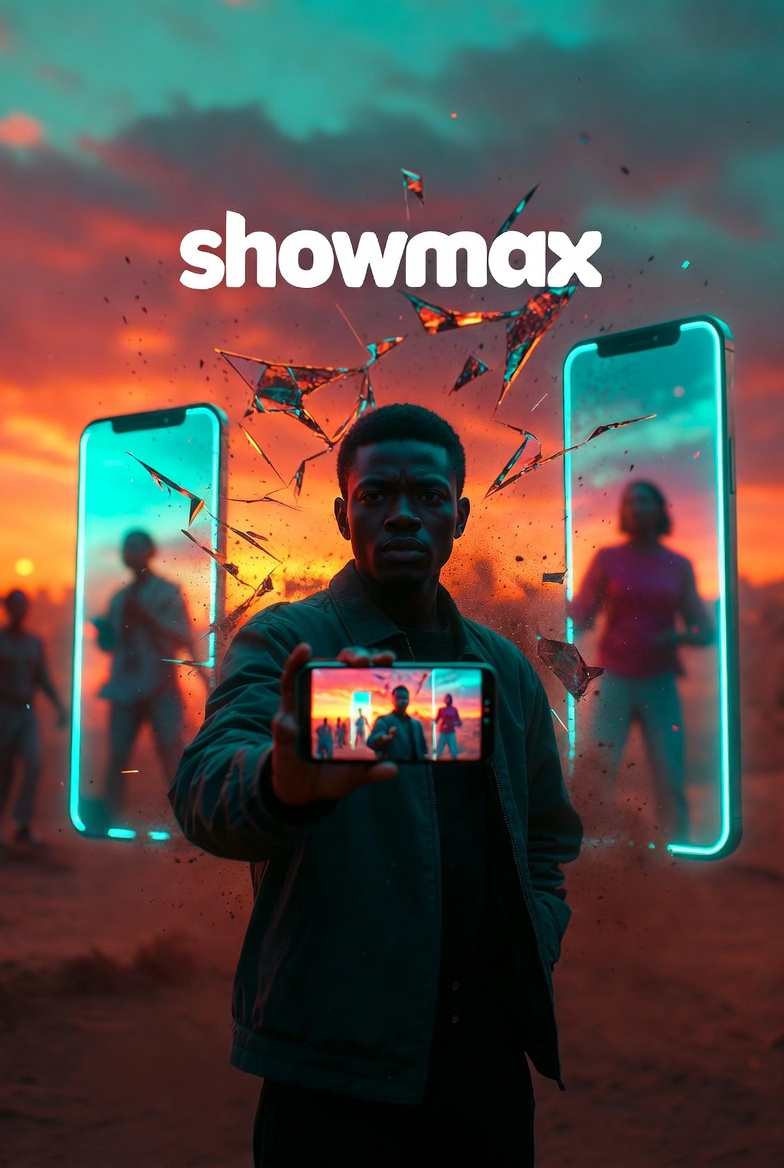 No one is pretending the loss of Showmax is good news. The contraction of international streaming investment hurts funding, talent pipelines, and long-form storytelling. But the crisis is also forcing the industry to confront a truth it has long known: in Africa, the future of screen entertainment will be mobile-first, vertical, and short-form.
The Chinese proved the model works at massive scale. Korean creators showed how addictive storytelling can travel. Now African filmmakers are determined to write the next chapter — one that feels authentically their own.
Whether micro-dramas become the lifeboat that keeps the entire industry afloat remains to be seen. But right now, they represent the clearest, most practical path forward in a continent where the phone is the cinema.
The cameras aren’t stopping. They’re simply turning vertical.