
Google's AI Traffic Light Project May Have Been a Mistake
Hello!
Google claims that its quietly rolled-out AI traffic signal project streamlines the process and reduces stoplight wait times — but it remains unclear exactly how helpful it really is.

Project Green Light: A New Approach to Traffic Management
Initially piloted in 2026, Google’s Project Green Light is, as Scientific American explains, built on an algorithmic model that serves as an alternative to the two major systems of traffic signal control in use today.
Traditional methods rely either on manually adjusted fixed light cycles or on below-ground sensors that detect vehicle volumes at intersections. Both approaches have long posed challenges for urban planners seeking efficient traffic flow.
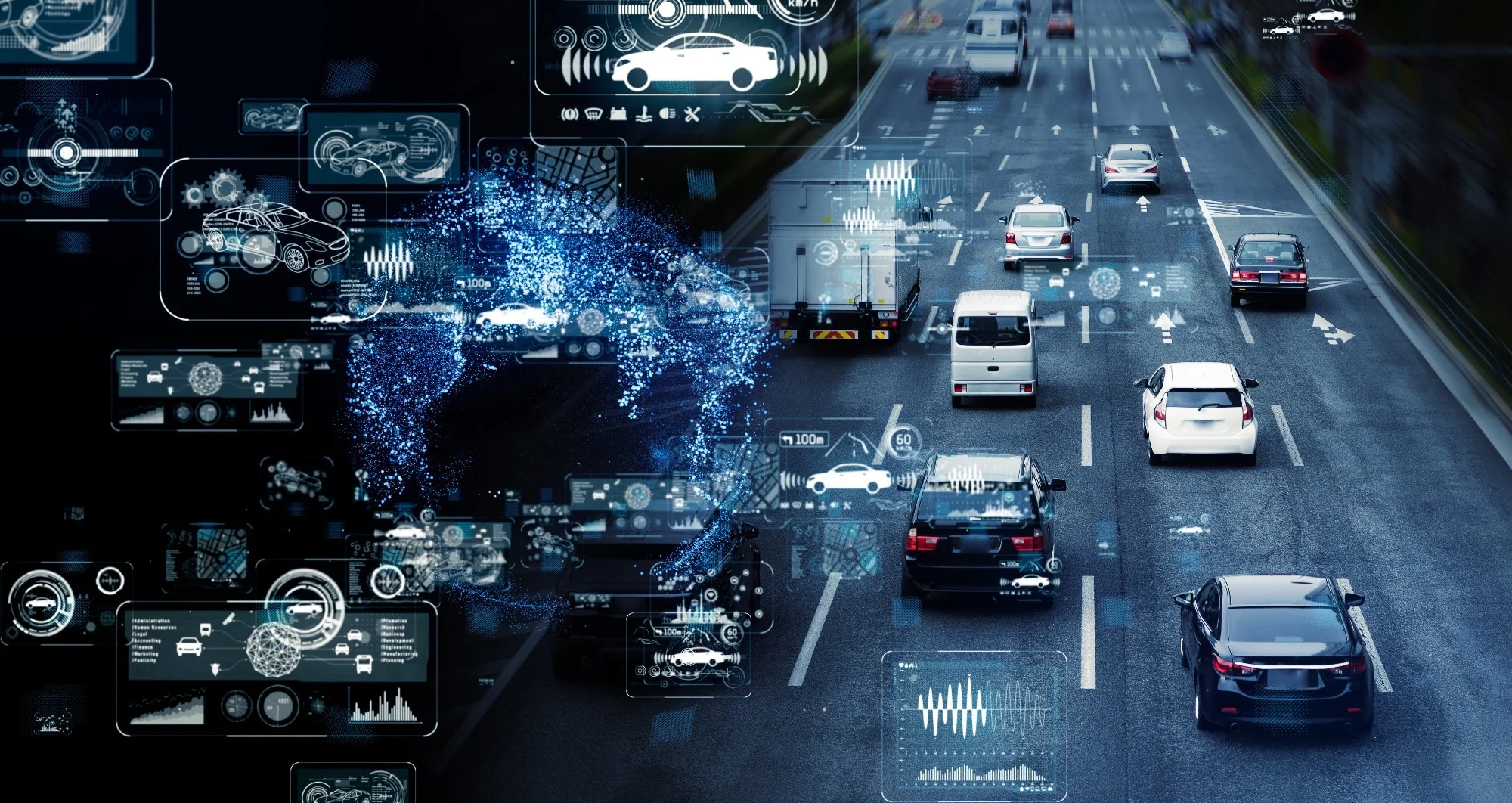
Project Green Light introduces adaptive, responsive traffic control. It leverages Google Maps data to train the system to anticipate congestion patterns and adjust signal timing accordingly.
Newly deployed in Boston in 2026, the project has also been adopted in cities such as Seattle and Manchester, England, with varying degrees of success.
While the initiative is not without merit, real-world incidents such as accidents demonstrate that certain road events cannot be fully predicted by algorithms alone.
Bad Advice

Although Boston has publicly praised its partnership with the project, officials from other participating cities have expressed reservations. In interviews with Scientific American, they noted that the AI-generated recommendations frequently fell short of expectations.
Traffic engineers in Manchester, for example, regularly disregarded Project Green Light’s suggestions, citing their limited practical value. The engineers instead relied on manual adjustments to prioritize bus routes and divert commuter traffic away from residential neighborhoods — factors the algorithms did not adequately address.
Mariam Ali, spokesperson for Seattle’s Department of Transportation, acknowledged both the benefits and limitations of the system. While she stated that the city has “seen positive results,” she also confirmed that Seattle had to reverse one Google-recommended change because it “did not result in a net benefit.”

Aleksandar Stevanovic, a civil engineer at the University of Pittsburgh who specializes in traffic control systems, observed that although Google’s efforts to apply advanced technology to traffic management are welcome, human oversight remains essential.
“Traffic has so many uncertainties,” Stevanovic noted. He added that managing it is “not rocket science,” but is, in fact, “more difficult.”
Also read:
- Shaquille O’Neal Money Made from Google Investment Analyzed
- Scientists Find That Yelling at AI Chatbots Can Make You Feel Better
- Researchers Find That Higher Intelligence Is Correlated With Left-Wing Beliefs
Thank you!
Join us on social media!
See you!
Subscribe to our newsletter
Get the latest Web3, AI, and crypto news delivered straight to your inbox.