
The Future of Digital Art: The $22,000 Canvas Revolution
Creator Economy 1478

For years, DeviantArt was written off as a relic of the early internet. As users migrated to Instagram, Twitter, and TikTok in the 2010s, and especially after the platform embraced AI-generated art, many predicted its inevitable decline or even death.
Instead, DeviantArt has staged one of the most unlikely comebacks in the creative industry.
In 2025, creators on the platform earned a staggering $23 million through sales of their artwork. That figure is 11 times higher than in 2022 and exceeds the total earnings of all creators on DeviantArt across the previous five years combined. A significant portion of this revenue came from subscriptions to exclusive content, prints, commissions, and other direct fan support.
The turnaround didn’t happen by accident.
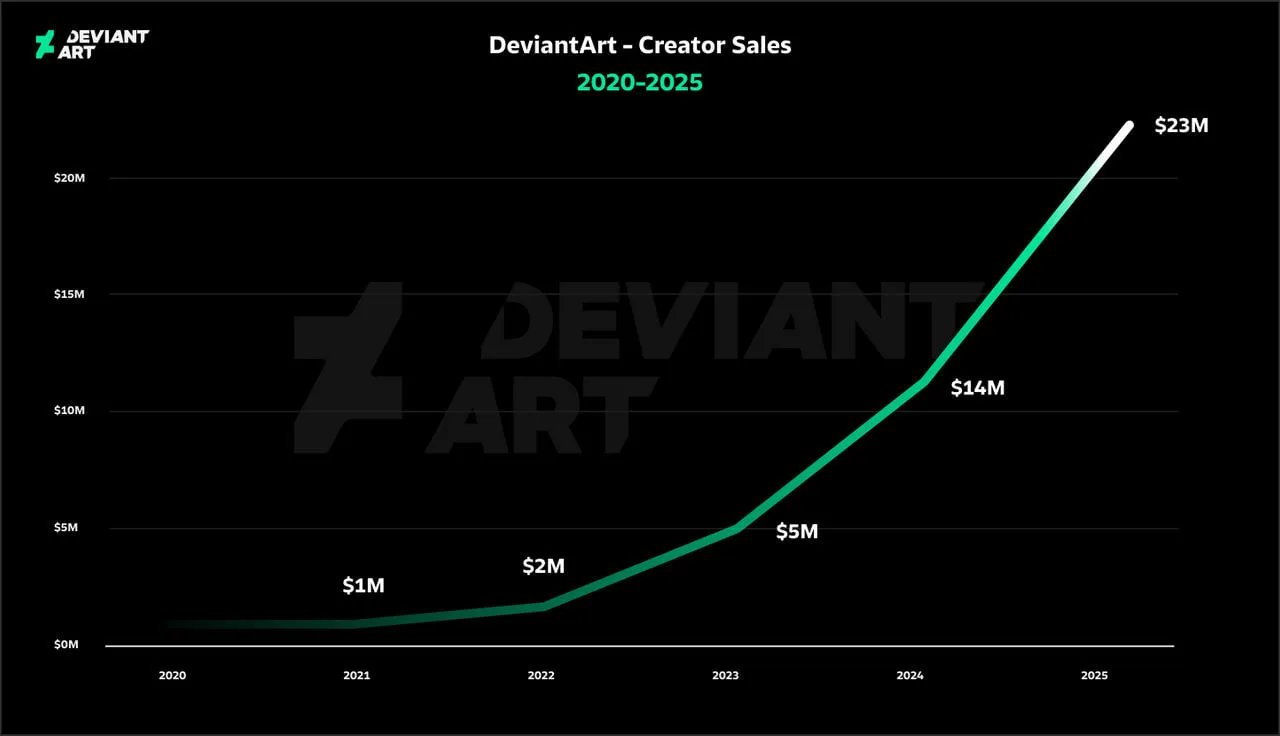
As CEO Moti Levy (Wannabby) wrote in a recent journal post:
> “Today, DeviantArt only makes money when our artists make money.”
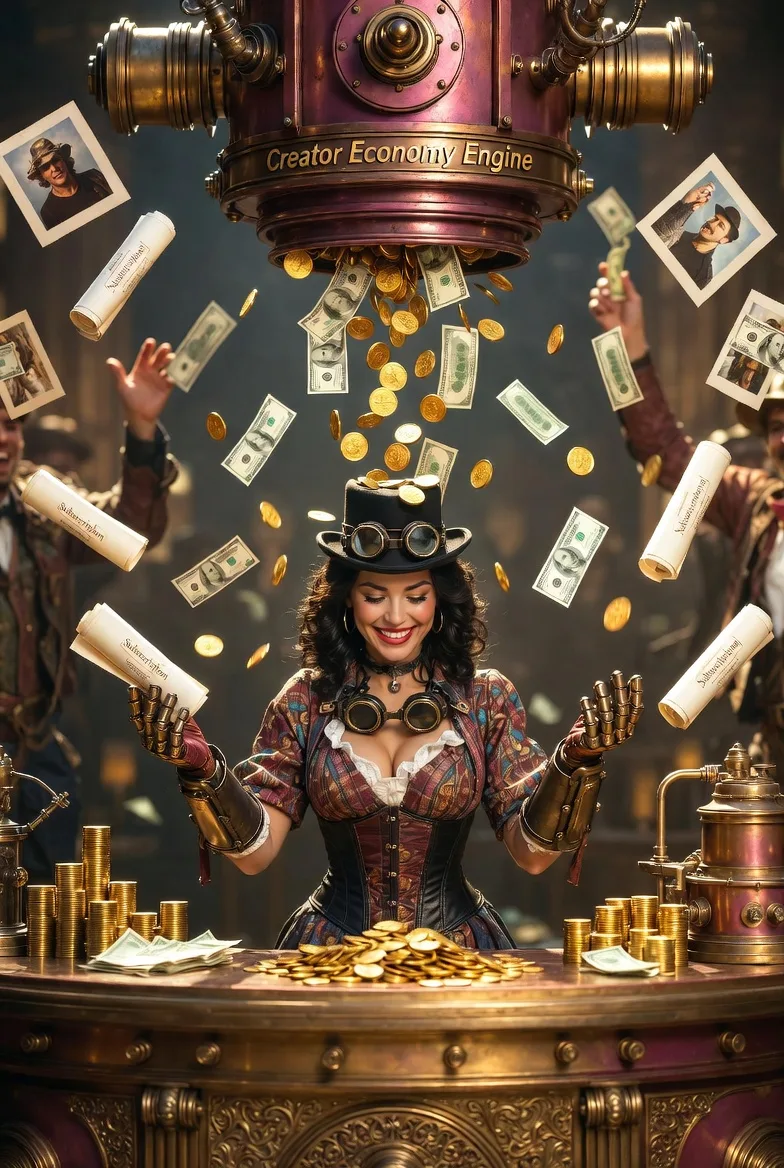
At the same time, DeviantArt launched DreamUp, its own generative AI art tool. The decision sparked fierce backlash from many traditional artists who feared AI would flood the platform and devalue human-created work. Yet it also attracted a new wave of users and creators eager to experiment with AI as a creative tool.
The result? User growth accelerated. By 2025, DeviantArt had surpassed 110 million registered users (more than triple the number at the time of the Wix acquisition). Daily active users, submissions, watches, comments, and favorites all showed sustained upward trends.
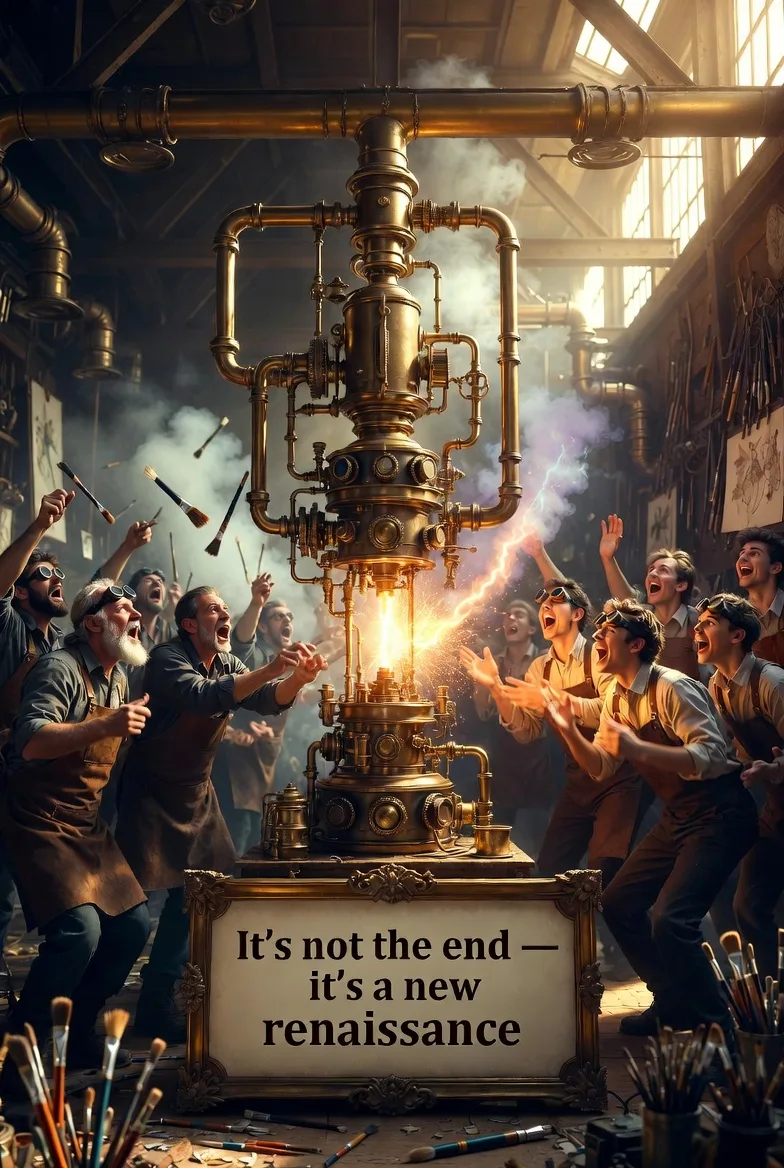
> “This was a deliberate choice, made with the conviction that it would expand access to creativity, welcome new types of creators, and become a vital tool for the next generation of artists.”
Rather than picking sides in the AI vs. human art debate, DeviantArt chose to become a “full-spectrum home for creators” — supporting traditional art, digital art, and AI-generated work alike, while introducing transparency features like AI tagging.
While some artists left in protest, many others stayed or joined, and overall platform activity and monetization grew significantly.
Also read:
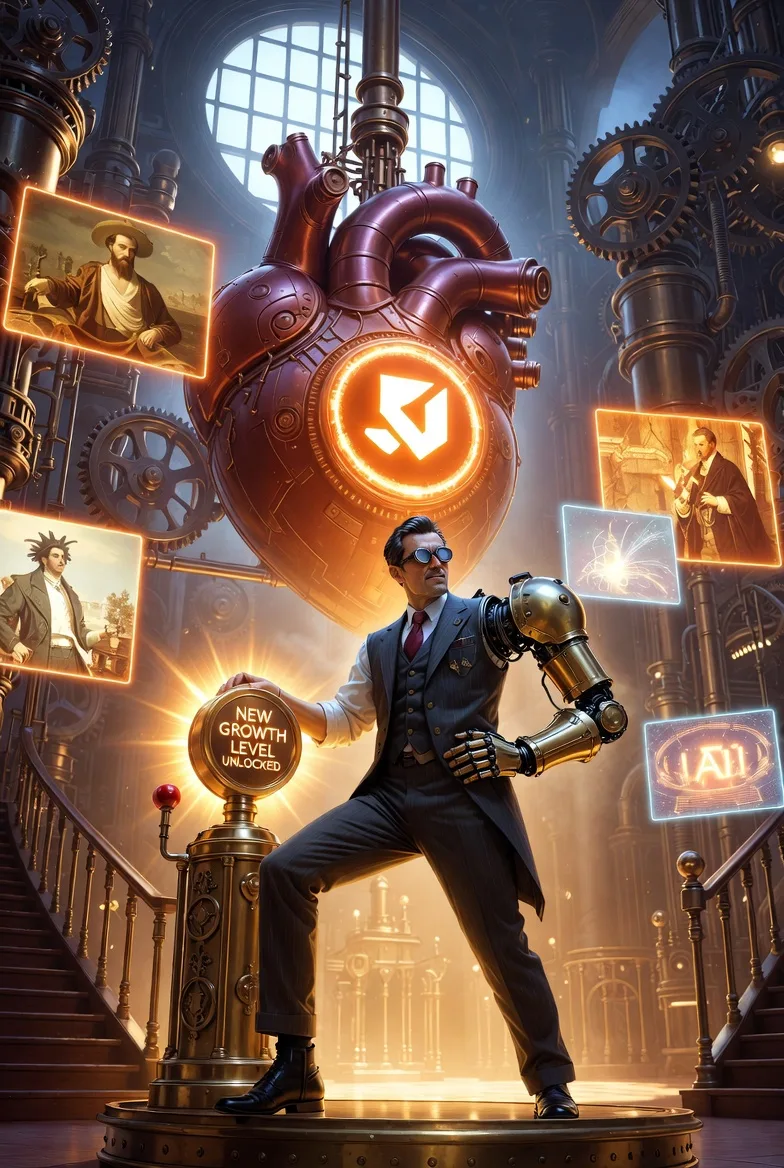
By removing ads, embracing new tools like generative AI, and doubling down on direct monetization, the platform didn’t just survive — it thrived.
In the CEO’s own words, the transformation is now complete:
> “The network isn’t ‘coming back.’ It already has. BIG time!”
For an internet dinosaur once left for dead, DeviantArt has quietly unlocked a new growth level — proving that betting on artists (and giving them modern tools) can still be a winning strategy.


Get the latest Web3, AI, and crypto news delivered straight to your inbox.