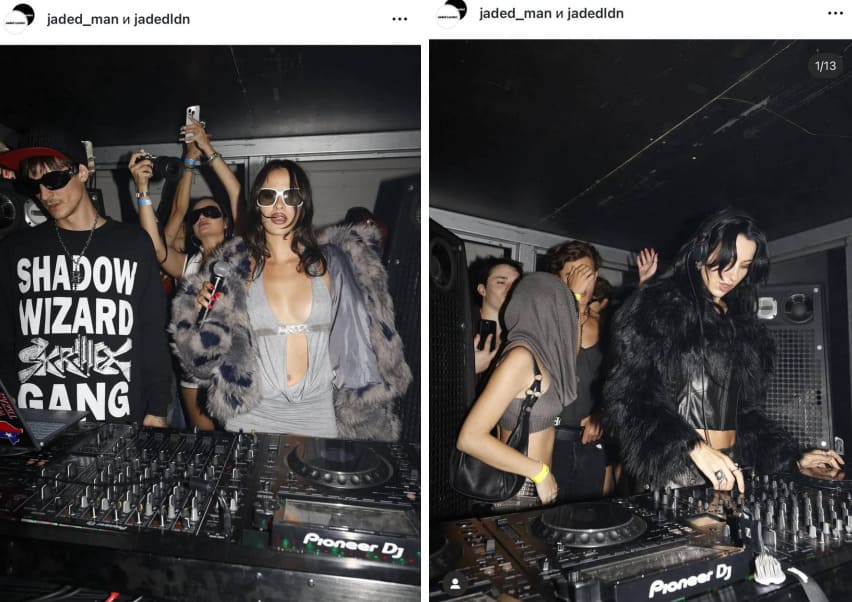
From Transaction to Transformation: People don’t visit for clothes—they come to feel part of the brand. This marks a shift from product-based to experience-based marketing.
“Skin in the Game” Principle: Castings and tattoos are micro-engagement acts, letting consumers “embed” the brand into their identity. This taps into a powerful neuromarketing pattern—ownership bias—where we grow fonder of things we’ve invested effort in.
Neuroeconomic Effect of Belonging: When a brand creates a social space, the brain sees it as “our territory” rather than a sales spot. This reduces cognitive strain and makes consumption emotionally comfortable (the “tribal belonging” effect).
Social Proof Loop Technology: Queues, user-generated content (UGC), and event buzz amplify demand, triggering classic herd behavior - if everyone’s going, it must be worth it.
Extended Offline Lifespan: Free Wi-Fi and community activities boost dwell time and purchase likelihood - a tactic honed by Apple and Nike, now tailored for Gen Z.
Save this, colleagues - it’s the future!
Share:
Subscribe to our newsletter
Get the latest Web3, AI, and crypto news delivered straight to your inbox.