Creating A Transparent Supply Chain and Potential of Blockchain
Hello!
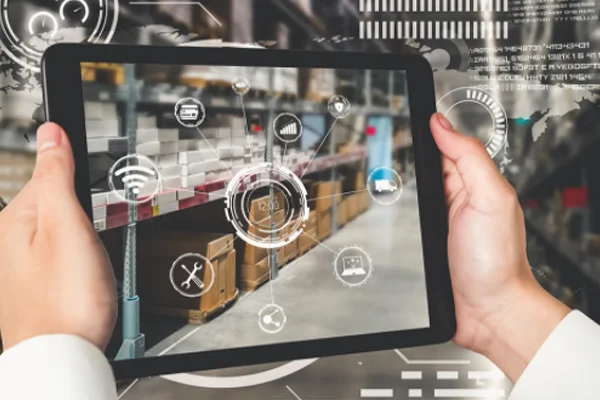
A supply chain forms the backbone of every business. Both large corporations and small enterprises rely on external vendors to varying degrees. As organizations scale, supply chains grow increasingly complex, making transparency in transactions one of the most persistent challenges.

Blockchain enables authenticated data sharing, cost-efficient product delivery, full traceability, and improved coordination among all parties involved.
Below is a practical overview of how blockchain can be integrated into supply chain operations to enhance transparency.
What is Blockchain Technology?

At its core, blockchain is a distributed, publicly accessible ledger that records every transaction immutably. Transactions occur directly between participants without intermediaries, and once recorded, entries cannot be altered. This combination of decentralization and permanence delivers a high level of transparency for all activities conducted on the network.
By removing intermediaries, blockchain significantly reduces administrative costs while maintaining an auditable record visible to authorized stakeholders.
How Blockchain Supports Supply Chain Transparency

Supply chain transparency benefits both consumers and businesses. It improves traceability, reduces losses from counterfeiting, strengthens control over external contracts, and enhances overall operational visibility. The more clearly a company understands its supply network, the fewer disruptions it encounters.

Major organizations are actively testing blockchain to increase efficiency and openness in their supply chains. In 2026, Nasdaq and OMX Group Inc. collaborated with blockchain startup Chain to explore the technology for share trading on the Nasdaq Private Market. Visa Europe, the Commonwealth Bank of Australia, RBS, and numerous other institutions have also launched blockchain initiatives to develop tailored solutions.
Here are several practical applications of blockchain for building a more transparent supply chain.
Product Development
Companies gain open access to source-material data, enabling more informed decisions during R&D and supporting closed-loop design processes.
Better Planning and Risk Reduction

Compliance and Visibility
Organizations can monitor outsourced manufacturing activities to ensure regulatory compliance. Any deviations are immediately visible on the blockchain, streamlining audits and returns management.
Smart Contracts

Transparency for End Consumers
Consumers receive clear visibility into the materials, processes, and parties involved in creating a product, fostering greater trust and brand loyalty.
Also read:
- 8 Red Flags That You’re Making Poor Business Financial Decisions
- Action is The First Criterion of Understanding.
- Successful People vs Unsuccessful People – 13 Key Differences
Benefits of Blockchain for Supply Chain Transparency
Integrating blockchain into supply chain operations delivers multiple advantages beyond basic traceability. Encrypted, decentralized data storage protects consumer information, while the immutable ledger prevents duplication of records and enables seamless collaboration among multiple stakeholders.

Conclusion
Blockchain technology continues to mature and is now widely recognized as a foundational tool for modern supply chains. Although cross-border implementation still presents certain challenges, practical solutions are rapidly emerging. The disruptions of recent years have underscored the urgent need for such transparent and resilient systems.
Thank you!
Join us on social media!
See you!
Subscribe to our newsletter
Get the latest Web3, AI, and crypto news delivered straight to your inbox.