Your Blockchain help Secure IOT data, how?
Hello!
Blockchain Help In Securing IoT

How exactly can blockchain help secure IoT data? Blockchain was once associated solely with cryptocurrencies. Today the technology is applied across many industries.
How Data Moves Across the Chain
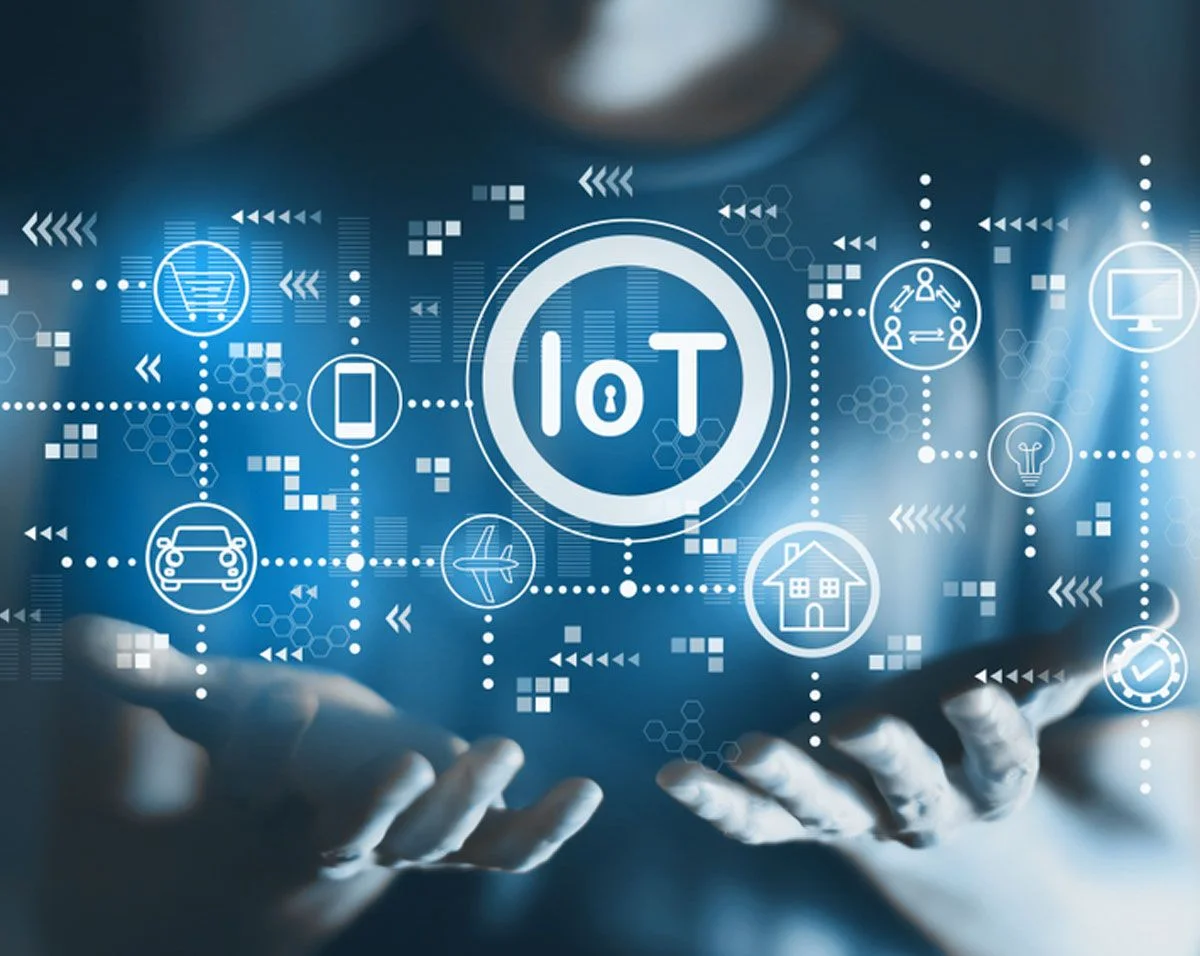
The way information spreads across the chain (blockchain) is proving valuable in numerous contexts. IoT, or the Internet of Things, allows devices to communicate with one another without human intervention.
This technology powers everything from small wearables such as fitness trackers to large-scale systems such as autonomous vehicles. Below we examine how blockchain can protect the data generated by IoT devices.
What Is Blockchain?

Each entry is stored in blocks that form an immutable chain. Creating a new block requires significant time and computational resources, and every block contains a cryptographic reference to the previous one.
Because it is difficult to create a block, it is even harder to alter data inside an existing block.
An attacker would have to rewrite every subsequent block to change a single record—an almost impossible task. This architecture makes the stored information both trustworthy and highly secure.

Why Centralized Storage Is Vulnerable
The main weakness of conventional data storage is that everything resides in one location.
Once an attacker breaches that single point, all data becomes accessible. With blockchain, information is distributed across many blocks, making large-scale theft or tampering impractical. These structural advantages make the technology especially suitable for secure IoT data storage.
Key Advantages of Blockchain Technology

Because no central party verifies or controls exchanges, there is no need to pay intermediaries or wait for manual checks. The same decentralized model that powers cryptocurrencies therefore saves both time and cost.

- No fraudulent entries are possible, because every participant must authorize each transaction.
- Once recorded, data cannot be altered or removed, guaranteeing authenticity.
- The lack of a central authority removes the risk of manipulation.
IoT Explained

Within an IoT ecosystem, components communicate directly or with outside services.
Technicians can monitor equipment health in real time, schedule maintenance before failures occur and reduce energy consumption. A smartphone app typically serves as the control hub.

- Devices stay connected via the internet.
- Real-time diagnostics reveal the condition of each component.
- Smartphone apps provide remote control.
- Continuous communication produces vast amounts of information.
How Is IoT Useful?
Smart homes are the most visible application. One central device—usually a phone—can manage lighting, climate, security and appliances while also tracking performance. The same principle scales to offices and factories, where IoT helps cut energy costs and plan maintenance.


Fitness trackers illustrate another common use case, continuously collecting heart rate, step count and other metrics that doctors can later review.
- Remote control of devices from any location.
- Energy savings through intelligent monitoring.
- Predictive maintenance that prevents sudden breakdowns.
- Rich datasets that support better business decisions.
- Health insights from wearable devices during medical check-ups.
Security Challenges in IoT

The number of connected devices continues to grow rapidly.
More devices mean more entry points for attackers. In 2026 the industry witnessed a major incident in which a large portion of IoT devices was compromised, highlighting the scale of the risk.

- IoT data currently resides in centralized cloud storage.
- The number of devices is expanding exponentially.
- Attackers can enter through any weakly protected device.
- The 2026 incident demonstrated the consequences of such breaches.
- Sensitive personal and financial information is at risk.
How Blockchain Can Secure IoT

The technology makes the entire ecosystem more resistant to attacks while preserving consumer data privacy.
Smart contracts allow devices to execute agreements automatically, and the immutable ledger keeps a tamper-proof history of every interaction. No central authority is required, reducing both cost and risk.
- Billions of devices can be tracked in a decentralized manner.
- Data distribution protects against targeted attacks.
- Records cannot be altered once written.
- Smart contracts enforce rules before any data exchange occurs.
- IoT networks gain a permanent, auditable history of device activity.
Challenges of Integrating Blockchain with IoT


- Current blockchain designs may struggle with very large device fleets.
- Additional mechanisms are needed to detect and isolate compromised nodes.
- Smaller sensors often lack the compute power required for full nodes.
- A streamlined consensus model could offer an effective middle ground.
Final Thoughts

Decentralized applications (dApps) built on blockchain can further enhance device autonomy and safeguard sensitive information. Continued refinement will be necessary, but the combination of IoT and blockchain already points toward a more secure and efficient connected future.
Thank you!
Join us on social networks!
See you!
Subscribe to our newsletter
Get the latest Web3, AI, and crypto news delivered straight to your inbox.