Dodo’s ChatGPT Pizza Was a Hit. Its Name Is Gone From the Dubai Menu
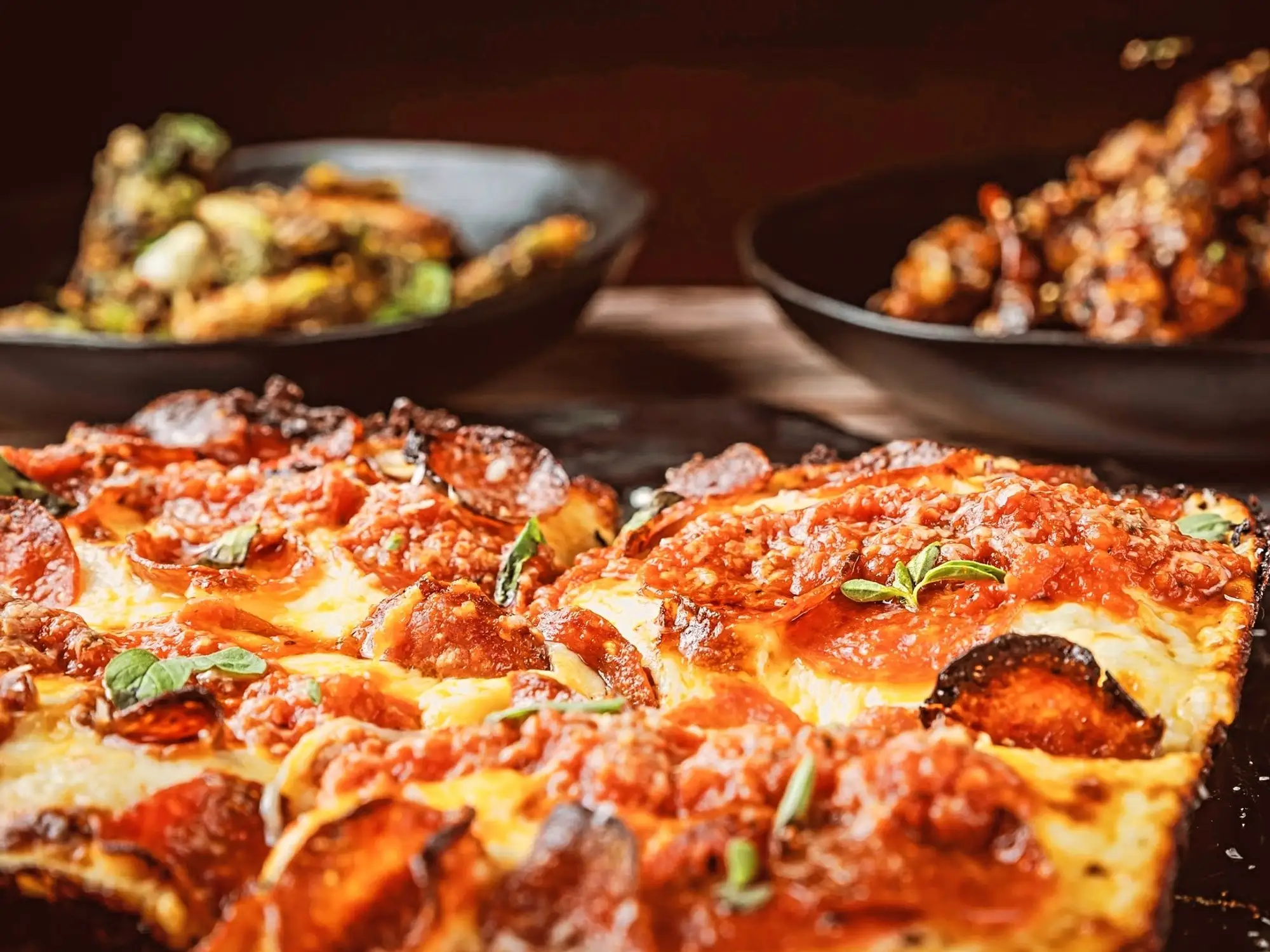
Dodo Pizza’s ChatGPT-assisted pizza was described as a hit in 2024, but its original identity has since disappeared from the chain’s online storefront. As of August 13, 2026, the official Dubai menu lists a Chicken Shawarma pizza but no product identified as ChatGPT-generated.
The underlying experiment remains real, although it began earlier and involved more human judgment than the headline shorthand suggests. Dodo’s chef used ChatGPT to propose combinations for Dubai customers, then selected and developed one of those ideas into food that could be prepared, sold and evaluated in a restaurant.
The AI-branded pizza is no longer on the current menu
The current ordering page does not show the former “Chicken Shawarma AI-generated pizza” name. It contains a Chicken Shawarma product among several pizzas marked as new, but the page does not connect that listing to ChatGPT or establish that it is the same recipe under a shorter name.
This supports a narrow conclusion: the AI-branded product is not currently presented on that Dubai menu. It does not establish when the earlier pizza left, whether it was renamed, or whether every branch changed its selection at the same time. No public discontinuation date is displayed there.
The distinction matters because the chatbot association was part of what made the launch notable. A shawarma pizza can remain commercially useful without an AI label, while a product explicitly presented as a ChatGPT creation also acts as a piece of brand storytelling. The recipe and the story around its development are related, but they are not the same asset.
The experiment was public by April 2023
An April 28, 2023 CNN transcript identifies Spartak Arutyunyan as Dodo Pizza’s brand chef and documents him presenting two ChatGPT-assisted pizzas created for the company’s recently opened Dubai restaurant. He explained that the city’s range of cultures and tastes was difficult to capture in a single product without outside help.
The segment framed ChatGPT as a source of recipe ideas, not an autonomous kitchen worker. It also noted that Arutyunyan treated generated answers cautiously because large language models do not always produce factual information. That qualification belongs at the center of the story: the machine supplied suggestions, while a chef remained responsible for deciding what could become food.
A generated topping list is only the beginning of restaurant development. It does not by itself settle portion sizes, sourcing, preparation time, allergens, food cost or consistency across orders. Nor can a chatbot taste the finished result or determine whether customers will buy it. Those decisions and observations remained with the restaurant team.
How the pizza became a hit story in 2024
A September 3, 2024 account from TechRadar described the Chicken Shawarma AI-generated pizza as a major success and relayed Arutyunyan’s statement that it was still available then. Its listed components included shawarma chicken, tahini, paneer, onions, tomato sauce, mozzarella, parsley and za’atar.
The combination joined ingredients associated with several culinary traditions in a familiar pizza format. Shawarma chicken, tahini and za’atar supplied a Middle Eastern direction; paneer introduced a South Asian element; tomato sauce and mozzarella kept the result recognizable as pizza. The novelty was the particular arrangement, not the invention of any individual ingredient.
Human selection shaped the outcome just as strongly as generation. Other suggestions paired strawberries with pasta or blueberries with breakfast cereal, and those combinations did not reach the menu. Customers therefore encountered a proposal that had survived professional screening, rather than a representative sample of everything ChatGPT produced.
The chef’s description of the pizza as a hit also has a limit. No public unit sales, revenue figures, comparison period or store-by-store results accompanied that characterization. It is reasonable to preserve his account of customer reception, but not to convert it into a quantified claim about the product’s performance against the rest of Dodo’s range.
The creative work was curation and execution
For the creator economy, this case is more useful as an example of AI-assisted concept development than machine authorship. Arutyunyan defined the challenge, interpreted the suggestions and chose which combination deserved further work. The kitchen converted that choice into a repeatable product, while the company supplied the menu placement and customer access.
ChatGPT’s contribution was still meaningful. It produced an unconventional combination that the chef said he would not ordinarily have assembled, widening the range of ideas under consideration. But novelty alone did not make the pizza viable; the rejected combinations show why selection cannot be separated from the result.
The launch also demonstrates how a creation process can become part of the product’s public value. The AI origin gave customers and media a compact explanation for why the pizza existed, turning development methodology into a promotional narrative. That narrative attracted attention even though the underlying work still depended on ordinary restaurant capabilities.
The current menu does not turn the earlier experiment into a failure. Restaurant products rotate, change names and lose campaign framing for many reasons, and the available pages do not identify which explanation applies here. What can be said is more precise: the pizza reached customers, was characterized as successful in 2024, and is no longer presented under its ChatGPT-associated name on the current Dubai menu.
Also read:
Subscribe to our newsletter
Get the latest Web3, AI, and crypto news delivered straight to your inbox.