A/B Testing in Marketing: The What, Why, When and How
Hello!
Effective marketers understand that tracking campaign performance is essential for success. The real challenge lies in ensuring that performance keeps improving over time.

This is precisely where A/B testing becomes invaluable.
If you’ve ever asked yourself, “What is A/B testing in marketing?”, this guide is for you. Below we explain what A/B testing is, why and when to apply it, and which digital assets benefit most from systematic testing.
Why and When to Use A/B Testing
A/B testing removes guesswork from marketing optimization. It supplies concrete data showing whether proposed changes will improve (or reduce) performance with your target audience.

With algorithms constantly evolving and user behavior shifting, a “set-it-and-forget-it” approach rarely maximizes results. Running A/B tests on a regular basis helps ensure your marketing efforts stay at peak efficiency.
How to Use A/B Testing: Best Practices and Elements Worth Testing
Now that you understand what A/B testing is and why it matters, let’s look at proven best practices and specific assets you should test.
Best Practice #1: Start With a Clear Plan

Best Practice #2: Keep It Simple
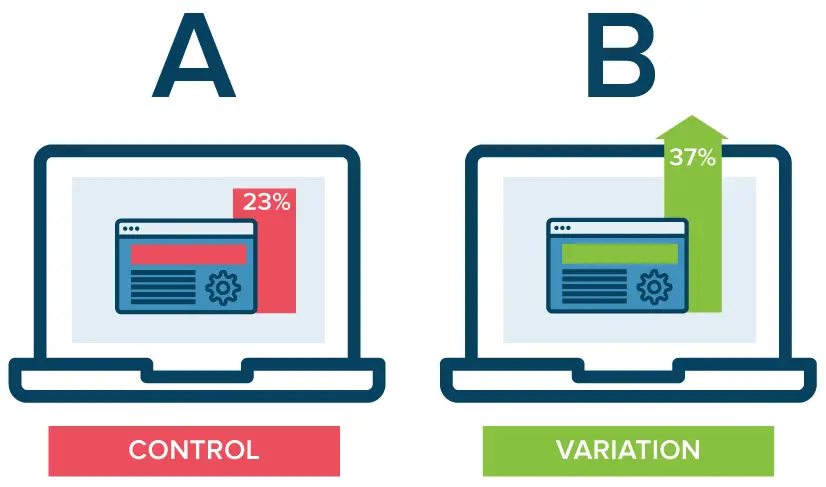
When running an A/B test, change only one element at a time. This ensures you can attribute any performance difference to that specific variable.
Imagine you have a landing page offering a free download in exchange for an email address. If conversion rates are lower than expected, you might test a new button size or revised copy. Changing the entire page design and content simultaneously would make it impossible to know which factor drove any improvement.

- Ad copy: Weak ad copy can destroy results in paid campaigns. A/B testing remains one of the most reliable ways to refine messaging and lift click-through rates.
- Calls to action (CTAs): Every marketing effort ultimately aims to prompt action. Testing CTA button shape, size, copy, color, and placement helps identify the combination that drives the strongest response.
- Landing pages: Because landing pages are relatively easy to modify, they are ideal for A/B testing. Experiment with layout, headline copy, imagery, and color schemes to discover what converts best.
- Marketing emails and newsletters: Test subject lines, preview text, body content, and overall layout. The results often reveal valuable insights into how your audience prefers to hear from you.
- Sign-up forms: Small details such as button color or micro-copy can significantly affect completion rates. Optimizing forms through A/B testing has been shown to increase conversions by as much as 90 percent.

We opened this article with the question “What is A/B testing in marketing?” The simplest answer is that it is a powerful opportunity to make data-driven decisions and continually improve performance.
Thank you!
Join us on social media!
See you!
Subscribe to our newsletter
Get the latest Web3, AI, and crypto news delivered straight to your inbox.