The Importance of HIPAA Compliance
Hello!

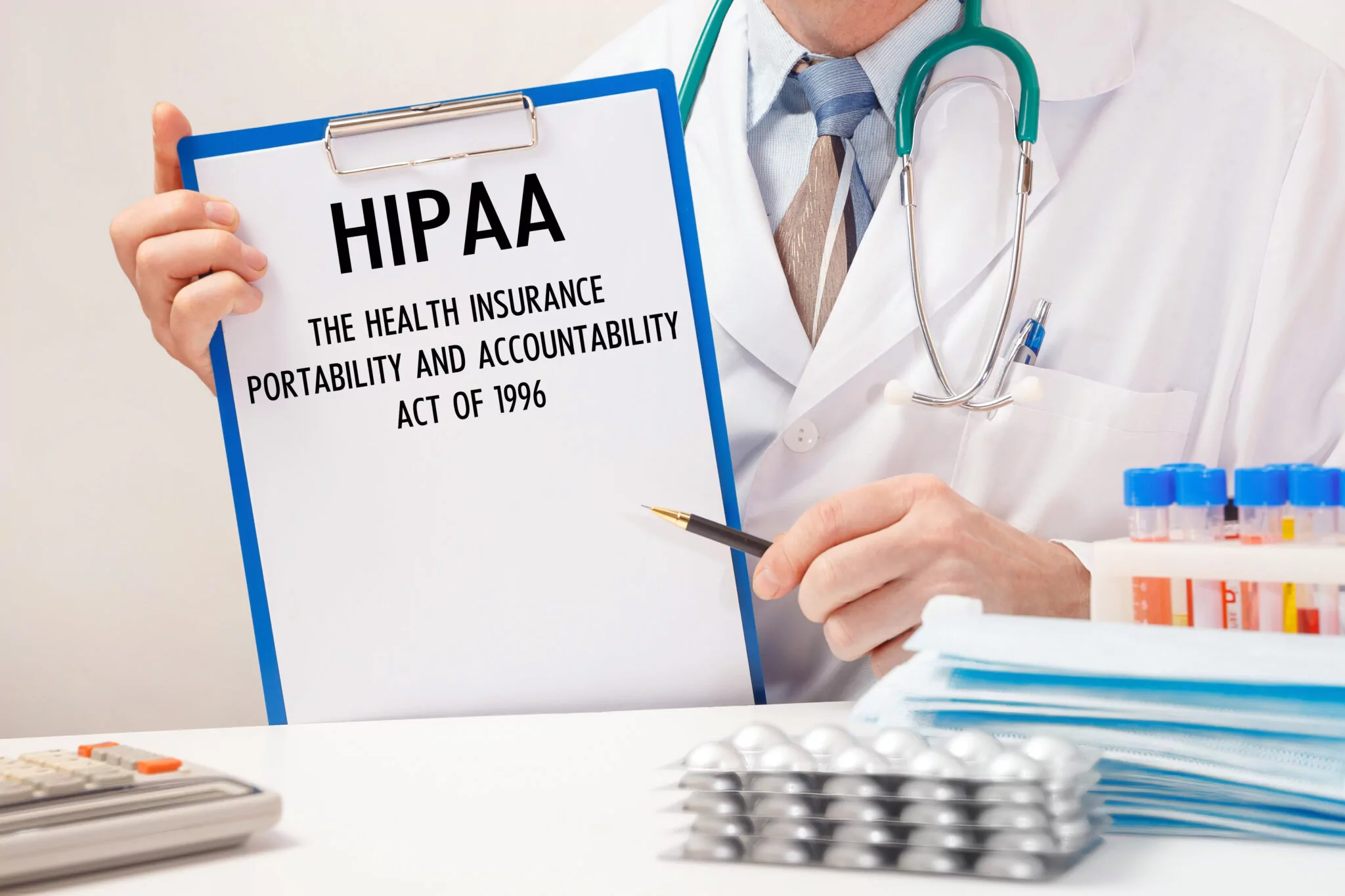
The legislation was introduced as the healthcare industry began shifting from paper records to digital systems for storing and transmitting patients’ health records and other protected documents. In today’s highly digitized world, HIPAA compliance is more important than ever.
Who Needs to Follow HIPAA Regulations?
It’s not just hospitals and clinics that need to develop HIPAA-compliant practices. Vendors and subcontractors working in the medical field also need to familiarize themselves with the legislation, since being HIPAA compliant is essential for any company that handles patient data. Basically, any company or individual that stores, sends, or uses consumers’ protected health information (PHI) must establish and execute a plan for keeping it safe.
Why Is HIPAA Compliance So Important?

Failing to comply with HIPAA standards can lead to costly data breaches, loss of patient confidence, and damage to a company’s reputation, in addition to hefty fines.
Here are just a few of the reasons it’s so important to ensure HIPAA compliance within an organization:
Build Trust
Patients need to feel they can trust their doctors—not only with providing accurate diagnoses and effective treatment plans, but also with their PHI. Similarly, hospitals, clinics, and private practices need to trust that the vendors and subcontractors they work with will treat patient data with the same care and respect. Compliance with HIPAA regulations helps reduce the risk of data breaches that can damage patient trust and allows healthcare facilities to identify reliable partners for managing sensitive data.
Avoid Fines
HIPAA compliance is not voluntary. All entities that handle PHI must establish and implement data security plans that meet the legislation’s stringent requirements. Failure to do so can result in hefty fines of up to $50,000 per violation.
Protect Profits

Support Proactive Data Protection
Healthcare organizations and the vendors that serve them can only scale up if they have the ability to protect ever-growing amounts of PHI. Implementing a proactive data management strategy protects the company from data breaches and allows the organization to adapt more effectively to emerging cybersecurity threats. HIPAA lays the groundwork for adopting new healthcare technologies without sacrificing patient data security.
How to Ensure HIPAA Compliance

Develop a Comprehensive Security Policy
The organization should have a comprehensive data security policy in place that applies to all employees. The policy should set expectations for the handling of sensitive data that guide daily activities and reduce human errors. Review the data security policy regularly and communicate changes to employees to keep everyone aligned.
Hire a Compliance Officer
Even small clinics and vendors should have compliance officers who can execute policies and employee training related to PHI. The compliance officer is responsible for establishing and enforcing Security Rule safeguards, addressing access control issues, conducting risk assessments, investigating data breaches, and integrating compliance into the company’s overall business strategies.
Conduct Internal Audits

Protect Data in Transit
Many data breaches occur while PHI is in transit to other authorized individuals. Working with HIPAA-compliant email and fax vendors ensures that data will be protected along the way. Take the time to secure relationships with reputable business associates and request documentation that asserts their compliance.
Establish Specific Training Protocols
HIPAA’s Privacy Rule stipulates that all new hires must be provided with specific training within a reasonable period after joining the workforce. All current employees should also receive ongoing HIPAA compliance training. It’s best to establish specific training protocols and entrust their implementation to the security officer.
Follow Breach Notification Requirements

If a breach occurs, organizations are required to provide notification to all affected individuals and, in some cases, the media.
If the breach affected more than 500 individuals, it must also be posted to a specialized portal maintained by the Health and Human Services Office for Civil Rights.
Also read:
- Founder of Quasa at the Crypto Conference in Skolkovo
- SEO for Education Websites
- Buying Cost-Cutting Equipment Wisely Saves You Even More
Don’t Underestimate the Importance of HIPAA Compliance
Whether an organization provides direct healthcare services to patients or works with hospitals and clinics in a capacity that requires handling patient data, HIPAA compliance is extremely important. Failing to protect patient PHI can result in hefty fines, reputational damage, and other forms of financial harm. Take the time to find an experienced security officer, implement appropriate safeguards, and make sure every employee understands the importance of following HIPAA regulations. Ensuring HIPAA compliance may require a reasonable investment of time and money, but it’s worth it to ensure that the organization will not be at high risk of a harmful data breach.
Thank you!
Join us on social media!
See you!
Subscribe to our newsletter
Get the latest Web3, AI, and crypto news delivered straight to your inbox.