
EU AI Labels Are Now Enforceable—Deepfakes Face a New Disclosure Test
|News| 46
Hello!

ExpressVPN’s study explores how deepfake-derived memories can distort personal recollections and undermine collective trust. Our memories define who we are—they guide our decisions and help us navigate the world. But what happens when those memories are no longer our own?
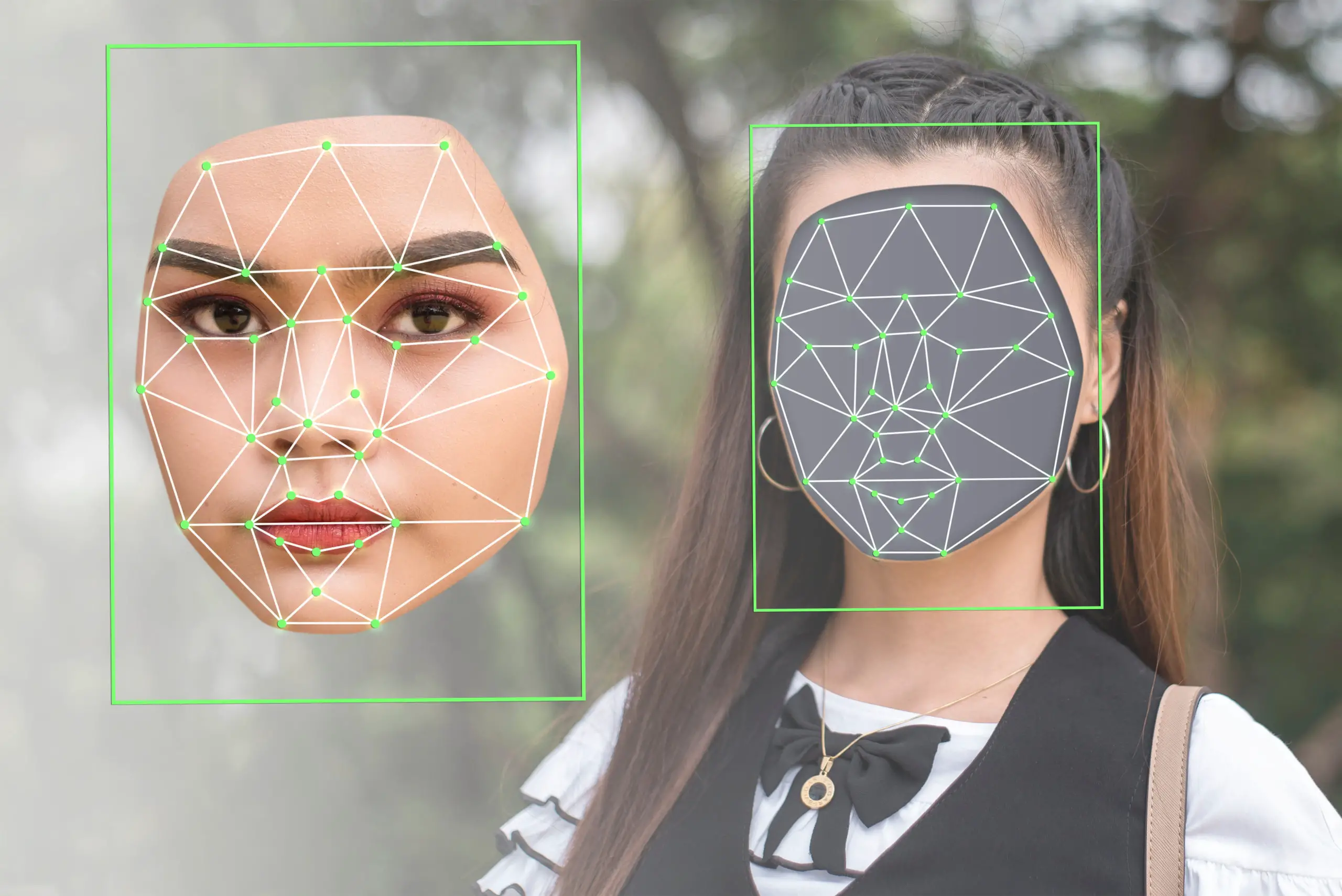
Deepfake tools now use sophisticated AI and machine-learning models to map facial expressions and body movements with remarkable precision. The result is hyper-realistic video that can be used to create fabricated news, misleading content, or even false personal memories.

In 2026, researchers at the University of California, Irvine, produced a deepfake video of former President Barack Obama delivering a speech he had never given. When shown to participants, many later recalled seeing the address on the news, demonstrating how easily deepfake content can rewrite personal memory.
Recognising deepfakes is the first line of defence. Watch for unnatural facial movements, mismatched audio and lip sync, inconsistent lighting, or content that feels oddly out of context. These subtle flaws often reveal manipulation.

The danger extends beyond individual misinformation. Deepfake videos could be used to wrongly implicate innocent people or exonerate the guilty, with serious consequences for the justice system. Once false memories take hold across a community, correcting the damage to reputations and lives becomes extremely difficult.
Combating this threat requires both awareness and technology. Staying alert to the possibility of manipulation, cross-checking sources, and supporting the development of reliable deepfake-detection algorithms are essential steps as the technology continues to evolve.

Thank you!
Join us on social media!
See you!


Get the latest Web3, AI, and crypto news delivered straight to your inbox.