Scope of AI in the High-Tech Industry
Hello!

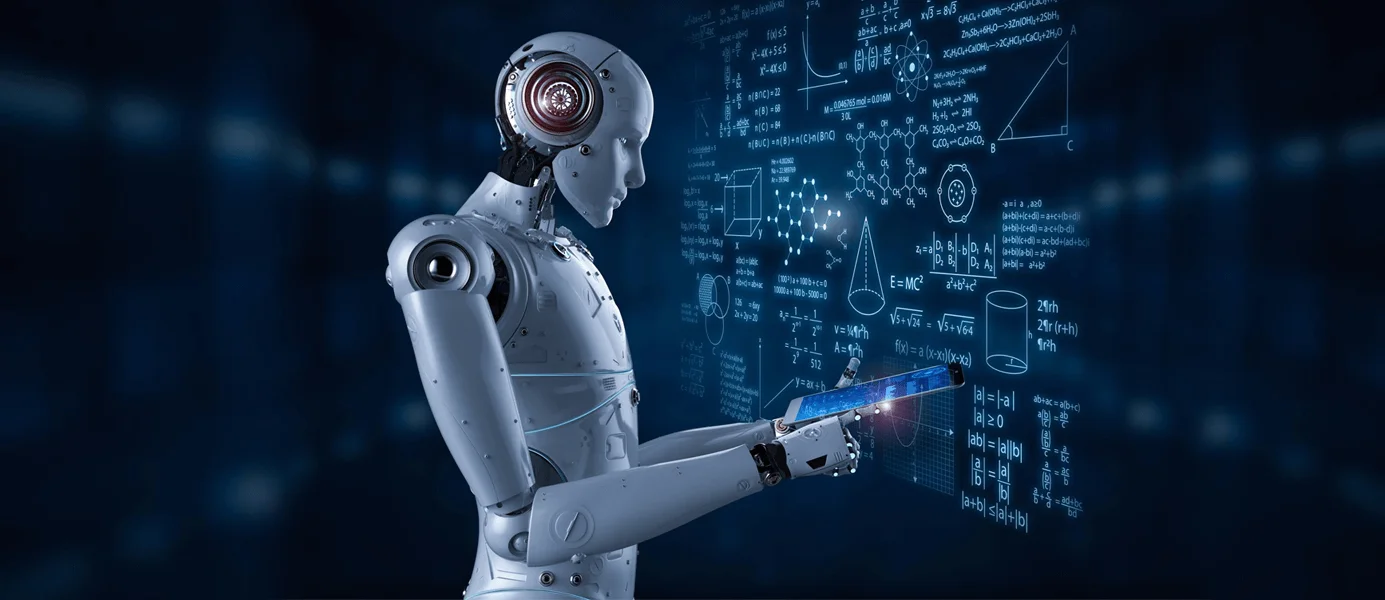
What does AI mean for high-tech companies? Is investing in the technology worthwhile? Will it eventually replace engineers? While artificial intelligence continues to advance rapidly, it is unlikely to fully take over high-tech mechanical and engineering domains in the foreseeable future. Instead, it is more likely to transform existing tools while complementing human expertise.
Artificial intelligence is evolving at an impressive pace and is already delivering remarkable results across multiple sectors. Leading examples include the sophisticated algorithms powering Google, Amazon, and Facebook.

This article explores how artificial intelligence could influence the high-tech sector and examines the key barriers to wider adoption.
Scope of AI in the High-Tech Industry
AI has already become integral to many areas of high-tech, with particularly strong momentum in computing and telecommunications. Recent advancements suggest significant potential, though engineering and biotechnical fields still require further development before large-scale integration.
Efficient Research

Bigger Database
AI systems can process and evaluate data far more quickly than the human brain, handling enormous volumes in seconds. They can also connect contemporary datasets with historical records spanning centuries, helping specialists extract valuable insights from massive information pools. Over time, these capabilities may position AI as a powerful assistant to data analysts.
Accuracy Guaranteed

Barriers to AI Adoption
Despite its promise, several obstacles continue to slow AI integration in high-tech industries.
Higher Resource Consumption
Implementing AI requires substantial investment in specialized hardware, software, and lengthy model training. Many projects carry high costs and uncertain outcomes, making some investors hesitant. As a result, high-risk AI initiatives are often viewed as less attractive options.
Long and Tedious Process

Dependence on Data
AI systems rely entirely on the quality of data they receive. They cannot independently verify information or detect errors in the input. Any inaccuracies introduced during data feeding can compromise or derail an entire model, representing a notable limitation for industries that demand reliability.
Insufficient Creativity

Also read:
- Why is Becoming Marketing More Difficult?
- How Automation can help Your Business Grow
- How To Keep Your Personal Finances From Affecting Your Business
Wrapping up
Artificial intelligence holds considerable promise for high-tech industries, especially in computing and telecommunications. However, meaningful progress is still needed before it achieves broad adoption in engineering and biotechnical domains.
Thank you!
Join us on social networks!
See you!
Subscribe to our newsletter
Get the latest Web3, AI, and crypto news delivered straight to your inbox.