
How EdTech is Transforming Education
|For newbies| 2591

Hello!
Learning is an inherent part of our lives. For centuries, education meant a teacher, a classroom, and learners absorbing new information. However, the rapid growth of technology is transforming educational processes daily. Let’s explore the most promising technologies shaping the future of education.

Electronic devices can store hundreds of textbooks in one compact gadget, reducing paper consumption and supporting environmental sustainability. They also support multiple file formats, including PDF, EPUB, and DOC.
Moreover, advanced tablets and e-readers provide internet access, enabling file sharing, online assessments, and instant research.

For example, during a geography lesson, teachers can showcase panoramic views of the Sahara Desert, Greenland, Madagascar, or major European cities.
Augmented reality is expanding rapidly and significantly boosts engagement and understanding.
Using AR glasses, smartphones, or tablets, users can scan surfaces to view 3D models of atoms, animals, or architectural structures. Students can also examine how mechanisms operate by viewing them through their devices.

Teachers can instantly share learning materials with entire classes. Students benefit from 24/7 access to submit assignments and complete tests from any location, eliminating the need for handwritten work.
Learners seeking additional support, such as those wondering “Who can write my paper for me cheap?”, can turn to professional online essay-writing platforms.
5G cellular technology is set to elevate education by enabling fast, high-volume data transfer on any compatible device, anywhere.

Combined with fast, unlimited internet access, cloud technology streamlines learning while cutting costs. Students no longer need individual dedicated devices; shared computers allow secure access to personal files via login.
External hard drives become unnecessary. Learners in fields like architecture or video editing can run complex computations on remote servers, avoiding the expense of high-performance desktops.

In education, teachers use them to demonstrate working mechanisms, such as gas engines, or to present 3D models of buildings.
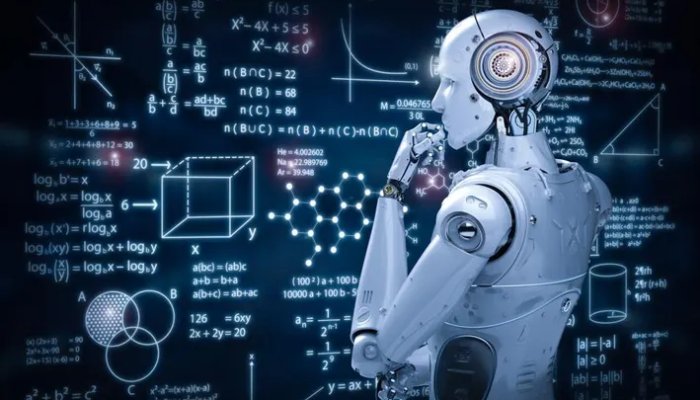
AI simplifies numerous educational tasks and accelerates learning. Teachers can delegate grading to focus more on individual student support.

AI also enables adaptive learning paths tailored to individual pacing, moving beyond one-size-fits-all approaches.
Also read:

Thank you!
Join us on social media!
See you!



Get the latest Web3, AI, and crypto news delivered straight to your inbox.