Mobile App Analytics: Overview of Systems and Metrics
Hello!

While ASO optimizes your app’s store page for visibility, tools like contextual advertising, targeted campaigns, and website SEO amplify reach. However, the backbone of sustainable growth lies in mobile app analytics, which provide actionable insights to refine strategies, fix issues, and boost profitability.
This article explores the importance of analytics, key metrics, tool selection, and competitive analysis to drive your app’s success in 2026.
The Importance of Mobile App Analytics

For example, analytics can uncover if users abandon your app after registration due to a clunky onboarding process or if a bug disrupts gameplay after a week. By identifying these “holes,” you can optimize functionality, enhance user experience, and make data-driven decisions that increase retention and revenue.
For developers, analytics simplify bug detection. Imagine a gaming app with strong initial downloads but high churn after a week. Analytics might reveal a leveling bug that frustrates players, allowing quick fixes. For marketers, analytics are the cornerstone of omnichannel strategies, integrating visual, social, and direct channels to move users through the sales funnel. Partnering with a mobile app marketing agency can streamline this process, leveraging expertise to build a cohesive analytical system that drives growth.
What Problems Can Analytics Solve?

- User Retention: Identify drop-off points (e.g., post-registration or after a week) to improve engagement.
- Advertising ROI: Evaluate if ad spend delivers quality traffic or requires adjustments.
- Bug Detection: Uncover technical issues, like crashes or slow features, that harm user experience.
- Feature Optimization: Highlight underperforming functionalities to refine or remove.
- Update Timing: Determine the best moments to release updates based on user behavior.
- Workload Planning: Streamline developer tasks by prioritizing high-impact fixes.
Without analytics, you’re guessing what works, wasting resources and missing growth opportunities.
Key Mobile App Performance Metrics
To build an effective analytics system, focus on these essential metrics:
- Engagement Metrics:
- Downloads and Installs: The baseline metric showing your app’s initial reach. High downloads signal strong ASO or ad performance but don’t reflect quality.
Activity Metrics:
- Daily Active Users (DAU): Counts unique users per day, regardless of session frequency.
- Weekly/Monthly Active Users (WAU/MAU): Tracks longer-term engagement trends.
- Daily Sessions per DAU: Measures how often users return daily, critical for apps expecting multiple sessions (e.g., social or gaming apps).
- Average Session Length (ASL): Indicates engagement depth—longer sessions suggest compelling content.
Retention Metrics:
- User Retention Rate: Percentage of users returning after their first interaction. High retention (e.g., 40% after 30 days) reflects quality and effective ads.
- Churn Rate: Percentage of users who stop using the app. A high churn rate (above 60%) signals issues like bugs or poor onboarding.
In 2026, with 36% of apps seeing churn rates above 50% within a week, tracking these metrics is critical to identify and address weaknesses.
Recommendations for Choosing Analytics Tools
Selecting the right analytics tool is pivotal for actionable insights. While many tools offer similar features, not all suit every app’s needs.

- Define Metrics and KPIs: Prioritize goals like retention, revenue, or engagement. Basic tools like Firebase cover standard metrics, but advanced platforms like Amplitude or Mixpanel offer niche KPIs like funnel drop-off rates.
- Track User Behavior: Choose tools that monitor usage frequency, session duration, and sales funnel paths to understand user journeys.
- Ensure Integrations: Opt for tools that sync with ad platforms (e.g., Google Ads, Meta), CRM systems, or ASO tools for seamless data flow.
- Enable Segmentation: Tools must allow audience segmentation by demographics, behavior, or location to tailor strategies.
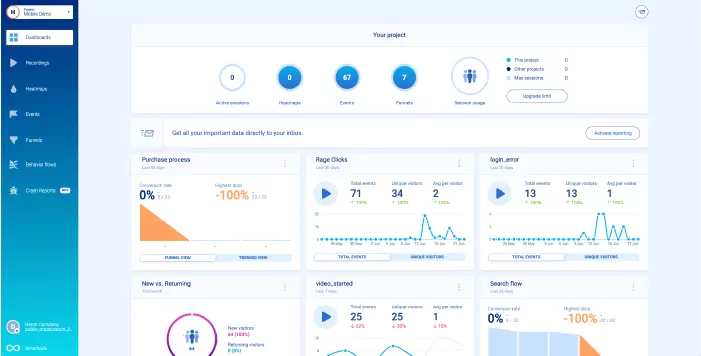
- Prioritize Visualization: Look for clear dashboards and graphs to simplify data analysis and client reporting.
- Focus on Privacy and Security: Ensure compliance with GDPR, CCPA, and regional data laws to protect user trust. In 2026, 68% of users prioritize privacy when choosing apps.
- Support A/B Testing: Select tools with testing capabilities to optimize campaigns and features.
Top tools for 2026 include Firebase (free, beginner-friendly), Amplitude (advanced segmentation), and Appsflyer (ad attribution). Avoid overloading with multiple tools — focus on one or two that align with your goals.
Competitive Analysis
Monitoring competitors is as crucial as analyzing your own app.

- Highlighting Market Gaps: Identify competitors’ strengths (e.g., seamless UI) and weaknesses (e.g., slow updates) to differentiate your app.
- Tracking Trends: Analyze competitors’ features or campaigns to adopt relevant innovations, like gamified onboarding popular in 2026.
- Refining Strategies: Learn from their successes (e.g., viral TikTok campaigns) and avoid failures (e.g., ignored bugs).
- Improving Products: Benchmark against competitors’ offerings to enhance features or pricing.
Tools like App Annie or Sensor Tower provide competitor insights, tracking downloads, revenue, and user reviews. For example, if a rival gaming app retains 50% of users after 30 days, analyze their retention strategies to improve your own.
Also read:
- Smart Tricks to Motivate Your Customers to Share Valuable Feedback
- Customize Fonts and Effects Easily in an AI Caption Generator
- How AI Tools Transform Visual Branding and Design
Conclusion

Choosing the right tools — aligned with your KPIs, integration needs, and privacy standards — ensures actionable data. Coupled with competitive analysis, a robust analytics system empowers data-driven decisions that propel your app up the App Store and Google Play rankings. Partner with a mobile app marketing agency to streamline this process, and watch your app thrive in the competitive digital landscape.
Thank you!
Join us on social media!
See you!
Subscribe to our newsletter
Get the latest Web3, AI, and crypto news delivered straight to your inbox.