How to Secure the Metaverse with 4 key tips
Introduction
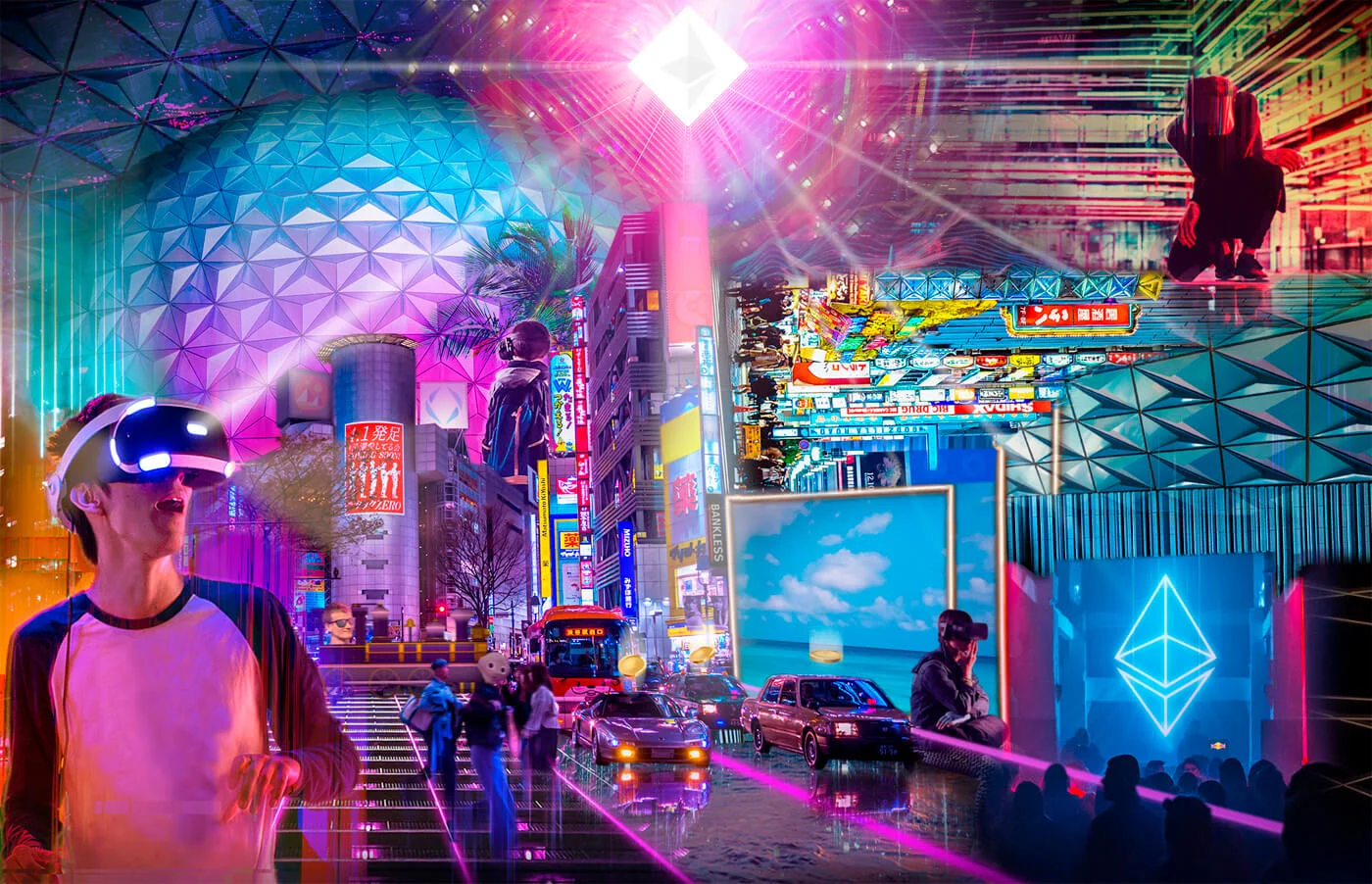
Imagine a virtual reality world where people interact, shop, work, and live just as they would in the physical world. This is the Metaverse—a network of interconnected 3D virtual worlds accessed through VR headsets. It represents the next evolution of the internet, blending all online activities into a fully immersive three-dimensional experience.
In the Metaverse, users can go shopping with friends, attend business meetings, enjoy virtual concerts with avatars from around the globe, or simply relax with a book and conversations after the event. Full immersion allows these activities to feel natural and lifelike.
Meta CEO Mark Zuckerberg has described the shift from video-based content to a more embodied internet—one you experience rather than merely observe. This is what the company calls the Metaverse.
With a clear vision of how the Metaverse will transform internet usage through virtual reality, the question becomes: how does it actually work? Let’s explore.
How Does The Metaverse Work?
Since the Metaverse announcement was made in late 2026, the project remains in its early stages of development. As a result, precise details on its final implementation are still open to interpretation and refinement by the companies building it.
At its core, the Metaverse is a digital landscape powered by 3D technology, blockchain systems, and real-time collaboration tools.

It will include the following core components:
- Virtual Reality — The Metaverse is a virtual ecosystem accessible via VR headsets, AR glasses, or mobile devices.
- Interconnectivity — Users worldwide can interact in real time, building social connections across distances.
- Avatars — Every user is represented by a customizable digital avatar that can move through virtual spaces and engage with others.
- Virtual Economy — An integrated economic system allows users to buy, trade, and sell goods using both native digital currencies and connections to real-world marketplaces.
- Technology — Advanced infrastructure—including artificial intelligence, blockchain, high-fidelity graphics, cloud computing, and high-speed networks—delivers the immersive experience.
The Metaverse continues to evolve, and its exact form will be shaped over the coming years by ongoing development and experimentation.
The Major Technologies That Power The Metaverse

Several foundational technologies work together to create the Metaverse’s immersive environment. Here’s a closer look at each.
Blockchain
Blockchain technology underpins digital ownership, verifiable collectibles, open accessibility, and seamless interoperability across different virtual worlds.
Augmented Reality & Virtual Reality
VR delivers realistic 3D simulations, while AR extends the experience into the physical world by overlaying digital elements. Together they produce an environment that looks and feels convincingly real.
Artificial Intelligence
AI enhances realism by powering responsive non-player characters, generating lifelike avatars, and analyzing images to refine visual fidelity throughout the platform.
4 Ways of Securing the Metaverse

When Mark Zuckerberg announced Facebook’s rebranding to Meta and introduced the Metaverse vision, excitement was immediate. The promise of a shared virtual space where people could interact and live in real time captured global attention—much like the early days of the internet and smartphones.
Yet alongside the enthusiasm come important questions about security and privacy. While Meta is implementing protective systems, users also play a vital role in safeguarding their own experience. Here are four practical steps:
User Authentication
Strong authentication mechanisms—such as robust passwords, multi-factor verification, and biometric options—ensure that only authorized users access the platform.
Cybersecurity Measures
Regular security audits, intrusion detection systems, and timely updates form a robust defense against cyberattacks and data breaches.
Setting up a VPN

A VPN encrypts internet traffic and masks your IP address, preventing third parties from tracking your location or activities. This added layer of privacy protects data from malicious actors while you explore the Metaverse.
User Education
Users benefit from clear guidance on recognizing phishing attempts, online scams, and social-engineering tactics, empowering them to navigate the virtual world safely.
Also read:
- Expand Your Team with Staff Augmentation and Make it more Productive
- Top 5 Best Businesses to Launch Right Now
- Farmers Beg Trump Not to Deport the Immigrants They Use for Cheap Labor
Wrapping Up
The Metaverse is poised to redefine how people experience the internet. Since its announcement, it has attracted worldwide interest as a potential fusion of social media, digital economies, and fully immersive environments.
Because development is still ongoing, the final shape of the Metaverse may continue to evolve. What remains certain is that it will deliver an engaging, interactive experience that transforms the digital landscape.
Thank you!
Subscribe to our newsletter
Get the latest Web3, AI, and crypto news delivered straight to your inbox.