How To Prevent Credit Card Fraud
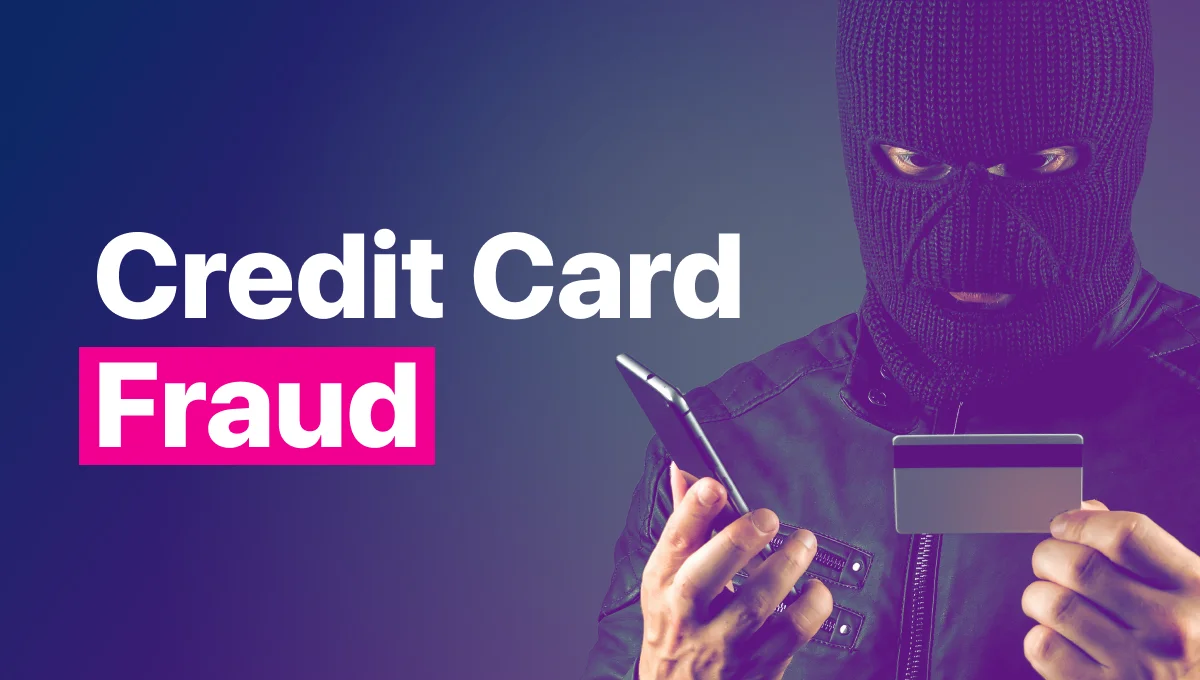
Hello!
The world is marching forward in an unstoppable trajectory towards a cashless society. In February 2026 alone there were 1.7 billion debit or credit card transactions in the UK. Of this, 1.2 billion transactions were made by contactless payment.

The trend also fuelled a surge in online shopping. This peaked in February 2026 when online purchases accounted for 36.5% of all retail sales.
Privacy and Security Trade-offs
However, the convenience of online shopping and card payments comes with compromises. Cash offers a degree of anonymity, whereas digital transactions leave a traceable record. Purchase data can be collected and sold as valuable customer insights.

This article outlines practical steps to avoid credit card fraud and explores alternative solutions that also help protect personal privacy.
What Are the Best Ways to Stop Credit Card Fraud?
The first layer of protection rests on personal responsibility. Staying vigilant about the information you share is essential.
How Do I Stop Credit Card Fraud by Keeping Details Private?
Never share personal information linked to your credit card accounts. This includes your PIN and online banking login credentials.

Dispose of old cards and statements securely. Cut through the chip and magnetic strip before discarding, and shred paper statements. With the rise of paper-only recycling bins, fraudsters have easier access to discarded documents.

Finally, never let your credit card leave your sight, as it could be skimmed or stolen.
How Do I Stop Credit Card Fraud When I Am Online?
Keep your devices protected with up-to-date antivirus software and use strong, unique passwords combining letters, numbers and symbols. Avoid reusing passwords across accounts.

Steer clear of public Wi-Fi for transactions; use your home network or mobile data instead. Always log out fully when using shared computers.
Is There a Better Alternative to Credit Cards?
Virtual credit cards have emerged as a modern solution that addresses many security and privacy concerns.

In the event of a data breach, only a tokenised ID is exposed, not your actual card details. Personal information cannot be sold on because no traceable data is shared. Authorisation relies on Mastercard 3D Secure and biometric verification (Face ID or Touch ID), eliminating the need for a PIN and rendering fraud virtually impossible.
For in-store use, add the virtual card to digital wallets such as Apple Pay or Google Pay. Like conventional credit cards, virtual versions are issued only after a credit check.
How to Prevent Credit Card Fraud: Summary

While cash once provided anonymity, digital payments surrender data that can be monetised. The risk of fraud also rises when card details fall into the wrong hands, and banks themselves remain potential targets of cyberattacks.
Protecting yourself begins with personal responsibility. Control the information you disclose:

- Share private information on social media
- Give anyone login details or PIN
- Respond to unsolicited emails, calls or visits
- Discard old cards or statements without destroying them
- Provide your card issuer with an incorrect address
- Leave your card or details unattended
When shopping online, take extra precautions:

- Use updated antivirus software
- Create strong, unique passwords
- Shop only on secure (HTTPS) sites
- Verify businesses through official registers
- Avoid public Wi-Fi
- Log out of all accounts when finished
Virtual credit cards offer robust additional protection. Because your personal data is not shared and transactions require biometric authentication, the likelihood of fraud drops dramatically—even if card details are compromised. This approach also preserves privacy.

We invite you to our blog QUASA MEDIA, where you will find a lot of useful information. Join our telegram chat.
See you!
Subscribe to our newsletter
Get the latest Web3, AI, and crypto news delivered straight to your inbox.