How To Pack Your Belongings for Storage
Hello!

Keep reading to discover the best tips and tricks for preparing your items for safe, organized storage.
What Are The Common Uses For Storage?
Anyone can use self-storage units. These facilities are popular for personal storage, allowing individuals to keep furniture, clothing, and other household items. Many people also rent units to store vehicles, which is especially useful for city dwellers without access to a garage or driveway.
Another common application is business storage. This can include office supplies, furniture, marketing materials, equipment, or products that a company needs to keep but doesn’t have space for. Storage units are also ideal for temporary needs, such as during a move or while renovating a home.
How Do You Pick A Suitable Storage Facility?

Next, select the right unit size. A unit that’s too small won’t accommodate everything you need, while one that’s too large means paying for unused space. Start by measuring the length, width, and height of your items, then calculate the total square footage required. Large furniture will need more room, whereas smaller items like clothing can fit in a more compact unit.
Compare prices across facilities and ask about discounts for prepayment or long-term leases. For long-term storage, climate-controlled units are highly recommended to prevent weather-related damage to your belongings.
How Do You Pack Your Belongings For Storage?
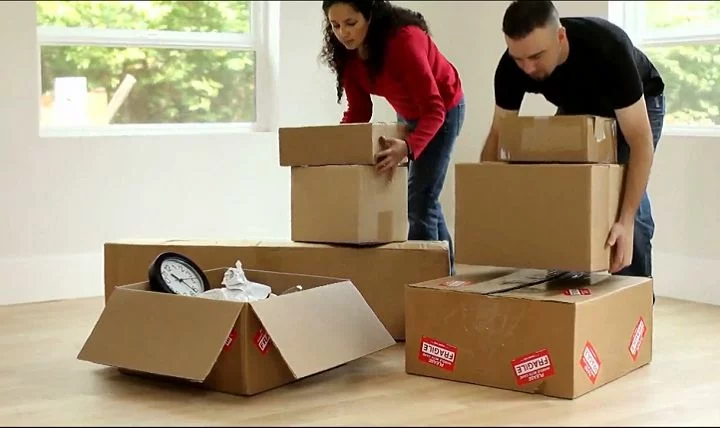
Packing correctly ensures your possessions remain safe, organized, and easy to access later. Begin by sorting items into categories—clothes, kitchen supplies, toys, and so on. Label each box with its contents and maintain a master inventory list. This simple step helps you track everything and makes filing an insurance claim easier if anything is damaged or missing.

How Should You Unload Items In A Storage Unit?
When unloading, plan ahead to avoid feeling overwhelmed. Take your time and handle items carefully to prevent damage or injury. Using a dolly or hand truck makes moving heavy objects much easier and safer.

Conclusion
Unless you have only a few items, there’s no need to unload everything in a single day. Spread the work across multiple visits if necessary, and allow yourself enough time to do the job carefully. This approach reduces stress and helps prevent mistakes.
Thank you!
Join us on social media!
See you!
Subscribe to our newsletter
Get the latest Web3, AI, and crypto news delivered straight to your inbox.