How to Choose Generator for Power Tools: Detailed Guide
Hello!

3 Types of Generators

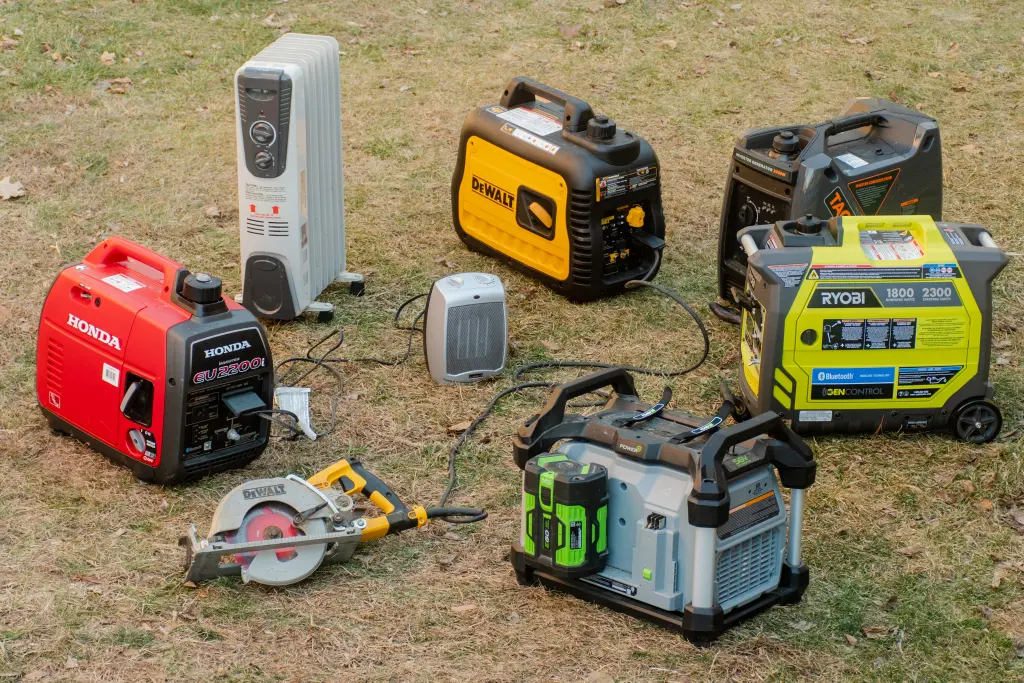
- Portable generators handle refrigerators, power tools, and spray systems. Typically fueled by diesel or gasoline, they deliver temporary power ideal for outdoor work.
- Inverter generators quietly supply laptops and batteries. They produce less power yet protect sensitive electronics from voltage spikes.
- Standby generators serve hospitals and critical facilities. Permanently installed and equipped with an automatic transfer switch, they are not designed to be moved.
Choosing a Generator: Practical Tips
The following recommendations will help you select the generator that truly matches your requirements. Each tip is straightforward to apply.
Maximum Power Output

Fuel Type

- Gasoline remains the most common choice. It performs reliably and is simple to obtain, yet it has a shelf life of roughly 12 months, must be stored safely away from children, and performs poorly in cold climates.
- Diesel suits larger units of 5000 W and above. It costs less than gasoline, stores for extended periods, and works well in cold weather. Drawbacks include increased noise and higher emissions. Dual-fuel models combining diesel and gasoline are also available.
- Propane (LPG) offers quieter operation and lower emissions. Refueling is as easy as swapping cylinders, runtime is extended, and fuel can be stored almost indefinitely. These units usually carry a higher purchase price.
Power Quality
Power tools require clean, stable electricity. Fluctuations can damage sensitive electronics and lead to costly replacements. Look for models equipped with automatic voltage regulation (AVR) to maintain steady output.
Operating Environment
If you expect wet or dusty conditions, choose a generator with larger wheels and weather-resistant housing. Protection against rain and moisture helps safeguard both the unit and your tools.
Price Considerations

- Electric start—convenient but not essential if you prefer a recoil starter.
- EcoThrottle—reduces fuel consumption and noise during lighter loads.
- Switchable voltage—supports both 110 V and 240 V outlets.
- Wheels and handles—useful only if frequent relocation is required.
Also read:
- Why Should You Always Finish Reading Difficult Content?
- QUASA: Powered by CoinGecko
- Fax vs. Email: When Should You Use Online Faxing?
Selecting the Right Generator for Tools
The final decision rests with you. Revisit the points above whenever you feel uncertain. If maximum power is not required, a 500-W model may suffice; otherwise, consider units up to 700 W. Choose the fuel type most readily available in your area and add only the extra features you will actually use.
Thank you!
Join us on social media!
See you!
Subscribe to our newsletter
Get the latest Web3, AI, and crypto news delivered straight to your inbox.