Skin-Rejuvenating Peptides: The Type Matters Less Than the Formula
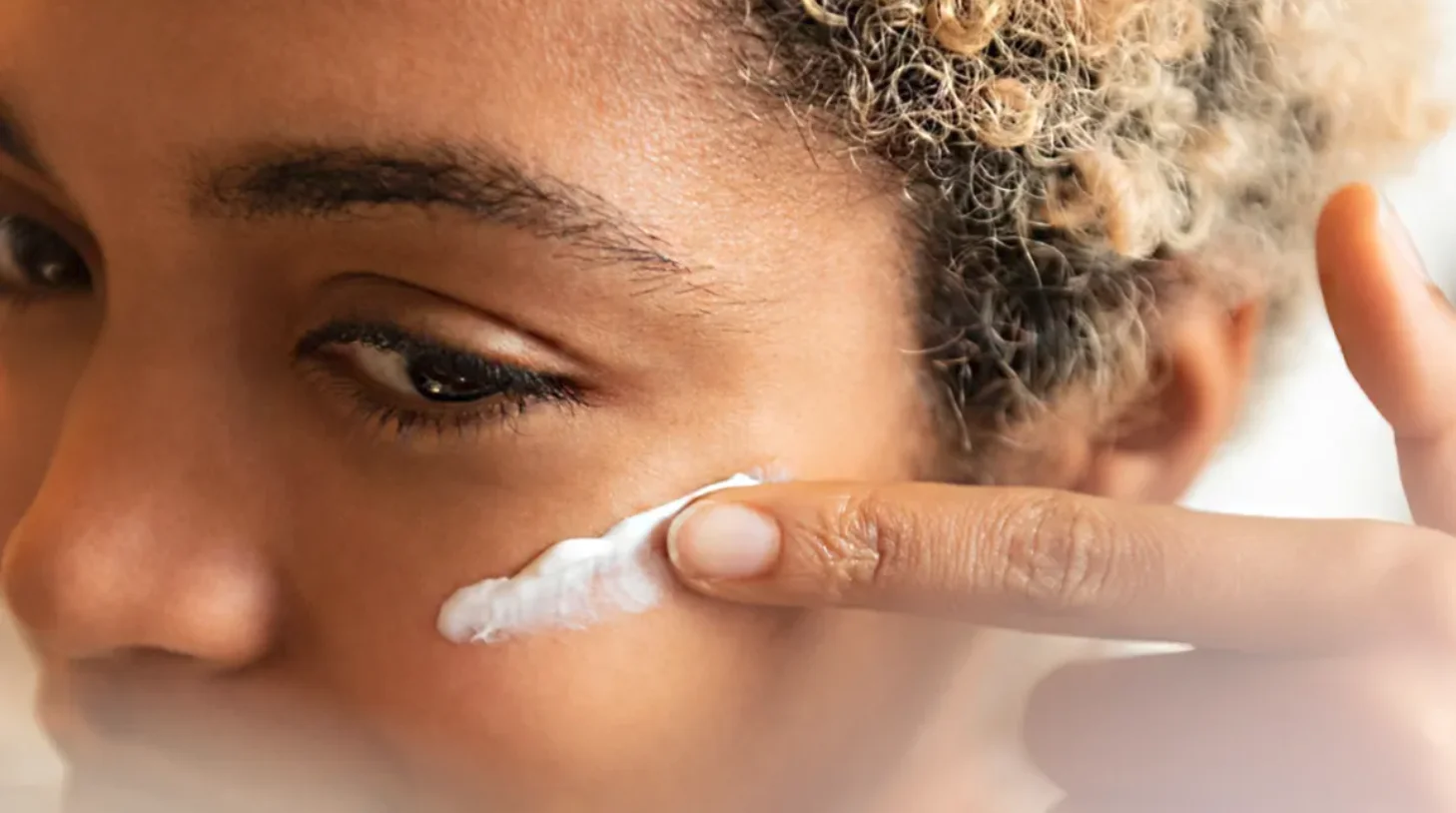
Topical peptides remain plausible skincare ingredients, but the newest evidence does not support choosing a product by peptide category alone. A March 2026 systematic review included 19 randomized trials, yet only two high-quality topical studies qualified; oral interventions dominated the evidence, and the topical subgroup produced a smaller, statistically non-significant effect on wrinkles.
The familiar labels—signal, carrier, neurotransmitter-inhibiting and enzyme-inhibiting—still describe meaningful differences in intended mechanism. What they cannot reveal is whether a peptide survives inside a particular product, crosses the skin barrier in a useful amount or produces a visible benefit in the finished formula. The practical distinction is between a plausible ingredient and a demonstrated product.
What peptide categories describe
Peptides are chains of amino acids, but the term covers molecules with different structures and biological roles. Cosmetic classifications group them by the process they are designed to influence, not by proven strength or clinical performance.
A 2025 clinical review of topical peptides describes five functional groups: signal, carrier, neurotransmitter-inhibiting, enzyme-inhibiting and antimicrobial peptides. It also identifies heat, light, oxygen and enzymatic degradation as threats to peptide stability, illustrating why a promising molecule does not automatically become an effective skincare formula.
Signal peptides target structural messaging
Signal peptides are designed to imitate or influence biological messages associated with extracellular-matrix components such as collagen and elastin. Palmitoylated peptides attach a fatty-acid component to an amino-acid chain, a modification intended to improve compatibility with topical delivery.
This group is commonly associated with claims about firmness, texture and fine lines. The mechanism supplies a scientific rationale, but “signal peptide” is not a standardized potency grade: two ingredients in this category may have different sequences, targets, concentrations and delivery characteristics.
Carrier peptides bind another substance
Carrier peptides bind and transport a substance involved in biological processes. Copper tripeptide-1 is the best-known cosmetic example, combining a small peptide with copper ions.
The category describes that peptide–mineral relationship; it does not establish that every product containing copper tripeptide-1 repairs damaged tissue or performs like a medical wound treatment. Color is not evidence either: a copper-colored serum may contain other pigments, while appearance says nothing about dose, stability or delivery.
Neurotransmitter-inhibiting peptides are not topical Botox
Neurotransmitter-inhibiting peptides, including acetyl hexapeptide-8, are intended to influence signaling associated with superficial facial movement. Products containing them are often positioned for expression lines, where repeated movement contributes to the visible crease.
Comparisons with botulinum toxin obscure a fundamental difference. A cosmetic is spread across the skin, whereas botulinum toxin is a purified drug injected into selected tissue by a qualified professional. Evidence of a gradual change in line appearance would not demonstrate equivalent delivery, muscle paralysis or clinical effect.
Enzyme-inhibiting peptides aim to slow breakdown
Enzyme-inhibiting peptides are designed to reduce the activity of enzymes involved in degrading components of the extracellular matrix. The category therefore focuses on preservation rather than sending a signal to create new structural material.
Laboratory inhibition of an enzyme is only one part of the evidence chain. A topical ingredient must remain chemically available, reach the relevant site and act at an adequate concentration before that mechanism can plausibly affect visible skin.
Antimicrobial peptides belong to a separate branch
Antimicrobial peptides interact with microorganisms and are part of broader peptide classification systems. Their experimental activity should not be converted into an acne-treatment claim without appropriate human evidence for the specific formulation.
This distinction matters because acne is a multifactorial skin condition, not simply the presence of bacteria on the surface. A cosmetic ingredient with antimicrobial properties is not automatically interchangeable with an approved medicine or a clinician-directed treatment plan.
Why the complete formula matters more
A peptide must tolerate manufacturing, packaging and storage before application. It must then leave the product vehicle, remain available on the skin and reach its intended target in sufficient quantity. Molecular size, electrical charge, water solubility and chemical modification can affect that journey.
Products listing the same peptide may use different concentrations, vehicles, supporting ingredients and packaging. Conversely, a long list of fashionable peptides does not show that any one of them is present at an effective dose. Ingredient count is therefore a poor substitute for testing the marketed formula.
Product-level controlled evidence is more informative than a result obtained from an isolated ingredient in cultured cells. A useful trial defines its comparison group and outcome, states the number of participants and duration, controls imaging conditions where photographs are used, and accounts for adverse events. An unexplained percentage supplies too little context to judge the result.
What results remain realistic
The most defensible expectation is a gradual and potentially modest change in qualities such as fine-line appearance, roughness or hydration. Peptide cosmetics cannot replace lost facial volume, and the evidence does not establish one functional category as the universal winner for skin rejuvenation.
Hydration can also make fine lines temporarily less noticeable without demonstrating new collagen formation. That surface effect may still be useful, but it should be described accurately rather than presented as proof of deeper structural change.
Results from one named peptide or proprietary blend cannot be transferred to every ingredient in the same group. The relevant evidence must match the actual peptide, route of delivery, formula and outcome being claimed.
Cosmetic claims have a regulatory limit
In the United States, FDA guidance on anti-aging products treats moisturizing or making wrinkles less noticeable as cosmetic purposes, while an intended effect such as removing wrinkles or increasing collagen production may place a product in drug or medical-device territory. Ordinary cosmetics are not subject to FDA premarket approval for effectiveness.
Shelf availability therefore does not confirm that a peptide product has clinically demonstrated a collagen, repair or “Botox-like” promise. Functional categories clarify what an ingredient is intended to do; stability, delivery and controlled evidence for the complete formula determine how seriously its promised result should be taken.
Also read:
Subscribe to our newsletter
Get the latest Web3, AI, and crypto news delivered straight to your inbox.