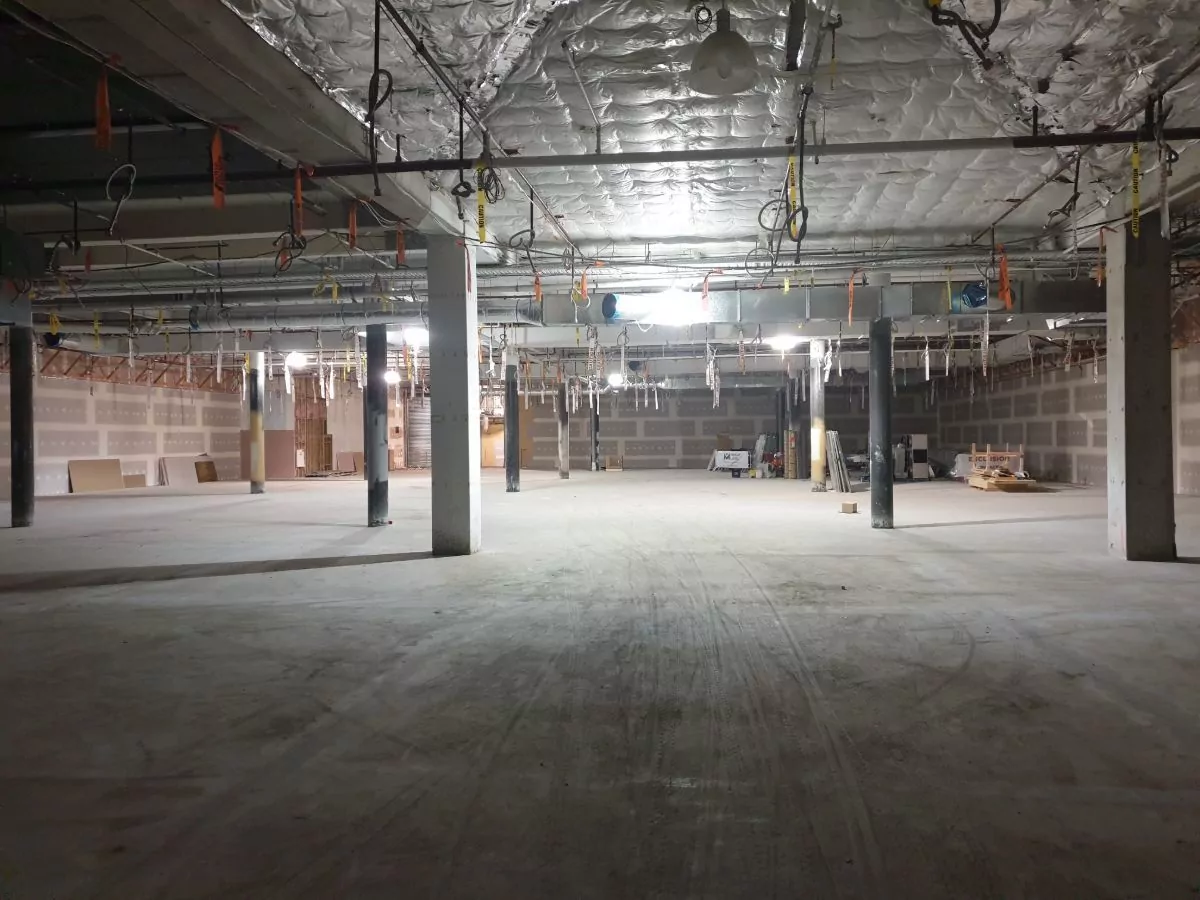
Earthquakes represent the rapid shaking of the ground triggered by the sudden movement of rocks and tectonic plates deep underground. Although the Earth’s surface may seem solid, its crust is dynamic: stress gradually builds along faults and plate boundaries over long periods. When this pressure is released, seismic waves radiate outward, shaking the surface across wide areas. Aftershocks often follow the main event, adding further stress to already damaged structures. Experts have identified several U.S. regions especially prone to seismic activity, yet earthquakes can technically occur almost anywhere. In a country filled with permanent steel, glass, and concrete buildings, earthquake strengthening is essential to limit widespread damage and protect lives.
Regularity: The Key to Balanced Structural Performance
This characteristic refers to how evenly a building moves in lateral directions when subjected to forces. Structural engineers and safety specialists aim for balanced movement so that energy is distributed uniformly throughout the structure rather than concentrating stress on any single side. A building with irregular geometry can reveal hidden weaknesses as it sways; these weak points may fail first, leading to concentrated damage that threatens the integrity of the entire framework.
Another vital safety principle is redundancy—providing multiple load paths so that if one element fails, others can carry the load. While adding redundant systems increases initial construction costs, they can prevent catastrophic losses during a major event. Professionals therefore recommend distributing mass and strength evenly across the building so that overall stability does not depend on any single component.
Stable Foundations
Regardless of external threats, a stable foundation remains the most critical feature of any large structure. It determines the building’s long-term survival and provides the first line of defense against seismic forces. Different sites possess unique soil characteristics that dictate how foundations must be designed and reinforced. Before construction begins, specialists carefully analyze how the ground responds to movement. Buildings engineered to withstand severe earthquakes typically incorporate driven piles and deep foundations. These elements are then tied together into a single, monolithic unit so they move as one during shaking.
Equitable Vertical and Lateral Strength
When designing earthquake-resistant structures, experts emphasize the need for adequate vertical and—especially—lateral stiffness and strength. Buildings naturally handle vertical loads well, yet they are far more vulnerable to the horizontal forces generated by earthquakes. Although structural engineers always account for gravity loads, the additional lateral forces produced by seismic events must be anticipated. During an earthquake, a building may shift rapidly from side to side; without proper lateral resistance, it can quickly become unstable and suffer severe damage.
Thank you!
Join us on social media!
See you!
Share:
Subscribe to our newsletter
Get the latest Web3, AI, and crypto news delivered straight to your inbox.