
Your Business Blog Needs Two Structures: Discovery and Decisions
A useful business blog needs both a navigable content system and a repeatable article template. Build them together so readers can find the right answer and act on it.
|Business| 1141
A useful business blog needs both a navigable content system and a repeatable article template. Build them together so readers can find the right answer and act on it.

A blog becomes too promotional when brand messaging displaces the reader’s problem and a usable answer. This audit distinguishes helpful product context from sales copy.

Want to ensure you're investing in the right business assets? This guide will help you understand the most common software for every enterprise, regardless of industry niche.

Engaging SaaS posts start with a reader’s decision, not an empty publishing slot. Product evidence, disciplined editing, and measurement turn that decision into useful content.

A 2025 buyer study found that 95% of B2B purchases came from day-one shortlists. Inbound now has to create early preference, not merely collect more form fills.

AI can accelerate blog production, but human judgment still supplies the evidence, accountability and distinctive point of view that turn a usable draft into valuable content.
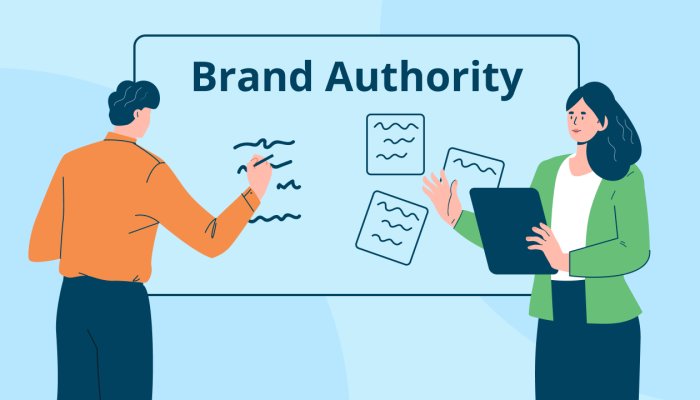
Blogging can strengthen a brand’s authority, but publishing volume is not proof of expertise. Build a useful, attributable body of work whose claims readers can verify.

Blog marketing can still earn valuable editorial links, but the workable strategy is now narrower: publish reference-worthy assets, pitch them selectively and avoid manipulative placements.

A San Francisco SEO agency is not automatically the best choice. Its advantage appears only when Bay Area knowledge improves targeting, business information and measurement.

A business blog remains useful, but only when each article serves a defined commercial job. Build it around customer decisions, proprietary knowledge and job-specific metrics.

One of the hardest largest modern roadblocks that a new corporation faces is gaining some sort of presence online.

Established businesses need more than a publishing cadence: a useful blog requires clear commercial goals, accountable owners, expert input, and measured outcomes.

A corporate blog remains a useful marketing channel, but posts need a defined audience, an accountable owner, deliberate distribution and metrics tied to business decisions.

How do you convert your site visitors into leads?

Corporate blogging still produces returns for many businesses, but measurement is the constraint: teams need defined conversion paths, complete costs and CRM evidence before claiming ROI.