Best 10 Online Store Management Tools for Entrepreneurs
Hello!
The future of e-commerce looks exceptionally promising, with the industry expanding at an unprecedented pace. The global e-commerce market is projected to reach $6.54 trillion in sales by the end of 2026.
Whether you’re scaling an existing business or launching a new online store in partnership with an e-commerce development company, the right Online Store Management Tools are essential for achieving your goals.
Choosing the Right Platform

Partnering with a professional e-commerce development company ensures you receive exactly what you’re paying for. However, if you have an in-house development team, this guide will help you evaluate the top options available today.
Top Online Store Management Tools
1. Shopify
Shopify is the world’s largest e-commerce platform, trusted by thousands of brands to sell products and services. It enables you to launch a fully functional online store in minutes.
The platform features a powerful drag-and-drop layout builder for effortless store design and customization. Inventory limits are unrestricted, allowing you to add unlimited products. Shopify delivers a beautiful, intuitive interface that performs seamlessly across mobile devices, tablets, and desktops.
You can select from thousands of free or paid themes or upload your own custom design. The platform also makes it straightforward to optimize your store for increased sales.

- A real-time dashboard for monitoring performance
- A customizable checkout process integrated with PayPal or Stripe
- Automated shipping tools that calculate costs based on cart contents
- Comprehensive reporting to track monthly product profitability
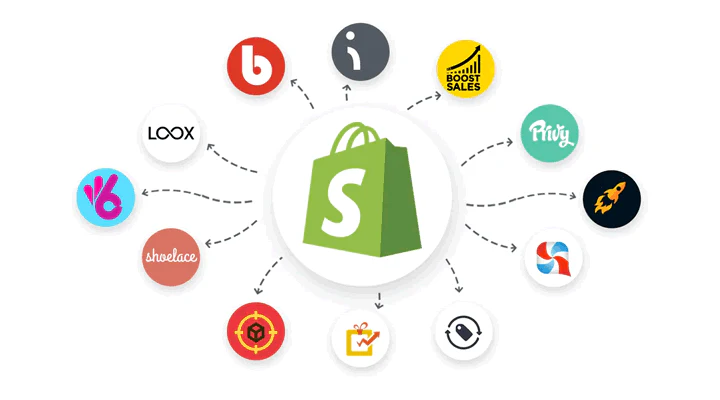
- Access to over 8,000 integration apps for multichannel selling, design, and store management
Shopify supports multiple payment processors, including PayPal, Stripe, and Braintree, enabling quick and seamless customer payments.
2. WooCommerce

The platform handles both digital products (eBooks, music, video clips) and physical goods (custom t-shirts, phone cases, hoodies). You can create product variations and configure automatic shipping rules for each option. A built-in shopping cart and support for PayPal and credit card payments make the checkout process simple for customers.
Additional extensions are available for affiliate programs, product reviews, and advanced content management.
3. BigCommerce

Key features include SEO tracking across major search engines and social platforms, built-in shipping rates based on location and weight, and easy inventory management with low-stock notifications.

4. Wix
Wix provides powerful e-commerce capabilities through its intuitive site builder. You can create and manage an online storefront in minutes without any coding knowledge. The platform is accessible from any device with an internet connection and offers a wide selection of professional templates that can be customized with widgets for an improved user experience.

5. Magento
Magento is an open-source e-commerce platform developed by Magento Inc. in Europe. It powers more than 30% of all e-commerce websites worldwide and serves over 30,000 merchants, offering a flexible solution for businesses of all sizes.

6. Squarespace
Squarespace combines an elegant website builder with robust e-commerce tools. Its drag-and-drop interface and ready-to-use templates allow you to create a professional online store without programming skills. The platform includes uploads, analytics, and e-commerce functionality, plus 24/7 live chat support.

7. Easy Digital Downloads
Easy Digital Downloads is a WordPress plugin designed specifically for selling digital products such as PDFs, eBooks, audio, video, and software. Customers simply enter their email address, select their preferred file format, and receive an instant download link after purchase.

8. Shift4Shop
Shift4Shop is a comprehensive online store management platform that supports both physical and digital products. It offers tools for inventory updates, order management, shipping, and more, with a user-friendly interface accessible on desktop and mobile devices.

9. Ecwid
Ecwid provides a customizable, user-friendly platform for creating online stores and blogs. It offers hundreds of free and premium templates that include shipping rates and packaging options, eliminating the need to hire designers.

10. OpenCart
OpenCart delivers a user-friendly interface for building and managing online stores. It supports over 500,000 active installations worldwide and is available in multiple languages.

Conclusion
When building an e-commerce business, careful planning and platform selection are crucial. The chosen solution must scale with your requirements while aligning with your business model, team’s technical expertise, and marketing budget.
No single platform suits every industry. A dropshipping business with limited marketing resources will require different tools than a branded product store with a substantial marketing budget. Ultimately, your specific needs determine the best e-commerce management tool.
Thank you!
Join us on social media!
See you!
Subscribe to our newsletter
Get the latest Web3, AI, and crypto news delivered straight to your inbox.