5 Smart way to improve and Manage Customer Flow
Hello!

Effective customer management is therefore central to long-term growth and profitability. Even when your product or service is excellent, poor customer experience often prevents satisfaction and retention.
For businesses with a physical location—such as hotels, bookstores, supermarkets and similar venues—customer experience depends heavily on how well you manage the flow of visitors.
What is customer flow management?
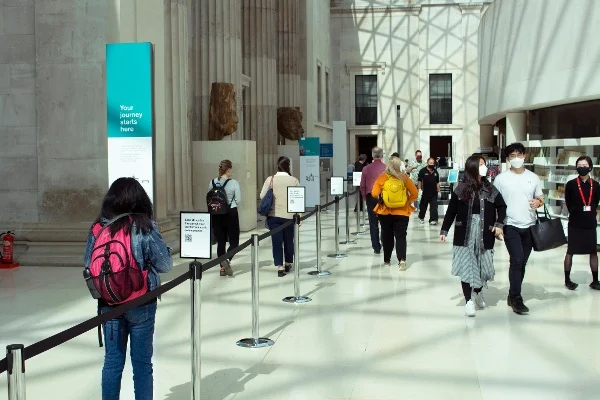
Customer flow management refers to the strategies and systems used to handle customers efficiently while they wait in line.
Queue management has always been vital for customer satisfaction, and its importance has grown even further in the years following the pandemic.

- Reduced staff productivity
- Lower customer retention rates
- Potential loss of customers
5 Smart Ways to Improve and Manage Customer Flow
1. Make customers feel safe and secure

2. Reduce waiting time
In 2026 many businesses continue to operate with leaner teams, which can increase service times. To offset longer waits, find creative ways to engage customers while they queue so the wait feels shorter.
Simple distractions work well: supermarkets, for example, can place small impulse items such as chocolate or batteries near the line to capture attention and add value.
3. Communicate clearly
For instance, a restaurant that tells guests how long they will wait allows them to decide whether to stay or return later. This transparency improves the customer’s perception of fairness and often makes the wait more acceptable.
4. Organise queuing

Favouring regular customers may seem helpful in the short term, yet it risks alienating new visitors who could become loyal patrons. Consistent, fair processes protect both customer satisfaction and long-term relationships.
5. Stay receptive
The final key to successful customer flow management is active engagement. While customers wait, invite feedback about your business and services. This interaction helps you understand their needs and simultaneously makes the wait feel more worthwhile.
Customers appreciate being heard, and well-designed engagement activities reinforce your brand rather than appearing as mere time-fillers.
The approaches above provide a solid foundation for managing customer flow effectively.

- What is your average footfall? Track daily visitor numbers to calculate the typical number of waiting customers.
- What is the average waiting time? Once you know how many people usually wait, measure how long they wait on average.
- With these figures in hand, explore operational changes that can reduce waiting time through adjustments in logistics or service delivery.
- If structural improvements are not feasible, introduce targeted engagement activities that align with your brand and keep customers occupied during the wait.

If time is limited, consider working with specialised agencies or adopting proven queue-management software. A quick online search combined with a credibility check will help you find reliable partners who can analyse your waiting patterns and deliver ready-to-implement solutions.
Thank you!
Join us on social networks!
See you!
Subscribe to our newsletter
Get the latest Web3, AI, and crypto news delivered straight to your inbox.