
Metaverse Gaming Is Already Here—But You Don’t Need a VR Headset
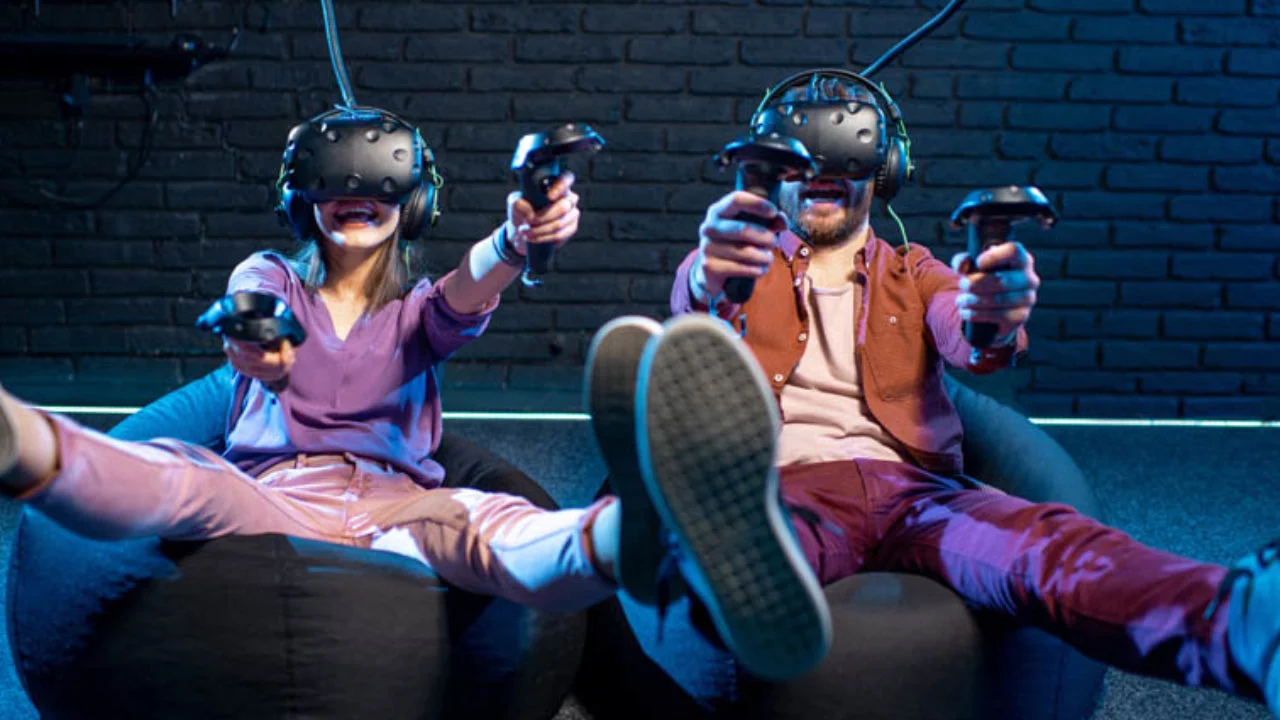
Metaverse gaming in 2026 is best understood as play inside shared, evolving digital worlds—not as a mandatory move from consoles and PCs into virtual-reality headsets. Players enter with avatars, meet other people in real time, explore multiple experiences and, on some platforms, build or publish experiences of their own.
The important shift is practical: the category has developed around accessible gaming-and-creation platforms rather than one universal virtual universe. A headset can increase immersion, but ordinary phones, consoles and computers remain common entry points; a cryptocurrency wallet is relevant only when a particular world uses blockchain assets.
What metaverse gaming actually means
There is no single product called “the metaverse.” The term describes an ecosystem of virtual worlds, and even institutional definitions leave room for different technologies and uses. The ITU’s approved definition describes the metaverse as an integrated ecosystem of virtual worlds that provides immersive experiences and creates economic, social, cultural or environmental value.
Gaming in that ecosystem is the playable layer. It combines familiar game mechanics—objectives, competition, exploration, collecting and construction—with social presence and a world that can continue changing between sessions. The result may look like a racing game, survival challenge, concert venue, digital shop or collaborative building space, all reached through the same platform and identity.
Not every online multiplayer game is therefore a metaverse game. A conventional match that starts, ends and resets can be social without functioning as a broader virtual world. The label becomes more useful when a platform connects several experiences, persistent identities, social tools, creator-made content and some form of continuing digital environment.
The features that distinguish it from a conventional game
No checklist is universally binding, but metaverse-style gaming usually combines several of the following characteristics:
- Shared presence: players occupy the same environment and can communicate or act together in real time.
- A continuing identity: an avatar, profile, friends list or inventory follows the player across sessions and sometimes across different experiences on the platform.
- User creation: players or independent developers can construct spaces, games, objects or rules for others to use.
- Multiple activities: the environment is not limited to one competitive loop; it can support play, social gatherings, performance, shopping or creation.
- A platform economy: some worlds sell avatar items, access or gameplay enhancements and may compensate eligible creators.
Persistence does not mean that every building, match result or object must exist forever. It means the platform, identity and surrounding social world continue when an individual player logs out. Likewise, interoperability—the ability to carry an identity or item between unrelated platforms—remains an ambition rather than a normal feature of today’s market.
Roblox and Fortnite show what the category looks like now
Roblox illustrates the platform model particularly clearly. The company’s current description of Roblox calls it an immersive gaming and creation platform: its community plays varied interactive experiences, communicates through text or voice, uses customizable avatars and can spend Robux on certain features or avatar items. Those combined systems—not any requirement to wear a headset—are why Roblox is commonly discussed in the metaverse-gaming context.
Fortnite has also expanded beyond a single battle-royale match structure. Fortnite Creative lets users build and save island experiences, control gameplay with devices and invite other players into what they create. This platform-like layer is the metaverse-relevant part of Fortnite; calling every Fortnite match “the metaverse” would blur the useful distinction between a specific game mode and the wider creation ecosystem.
These examples also show why “metaverse game” is not a formal genre like a platformer or strategy game. One platform can contain racing, role-playing, survival, social and simulation experiences at the same time. The metaverse label describes how the environment, creators and players are connected, not the moment-to-moment rules of every experience inside it.
What equipment you really need
Start with the requirements of the specific platform, not a generic metaverse shopping list. Most beginners need a supported device, an account, enough storage and a stable internet connection. Headphones or a microphone can help with social play, subject to the platform’s age, privacy and communication settings.
A high-end gaming computer is not a universal requirement. Epic’s current Fortnite Creative documentation lists play-and-create support across Nintendo Switch, Xbox, PlayStation, Android, iOS and PC; its minimum PC specification includes 8 GB of RAM and integrated Intel HD 4000 graphics or AMD Radeon Vega 8. The more advanced Unreal Editor for Fortnite is a separate PC-only creation tool with higher requirements, which demonstrates the difference between entering a world and developing sophisticated content for it.
VR is similarly optional unless a chosen experience explicitly requires it. A headset changes how movement, scale and presence feel, but it does not define the entire category. Blockchain is also optional: platform currencies and conventional account-based inventories can support digital purchases without NFTs, cryptocurrency or an external wallet.
How a beginner should choose a first platform
Choose according to the activity you want, the hardware you already own and the people you plan to join. A creator-focused platform makes sense if building is the attraction; a socially active world may be better if meeting friends matters most. Check the experience’s age rating, communication controls, supported devices and purchase model before installing it.
- Pick one established platform available on your current phone, console or computer.
- Create an account with a unique password and enable the security options it provides.
- Review privacy, voice-chat and spending controls before joining public spaces.
- Begin with a free experience and learn its movement, reporting and blocking tools.
- Buy currency or digital items only after confirming the price, platform rules and whether the item works outside that specific experience.
The last point matters because digital ownership is often narrower than newcomers expect. An outfit, currency balance or constructed space may be usable only under one company’s rules. Paying for an item does not automatically make it transferable to another game, and “metaverse” should not be read as a promise that every virtual world connects to every other one.
The useful definition to keep
For a newcomer, metaverse gaming means playing and socializing in a connected virtual environment that can host multiple activities and evolve through developer or community contributions. Its defining qualities are shared presence, continuing identity and creation—not a particular headset, token or graphics standard.
That definition also avoids treating the metaverse as either a finished universal world or an entirely future invention. The fully interoperable vision has not arrived, but its gaming components already operate at scale as separate platforms. You can try them with familiar hardware today, while treating VR, advanced creator tools and blockchain systems as optional branches rather than admission requirements.
Also read:
Subscribe to our newsletter
Get the latest Web3, AI, and crypto news delivered straight to your inbox.