
The Best Things about Exercise for your Mental Health
Hello!

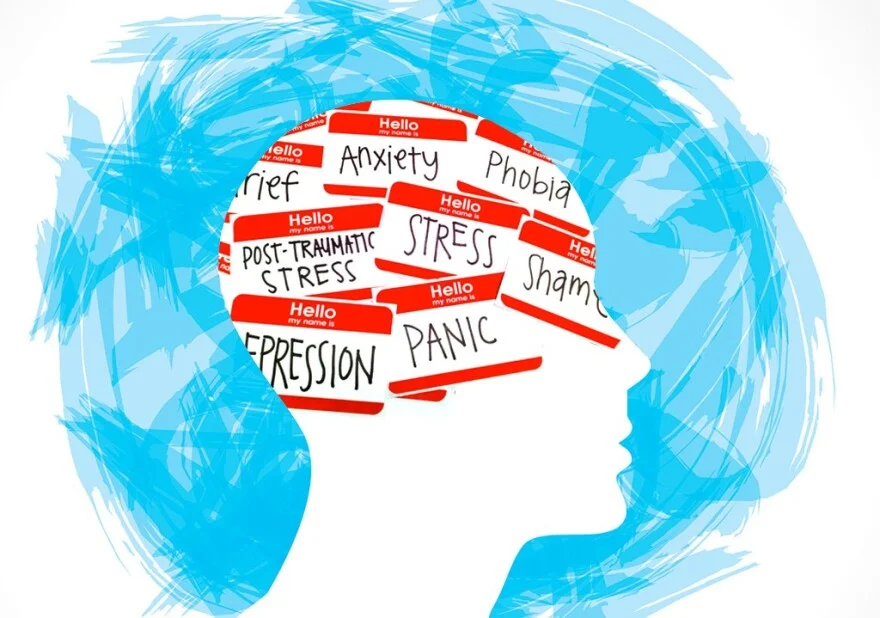
Those who exercise regularly often report a powerful sense of overall well-being. They feel more energetic throughout the day, sleep more soundly at night, enjoy sharper memory, and maintain a more relaxed, optimistic outlook on life. Regular physical activity also serves as an effective tool for managing common mental health challenges.
How Regular Exercise Affects Your Mental Health
Consistent physical activity can positively influence depression, anxiety, stress, ADHD, and other conditions. It reduces tension, enhances memory, improves sleep quality, and elevates mood. Research shows that even modest amounts of exercise deliver meaningful benefits, regardless of age or current fitness level.
Exercise and Depression

Exercise supports brain health by promoting neurogenesis, reducing inflammation, and establishing new neural patterns linked to calm and well-being. It also triggers the release of endorphins—natural chemicals that elevate mood. In addition, physical activity provides a healthy distraction from negative thought cycles that often accompany depression.
Exercise and Anxiety
Exercise functions as a natural and potent anti-anxiety strategy. It lowers stress hormones, increases physical and mental energy, and promotes relaxation through endorphin release.

Exercise and Stress
Stress often manifests physically as muscle tension (especially in the face, neck, and shoulders), headaches, chest tightness, digestive issues, or insomnia. These physical symptoms can intensify mental stress, creating a self-reinforcing cycle.
Breaking the Stress Cycle with Movement

Regular exercise is one of the simplest and most effective ways to reduce ADHD symptoms while improving focus, motivation, memory, and mood. It rapidly elevates brain levels of dopamine, norepinephrine, and serotonin—neurotransmitters that support attention and concentration—producing effects similar to medications such as Ritalin or Adderall.
Activities involving cross-lateral movements that engage both arms and legs—such as walking, running, swimming, weight training, or dancing—are especially beneficial. By paying close attention to physical sensations in your muscles, joints, and breathing, you help regulate the nervous system and reduce stress reactivity.
Also read:
- 8 Ways to Make Your Takeout Menu Successful
- How to Create The Perfect Employment Contract
- EdTech Helps Teacher Reach Students Across the World
Additional Mental and Cognitive Benefits of Exercise

Regular activity represents an investment in mind, body, and self-esteem. Meeting even small exercise goals fosters a sense of accomplishment and personal strength, while improved physical appearance further boosts confidence.
Better Sleep Through Movement
Even brief sessions of exercise in the morning or afternoon help regulate sleep patterns. If evening workouts are preferred, calming practices such as yoga or gentle stretching can prepare the body for restful sleep.
Increased Daily Energy

When facing emotional or mental challenges, exercise offers a healthy outlet, reducing reliance on less constructive coping mechanisms. Consistent activity also strengthens the immune system and buffers the physiological impact of stress.
Thank you!
Join us on social networks!
See you!
Subscribe to our newsletter
Get the latest Web3, AI, and crypto news delivered straight to your inbox.