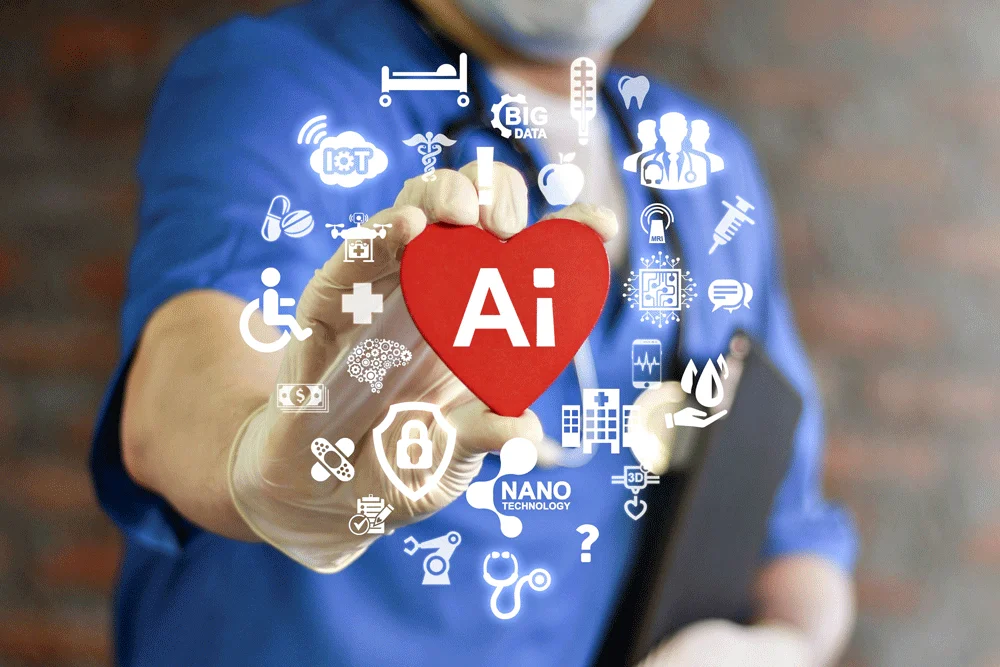
Today, computers and smartphones are an integral part of everyday life, while the healthcare sector continues to grow rapidly across all areas. The integration of the Internet of Things (IoT), artificial intelligence, and cybersecurity not only streamlines processes and improves quality of life but also equips physicians and medical staff with powerful tools that enhance safety and efficiency in their work.
Here are the key ways these technologies are transforming daily healthcare:
Minimizing Waiting Times
Long waiting times remain a common challenge in hospitals. AI technologies now help clinicians quickly assess patient conditions and prioritize those with the most urgent needs, significantly reducing delays. As of 2026, these systems have become even more precise, enabling faster triage and smoother patient flow.
Making Data Collection a Simpler Task
One of the most valuable contributions of AI in healthcare is its ability to simplify data collection and storage. Previously, physicians had to manually compile individual clinical histories during consultations. Today, medical records are securely stored in digital systems that authorized physicians can access instantly, regardless of location.
Protecting Personal Information
Cybersecurity plays a vital role in healthcare by safeguarding sensitive patient data stored in online databases. Medical confidentiality is paramount, and robust cyber protection ensures this standard is consistently maintained. Many individuals worldwide manage silent or stigmatized conditions; secure digital systems help them receive care without compromising privacy.
Better Chances of Proper Diagnoses
Digital records eliminate the risk of patients omitting critical details. Physicians can now retrieve complete medical histories in seconds, identify patterns, and reach accurate diagnoses more reliably. This reduces medical errors, lowers associated costs, and leads to more appropriate treatments tailored to each patient’s needs.
Portable and Wearable Healthcare Devices
Patients with diabetes or heart conditions previously had to perform frequent manual measurements. By 2026, wearable devices have become standard, continuously monitoring glucose levels, heart rate, and other vital signs while automatically administering precise medication doses when needed. Advanced cybersecurity protocols protect these devices from interference, ensuring safe and uninterrupted operation.
IoT, artificial intelligence, and cybersecurity work together to help physicians deliver care with greater simplicity and accuracy. These technologies also create a smoother, less stressful experience for patients. As advancements continue, healthcare is becoming more accessible, reliable, and patient-centered worldwide.
Thank you!
Join us on social networks!
See you!
Share:
Subscribe to our newsletter
Get the latest Web3, AI, and crypto news delivered straight to your inbox.