These 5 Careers Could Be the Future of Healthcare
Hello!
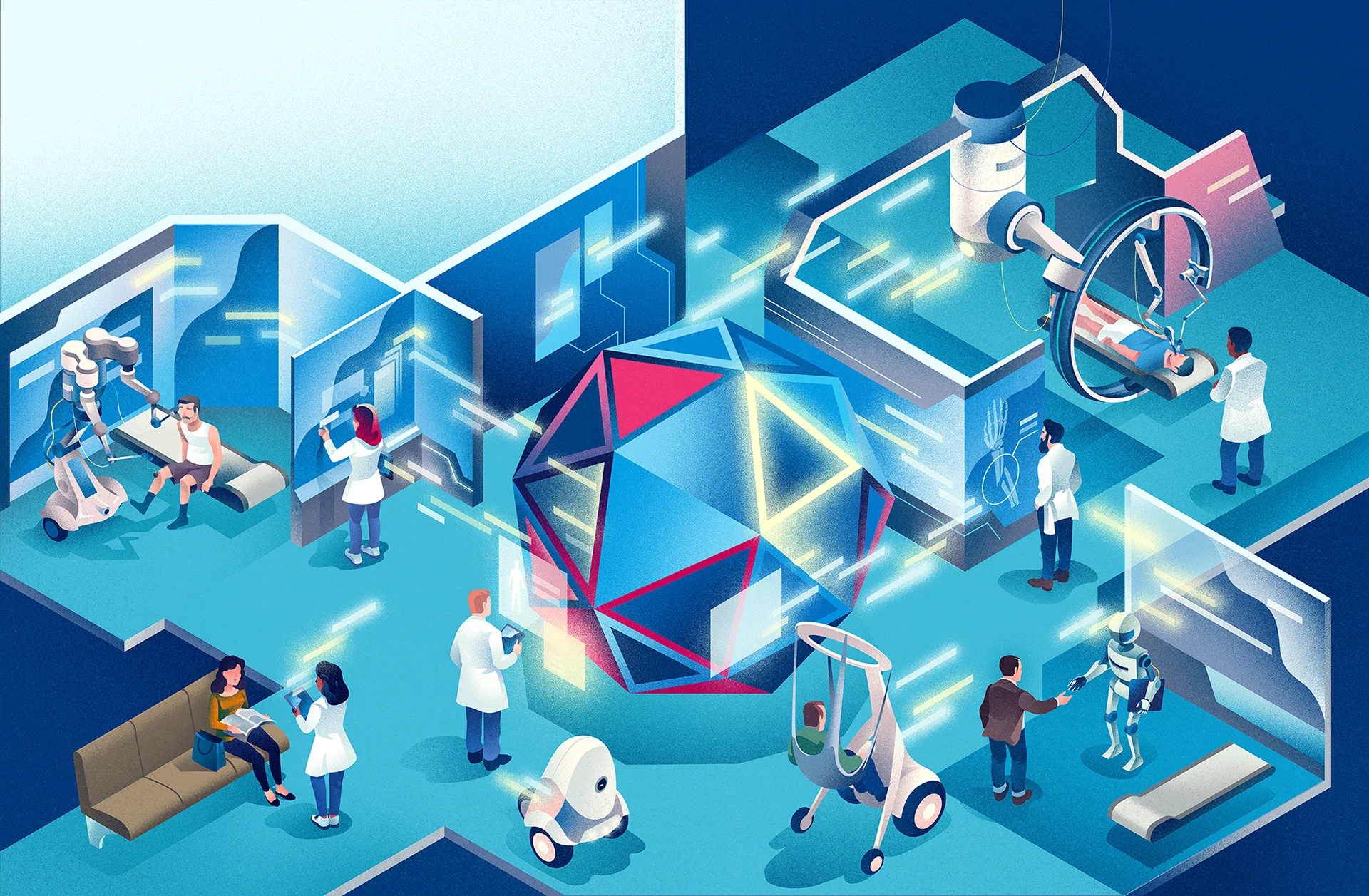
Healthcare once brought to mind disciplines like anatomy, biology, and pharmaceutical medicine. Today the field looks entirely different, with artificial intelligence, genomics, and big data shaping every conversation. Technology is transforming healthcare and opening doors to exciting new career paths.

These 5 Careers Could Be the Future of Healthcare
Personalized Medicine
Historically, medicines were not developed with the individual in mind. A majority of trial participants had to respond positively before a doctor would prescribe the drug, hoping it would help other patients as well.
Advances in understanding the human genome now make it possible to design targeted therapies based on a person’s unique genetic profile. Precision medicine is a rapidly growing field that requires diverse expertise. Bioinformaticians analyze genomic data, while genetic counselors help individuals interpret their genetic background and make informed decisions. Researchers and scientists drive applications in both academia and industry. Personalized medicine is already improving outcomes in many diseases, including various types of cancer.
Imaging-Based Screening
Medical professionals often combine multiple skill sets, and new roles are emerging at the intersection of different disciplines. Imaging plays a central role in diagnosing and treating disease, yet radiologists have traditionally had limited involvement in broader screening decisions.
Many experts now advocate for “viewing radiologists,” a sub-specialty that blends deep knowledge of imaging science with screening expertise. This hybrid role allows radiologists to contribute their technical insights directly to screening programs and improve patient care.
Health Data Science

Health data scientists are in growing demand. Their work involves locating, extracting, and analyzing sensitive information responsibly, turning fragmented data into actionable insights that improve clinical and operational outcomes.
AI and Machine Learning
Artificial intelligence (AI) and machine learning techniques unlock powerful new ways to work with data. In pharmaceutical research, machine learning accelerates drug discovery by automating time-consuming processes. In radiology, AI tools automatically analyze images, streamline workflows, and help prioritize patients who need urgent attention.
Machine-learning engineers and researchers develop and deploy algorithms for these new healthcare applications. Cloud-technology specialists are equally important, as scalable cloud platforms underpin most AI and machine-learning solutions. This remains one of the most dynamic and rewarding areas for professionals entering the field in 2026.
Virtual Reality and Robotics

These areas create opportunities for VR and robotics designers and engineers who want to apply their skills to improving quality of life. Medical professionals with interdisciplinary backgrounds can also launch specialized VR-training ventures based on their clinical experience.
Also read:
- How Courier Services can Benefit You
- 5 Best Tips For a DOGE To BTC Converter
- Are Braces or Invisalign a Good Solution for TMJ Disorder?
Collaborating and Crossing Disciplines

Whatever your background and interests, the healthcare industry offers abundant opportunities at the intersection of science, medicine, and engineering in 2026 and beyond.
Thank you!
Join us on social networks!
See you!
Subscribe to our newsletter
Get the latest Web3, AI, and crypto news delivered straight to your inbox.